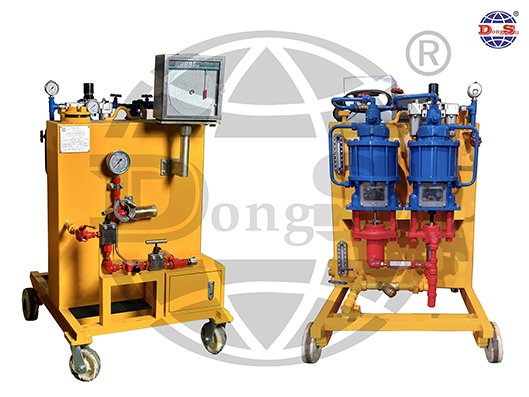
High pressure test units play an essential role in ensuring the safety and reliability of equipment used in oil and gas operations. Whether testing blowout preventers, wellhead assemblies, valves, or tubing connections, these units confirm that critical components can withstand the extreme pressures they may encounter downhole. As safety requirements continue to increase, choosing the right high pressure test unit becomes more important for operators, service companies, and maintenance workshops. To help you make informed decisions, this article outlines the key features you should look for when selecting reliable pressure testing equipment.
Before evaluating the features, it is helpful to understand why high pressure test units are vital. These systems are designed to generate controlled, high-pressure outputs to verify the integrity of well control equipment. By simulating real working pressures, they help identify weaknesses, leaks, or potential failures before equipment is deployed in the field. As a result, high pressure test units directly support well control safety, regulatory compliance, and operational efficiency.
With this foundation in mind, we can now explore the essential features that define a dependable test system.
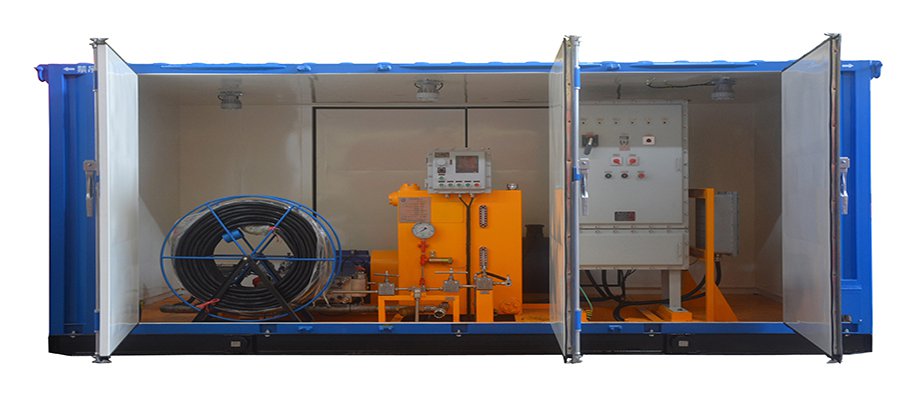
A reliable high pressure test unit must deliver accurate and stable test pressure. Consistent pressure control allows operators to verify equipment performance under realistic operating conditions. Both manual and automatic pressure regulation systems are used across the industry, but the key requirement remains the same—tests must follow a stable pressure curve to ensure reliable results. For BOPs and valves, even small deviations can affect test accuracy, making precision control one of the most important features to consider.
Moving to the power source of the test unit, the pump system must be able to maintain reliable output under continuous operation. Units may use air-driven, electric-driven, or hydraulic pumps depending on the application. Regardless of the type, the pump should be made with durable materials and engineered to handle harsh oilfield environments. A strong pump system reduces downtime, improves safety, and extends the service life of the entire test unit, making it an essential feature for long-term use.
In addition to pressure control, measurement accuracy is another key element of reliable testing. High-quality gauges or digital sensors allow operators to monitor pressure changes in real time. The measuring instruments should also remain stable over long test cycles and be easy to calibrate. Because test records are often part of regulatory documentation, accuracy plays an important role in meeting industry standards and ensuring the validity of test results.
Safety is always a priority during pressure testing. A dependable high pressure test unit should include built-in protection mechanisms such as over-pressure shutdown systems, relief valves, and automatic emergency stop functions. Such features allow operators to immediately isolate the system if abnormalities occur, reducing the risk of equipment damage or personal injury. A well-designed safety system supports safe operations and helps companies comply with industry regulations.
As digitalization grows across the oil and gas industry, advanced data acquisition has become a standard requirement for modern pressure testing equipment. A good system should include automatic data recording, test curve generation, and digital reporting functions. These features make it easier to prove compliance with API specifications and streamline internal quality control processes. Digital test records also support better traceability, which is increasingly required by operators.
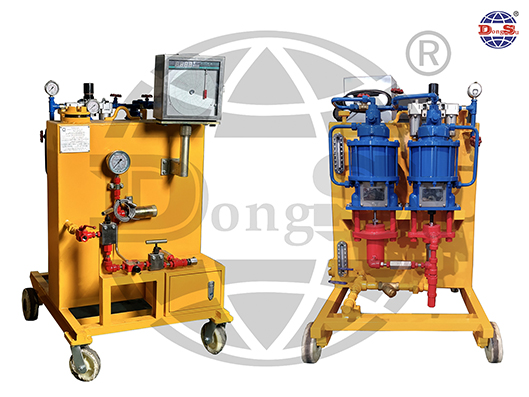
A reliable high pressure test unit should be versatile enough to support a range of applications. This includes testing blowout preventers, manifolds, valves, spools, hoses, connectors, and other well control components. Multi-pressure capability and flexible configuration options ensure the unit can adapt to different requirements in both field operations and workshop environments. This versatility improves productivity and reduces the need for multiple testing systems.
Usability is another major factor when selecting a high pressure test unit. Clear controls, intuitive layouts, and simplified operating steps help reduce training time and minimize human errors. Advanced systems may also offer remote operation, allowing technicians to control the unit from a safer distance. A user-friendly design supports smooth workflows and improves overall operational efficiency.
Depending on the working environment, different configurations may be required. Some operators need a skid-mounted test unit for workshop use, while others prefer containerized or portable units for offshore drilling platforms. A reliable manufacturer should provide flexible options that suit various site conditions. Easy transport, quick setup, and compact designs can significantly improve field efficiency.
Beyond physical features, compliance with API, ISO, and relevant safety standards is essential. Certified high pressure test units help ensure reliable performance and meet the strict requirements of well control testing. Certification also demonstrates that the equipment has undergone rigorous inspection and meets industry expectations for safety and quality.
Lastly, maintenance-friendly design is critical for keeping the test unit in good working condition. Components should be easy to inspect, replace, and service. Clear system layouts allow technicians to perform checks quickly, reducing downtime and helping ensure continuous operation. Accessible maintenance directly contributes to long-term cost savings.
Choosing a reliable high pressure test unit is essential for maintaining the safety and integrity of well control equipment. By focusing on precision control, robust pump systems, accurate measurement tools, integrated safety features, digital recording capabilities, and industry-standard compliance, operators can ensure dependable testing performance across various oilfield applications. A well-selected unit not only supports safe drilling operations but also enhances efficiency and reduces long-term maintenance costs.
Looking for a trusted partner in high pressure testing solutions?
Dongsu supplies advanced, reliable, and field-proven high pressure test units designed for modern well control requirements. Contact Dongsu today to explore custom test systems built for safety, accuracy, and long-term performance.
By continuing to use the site you agree to our privacy policy Terms and Conditions.