In oil and gas drilling, maintaining well pressure control is essential for keeping operations safe, stable, and efficient. As drilling environments grow more complex and wells reach deeper formations, the risk of pressure imbalance increases. These imbalances can lead to gas kicks, equipment failure, or even catastrophic blowouts. Therefore, understanding how oil well pressure control works—and the equipment behind it—is necessary for teams seeking consistent and safe performance in the field.
To begin with, pressure control serves as the foundation of well safety. In a typical drilling operation, various formation pressures exist beneath the surface, and these pressures change as drilling progresses. If the wellbore pressure falls below formation pressure, fluids such as gas, oil, or brine may enter the wellbore uncontrollably. This influx, known as a kick, is the earliest sign of potential danger. When kicks are not managed correctly, they can escalate into blowouts—sudden, high-pressure releases that threaten personnel, equipment, and the environment.
Because of these risks, effective oil well pressure control is vital. It not only prevents uncontrolled flow but also protects downhole equipment, avoids formation damage, and helps maintain operational stability. With a reliable well control strategy, drilling teams can maximize productivity while minimizing hazards.
Moving into the fundamentals, oil well pressure control refers to the continuous monitoring and adjustment of pressure inside the wellbore to maintain balance between the drilling fluid column and formation pressures. This balance prevents formation fluids from entering the well unexpectedly.
Several conditions influence downhole pressure—including rock properties, drilling practices, and drilling fluid density. When the balance is disrupted, the well may behave unpredictably. To avoid loss of control, operators rely on pressure control systems designed to detect fluctuations early, stabilizing pressure before risky situations develop.
Establishing and maintaining pressure balance is therefore a constant task that must be supported by high-performing equipment and well-trained personnel.
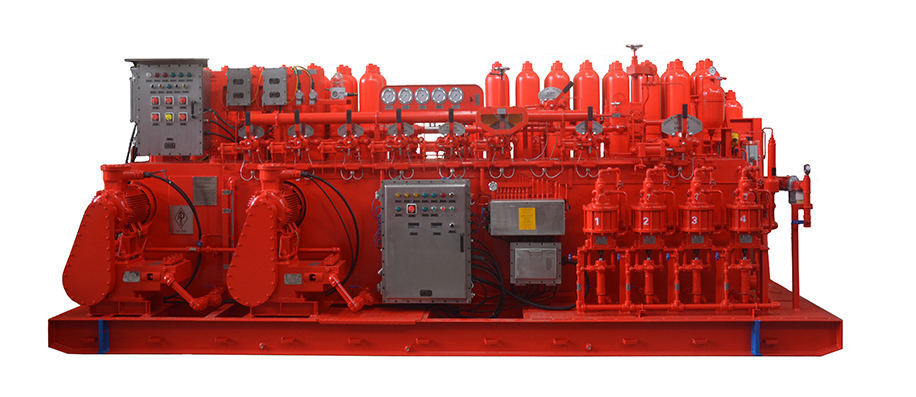
Because drilling conditions vary, pressure control relies on several key methods. Each one plays a specific role in preventing kicks and maintaining safe operating conditions.
First, drilling fluid (mud) plays the most fundamental role in pressure management. By adjusting mud density, operators establish the hydrostatic pressure needed to counter formation pressure. A mud system with the right density helps:
Proper drilling fluid management allows teams to maintain a safe pressure margin while drilling.
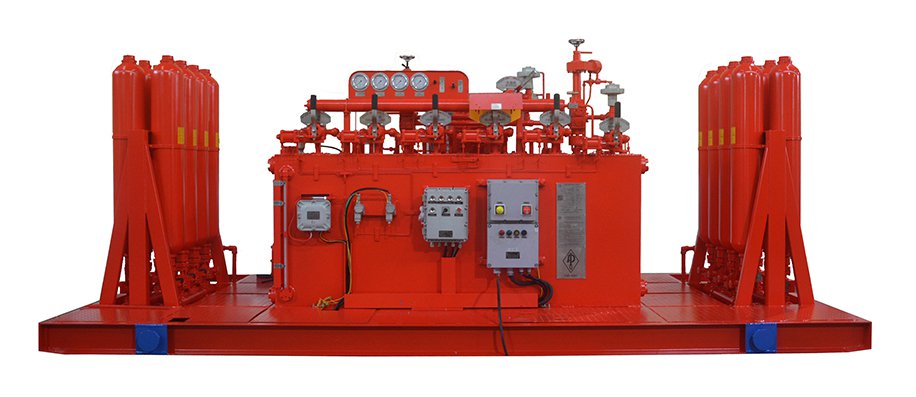
Next, the Blowout Preventer (BOP) system acts as the final safety barrier. Installed on the wellhead, a BOP system can quickly close off the wellbore if unexpected pressure rises occur. It includes components such as annular preventers and ram preventers that seal the well during emergencies.
A well-functioning BOP is essential during high-pressure events and is considered the most critical element of well control equipment.
Additionally, choke manifolds and choke valves provide precise control over the well’s outlet pressure. By adjusting choke openings, operators manage wellbore pressure during situations like gas kicks or during the pressure circulation phase. This system is crucial for maintaining stability during well control operations.
For more demanding formations, Managed Pressure Drilling (MPD) offers a more advanced approach. Using real-time sensors and automated pressure control systems, MPD allows continuous adjustment of downhole pressure. It is useful when drilling through formations with narrow pressure windows or highly variable conditions.
A successful pressure control system depends not only on methods but also on reliable equipment. Each component supports critical safety functions.
The BOP is the primary well control device. Whether annular or ram style, each preventer in the stack is designed to close securely around pipe—or cut and seal it if needed. Its sealing force and reaction time are key factors in preventing uncontrolled flow.
The choke manifold controls wellhead pressure by regulating fluid flow. Operators adjust the choke to keep downhole pressure within safe limits, especially during kick handling and well circulation processes.
High-pressure mud pumps and fluid conditioning systems allow continuous and stable circulation of drilling fluid. By maintaining mud density and viscosity, the system prevents formation fluids from entering the wellbore.
Modern well control relies on real-time monitoring. Pressure, flow, and temperature sensors feed data to control panels, allowing quick decisions during normal operations or emergencies. Remote operation enhances safety by keeping personnel away from wellhead risks.
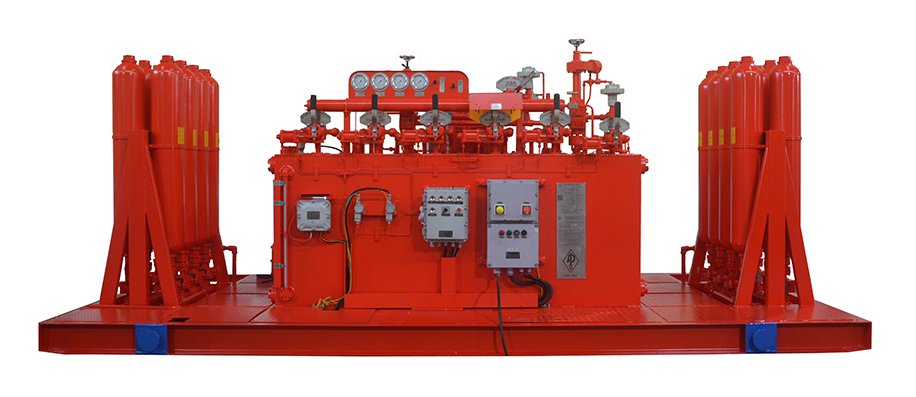
Despite advanced technology, pressure control still faces many challenges in today’s drilling environments.
Deeper wells often experience extreme temperatures and pressures. Equipment must withstand these conditions without failure, requiring advanced materials and structural strength.
Irregular formations—such as fractured zones or salt layers—can trigger sudden pressure changes. Operators must adjust pressure rapidly to keep the well stable.
Gas kicks can expand quickly due to gas compressibility. Without rapid detection and control, they may lead to severe well control incidents.
Drilling in remote locations presents challenges related to data transmission and staffing. Automated control systems and reliable sensors are especially important under such conditions.
Ultimately, the quality of well control equipment directly affects operational safety. Strong structures, accurate monitoring, fast response capability, and durable control systems help prevent blowouts and improve drilling efficiency. By investing in reliable pressure control systems, operators reduce downtime, protect personnel, and protect the environment.
Oil well pressure control is a continuous and essential part of safe drilling operations. From drilling fluid density management to modern BOP systems and choke manifolds, each element contributes to the overall stability of the well. With accurate monitoring, strong equipment, and trained personnel, operators can maintain pressure balance even in challenging environments.
For dependable well control performance, Dongsu offers high-quality solutions designed to support safe, efficient, and reliable drilling operations. As a trusted BOP control system supplier, Dongsu provides durable equipment, professional support, and integrated pressure control solutions tailored to your needs.
By continuing to use the site you agree to our privacy policy Terms and Conditions.