In oil and gas drilling, maintaining the safety and reliability of well control equipment is a top priority. This is why high pressure test units play an essential role in daily operations. Before critical equipment is placed into service, pressure testing verifies whether it can withstand demanding field conditions. By starting with this foundation, operators can prevent failures, avoid downtime, and ensure compliance with safety standards.
To begin, high pressure test units are specialized systems designed to test the strength and integrity of BOPs, valves, manifolds, wellheads, and other high-pressure components. They simulate real working conditions by pressurizing equipment to defined levels and monitoring how it responds. Through this controlled process, operators can determine whether a component is safe to use in the wellbore.
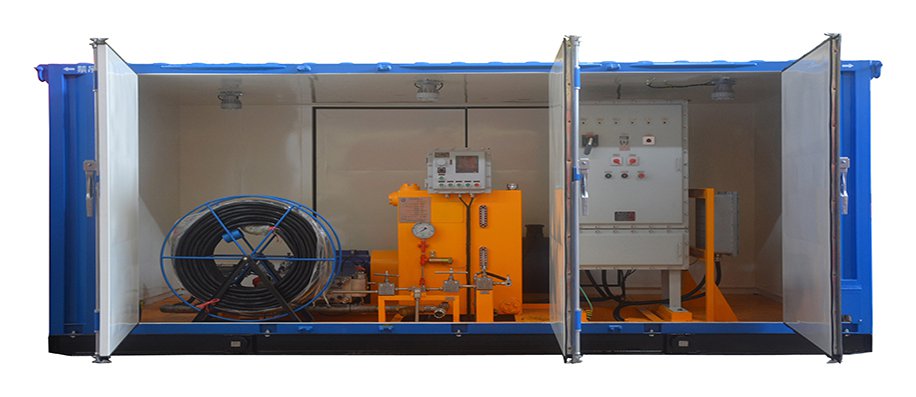
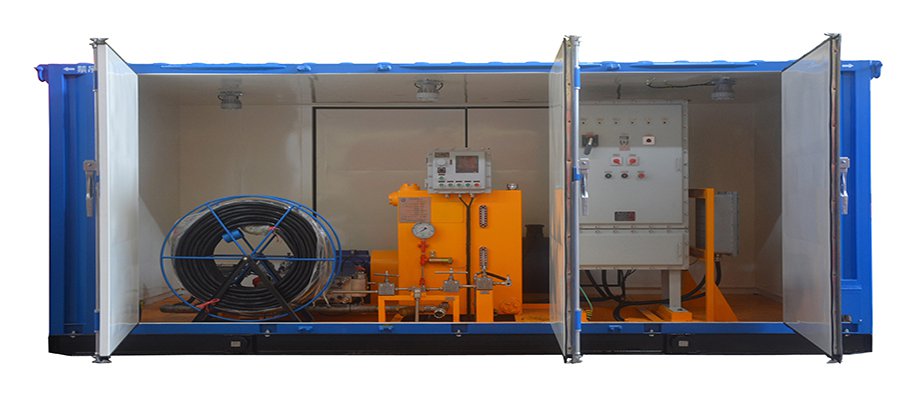
These units typically include several core components. Most systems feature a high-pressure pump that generates the required test pressure, a control panel for managing operations, and pressure gauges or digital sensors for accurate readings. In many designs, they also include a data acquisition system for recording pressure curves, as well as a protective test chamber or area to isolate personnel from potential hazards. Some units are fixed installations, while others are portable or containerized for field mobility.
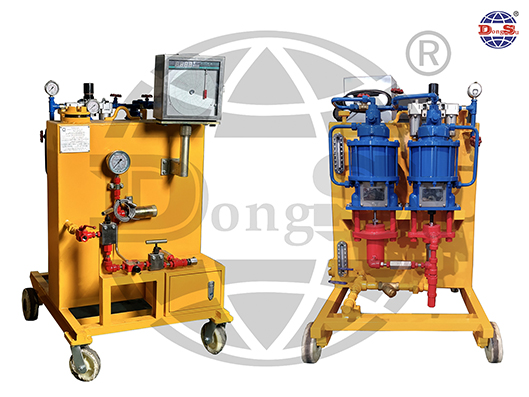
As operations continue, high pressure test units support several essential functions. The most important is pressure testing, which checks the maximum pressure a component can safely handle. In addition, these units are used for seal verification, ensuring that ram preventers, valves, or connectors do not leak under load. Many operators also rely on the equipment for pressure cycling tests, which simulate repeated pressure fluctuations that occur during real drilling operations.
Another key function is hydraulic system evaluation. This ensures that the equipment’s control mechanisms, such as BOP actuators or valve controls, can perform reliably when subjected to high-pressure conditions. Through these tests, operators gain confidence that the entire well control system can operate safely.
Moving deeper into their importance, high pressure test units significantly reduce the risk of equipment failure. When devices are exposed to high pressure without testing, weaknesses can go unnoticed until they cause severe incidents. Pressure testing identifies worn seals, fatigue cracks, and sealing failures before they escalate.
Additionally, these units help protect both personnel and assets. By isolating the test process, they minimize the danger associated with pressure bursts or sudden equipment failure. This is especially valuable in environments where blowout preventers and well control equipment are critical to protecting workers.
Compliance is another important factor. Industry standards such as API and ISO require regular BOP pressure testing and seal verification. High pressure test units help organizations meet these requirements and maintain strong audit records.
Finally, testing reduces operational downtime. Detecting issues early avoids unexpected failures during drilling, which can cause costly delays or safety hazards.
In daily operations, a wide range of equipment undergoes pressure testing. Blowout preventers (BOPs) are among the most important components, as they form the backbone of well control during drilling. Other frequently tested items include choke and kill manifolds, all types of valves, wellhead assemblies, tubing and casing connectors, and high-pressure hoses.
Because each of these components experiences extreme stress during drilling, regular pressure testing ensures that they continue to meet safety requirements.
As technology advances, modern high pressure test units bring new levels of accuracy and safety. For example, many systems now use automated pressure control, which reduces human error and provides more stable test curves. Real-time data logging allows operators to track pressure levels, temperature, and seal performance throughout the test.
Remote operation is also increasingly important, especially at offshore platforms or remote land sites. This capability allows technicians to run tests from a safe distance, improving worker safety. At the same time, modular and containerized designs make deployment faster and more flexible.
Safety interlocks and over-pressure protections are included to prevent accidental misuse or system overload. Finally, advanced units are designed to comply with API standards to ensure reliability and consistency.
To maintain safe operations, following best practices is essential. Testing should always be carried out in an isolated area with appropriate safety barriers. Operators must follow the correct procedures based on API Spec 16A, API RP 53, and other relevant standards.
Before any test begins, visual inspections should be performed to identify damage or abnormal wear. Only calibrated gauges and certified fittings should be used to maintain accuracy. Emergency shutdown procedures must also be ready in case of a malfunction.
Most importantly, highly trained and qualified personnel should conduct the tests. Proper training ensures correct parameter settings and accurate interpretation of test results.
Although testing is essential, it also comes with challenges. High-pressure environments pose inherent risks that demand strict safety controls. Aging equipment may fail unexpectedly during testing, requiring immediate replacement. In some cases, limited space on offshore platforms makes setting up test units more complex.
At the same time, maintaining accurate data records can be difficult without digital monitoring tools. For operators managing many wells, achieving the right balance between testing efficiency and safety is an ongoing challenge.
Despite these challenges, modern high pressure test units greatly improve efficiency. Their automated systems reduce testing time and manpower. High-precision sensors provide accurate and consistent data, while digital reporting simplifies regulatory documentation. These units also support multi-scenario use, including land rigs, offshore platforms, and workshop facilities.
In summary, high pressure test units are a fundamental part of maintaining safety, reliability, and efficiency in oil and gas well operations. By confirming equipment integrity before deployment, they reduce risk, support compliance, and ensure that well control systems perform under demanding conditions. As drilling continues to evolve, advanced testing technologies will remain essential for protecting both personnel and infrastructure.
If you are looking for reliable BOP testing solutions or customized high pressure test systems, Dongsu is ready to support your operations.
As a professional high pressure test units supplier, Dongsu delivers advanced testing technologies, precise hydraulic solutions, and dependable service for demanding oil and gas environments.
Contact us to enhance the safety and performance of your well control operations.
By continuing to use the site you agree to our privacy policy Terms and Conditions.