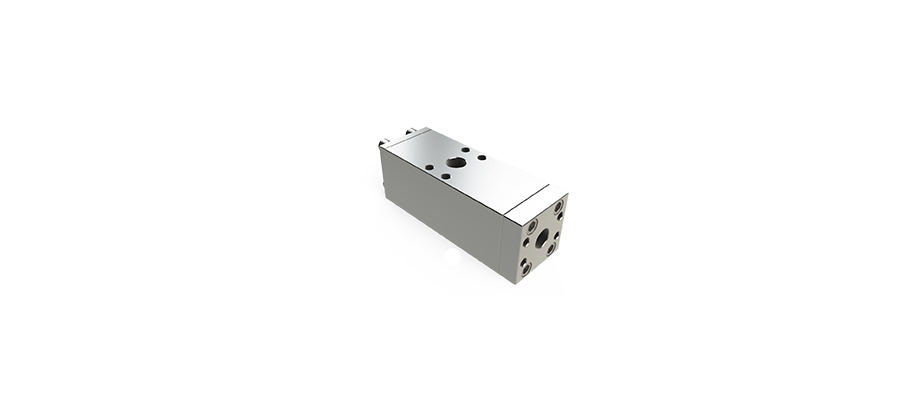
Reliable fluid control is essential in oilfield hydraulic systems, where multiple components must work together under demanding operating conditions.
The choice of a hydraulic check valve affects how fluid moves through the circuit and how individual components respond when operating conditions change.
Understanding the valve's operating design and application requirements helps engineers make a more suitable choice for drilling and well control equipment.
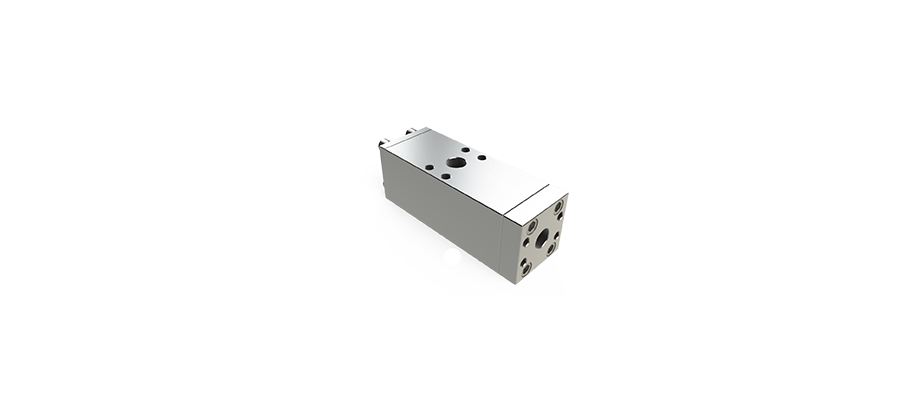
A hydraulic check valve is a directional fluid control valve designed to allow hydraulic fluid flow in a designated direction while preventing reverse flow.
System pressure on the inlet side moves the internal valve element, such as a poppet or disc, away from its seat to permit fluid movement through the output port.
When the flow direction reverses or pressure drops, the valve element closes and prevents fluid from flowing back into the system.
A hydraulic control check valve can be equipped with a pilot control oil port for controlled operation. When the control port has no pressure, the inlet pressure is cut off.
When the pilot control port is connected to pressurized oil, an internal push rod pushes the check valve core open, allowing hydraulic fluid to move from the inlet port to the output port.
For applications requiring this operating principle, the Hydraulic Check Valve is designed for oilfield drilling systems and industrial hydraulic circuits. The product is also used in applications involving BOP control systems, hydraulic pipelines, and pressure control units.
Preventing reverse fluid movement is a primary function of a hydraulic check valve. When the flow direction changes, the valve closes to prevent fluid from returning through the hydraulic circuit. This helps protect pumps, actuators, and other control components from unwanted fluid movement.
BOP control systems are used with surface mounted BOP stacks to control BOPs, hydraulic chokes, kill systems, and diverter equipment during petroleum drilling and workover operations.
Within a surface mounted BOP Control System, hydraulic check valves can work alongside hydraulic pumps, accumulators, and control valves to support the intended direction of hydraulic fluid flow. The BOP control system itself includes hydraulic pumps, accumulators, and control valves as key hydraulic components.
Hydraulic check valves can also be installed in hydraulic pipelines where reverse flow needs to be prevented. Their directional function helps maintain the intended flow path between connected hydraulic components.
This application is particularly relevant to oilfield drilling systems, where pumps, actuators, and control components depend on controlled hydraulic fluid movement.
Hydraulic check valves are also used in pressure control units to help prevent unwanted fluid backflow. Maintaining the intended flow direction can support stable operation when hydraulic fluid moves between different components within an oilfield control circuit.
The selected valve should be suitable for the working pressure of the hydraulic system. The hydraulic check valve is designed for reliable operation under high pressure conditions, making pressure compatibility an important consideration during valve selection.
The working pressure of the complete hydraulic circuit should also be considered together with the requirements of the connected equipment.
Engineers should verify the inlet and output ports before installation and ensure that the valve flow direction matches the hydraulic circuit.
Correct flow direction allows the valve to permit forward flow while preventing unwanted reverse flow through the hydraulic system.
Applications requiring controlled opening of the check valve should consider whether a pilot control oil port is required.
When pressurized oil is supplied through the pilot control port, the internal push rod opens the check valve core and allows hydraulic fluid to move from the inlet port to the output port. This operating principle should be considered when integrating the valve into a hydraulic control circuit.
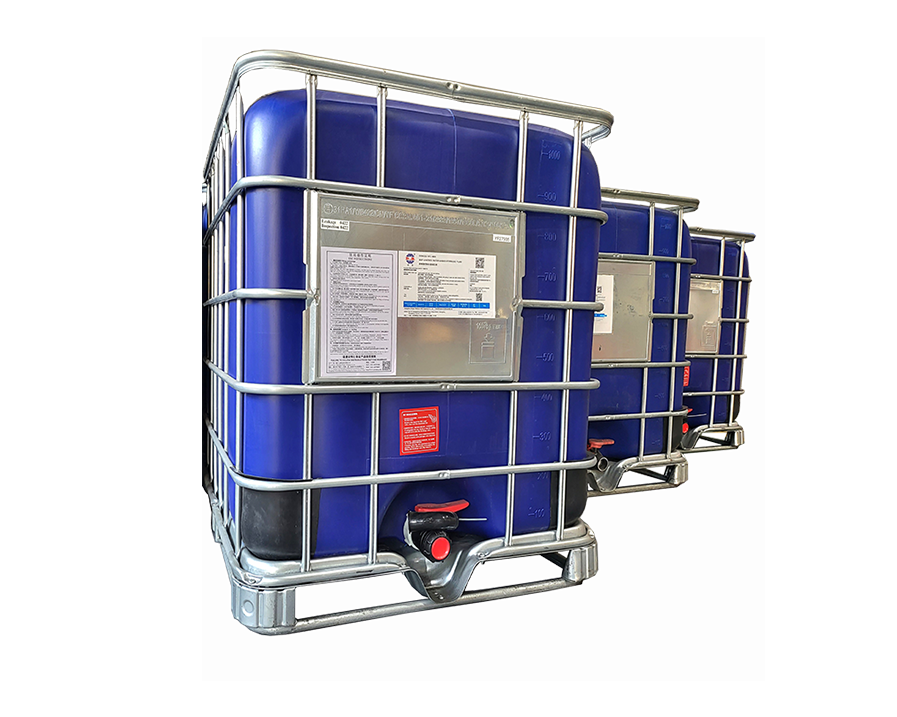
Fluid compatibility is an important consideration when selecting a hydraulic check valve. The BOP & Hydraulic Control Fluid is designed for BOP control systems used on land, offshore jack ups, and drilling platforms, as well as open loop hydraulic systems in deep sea applications.
Its compatibility with materials such as seals, hoses, and gaskets should also be considered when evaluating the complete hydraulic circuit. Matching the hydraulic fluid with the valve and other system components can help support reliable operation.
Hydraulic check valves help prevent unwanted reverse flow within BOP hydraulic circuits. This supports hydraulic pressure management as fluid moves between pumps, accumulators, control valves, and other components.
Hydraulic check valves can help protect pumps, actuators, and control components by preventing fluid from flowing back through the hydraulic circuit. This function is particularly relevant in BOP control systems where reliable hydraulic operation is important.
During emergency well control operations, BOP control systems must respond quickly to control the BOP and protect the wellhead. DONGSU states that its BOP and BOP control systems can quickly plug the wellhead during emergency situations such as kicks and blowouts. Hydraulic check valves can support these hydraulic circuits by maintaining the intended direction of fluid flow.
Before installation, technicians should confirm the inlet and output ports and ensure that the hydraulic flow direction matches the system design. Installing the valve incorrectly can interfere with the intended fluid path and disrupt hydraulic operation.
Hydraulic connections and pilot control lines should be inspected regularly to identify leaks, loose connections, or other conditions that could affect valve operation. The pilot control line should also remain clear so that pressurized hydraulic fluid can reach the pilot control port when required.
Keeping hydraulic fluid clean helps prevent contaminants from interfering with the valve core and seating surfaces. Regular inspection and appropriate filtration can support reliable operation and reduce the risk of valve malfunction in oilfield hydraulic systems.
The main function of a hydraulic check valve is to allow hydraulic fluid to flow in one direction while preventing reverse flow. In pilot controlled models, pressurized fluid applied to the pilot control port drives an internal push rod to open the valve core when controlled flow is required.
Hydraulic check valves are used in oilfield drilling systems, BOP control systems, hydraulic pipelines, and pressure control units. These applications require reliable control of hydraulic fluid direction and prevention of unwanted backflow.
Key considerations include the working pressure of the hydraulic system, required flow direction, pilot control requirements, and compatibility between the hydraulic fluid and system components.
A properly selected hydraulic check valve helps maintain controlled fluid direction and prevent backflow in oilfield hydraulic systems. The right choice should match the system pressure, flow direction, pilot control requirements, and hydraulic fluid.
When you need to confirm product suitability for a specific BOP or oilfield hydraulic application, contact the DONGSU team for further technical information.
By continuing to use the site you agree to our privacy policy Terms and Conditions.