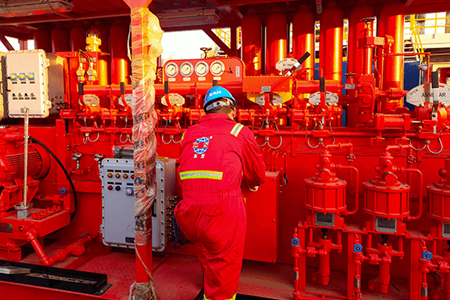
As drilling operations probe deeper into demanding geological formations, maintaining absolute integrity over high pressure well control loops is vital. Equipment operators face mounting pressure to balance strict compliance requirements with maximum operational uptime, yet aging infrastructure and severe downhole conditions frequently challenge day-to-day asset reliability.
Transitioning from reactive breakdown repairs to structured lifecycle management has become an operational necessity for modern drilling contractors. This approach unites regular maintenance protocols, engineering retrofits, and strict certification reviews into a unified framework designed to prevent catastrophic failures and extend asset service life.
Having framed the overarching operational challenges, let us examine the regulatory drivers that dictate modern well control strategies.
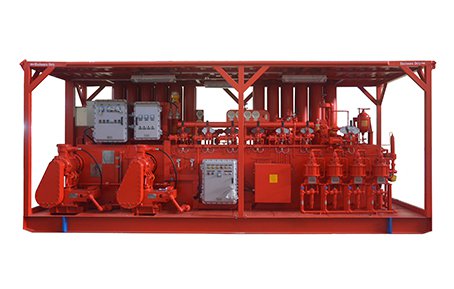
Modern drilling standards mandate rigorous performance criteria for control systems powering blowout preventers. The latest API revisions place heavier emphasis on response times, accumulator volume availability, and fail safe redundancy. Older installations often fall short of these stringent benchmarks, creating regulatory vulnerabilities during third party safety audits.
Closing the safety gap requires more than basic part replacements. Through targeted Technology Upgrade Service, operators can integrate advanced logic controllers and high precision monitoring components into existing infrastructure, bridging the gap between historical hardware and current industry benchmarks.
Having reviewed regulatory compliance pathways, let us evaluate how digital innovations transform routine field inspections.
Modern control architectures utilize real-time data streaming to track operating variables continuously. Operational parameters regarding working pressure, fluid temperature, alarm messages, and valve positions are monitored, recorded, and archived automatically.
By equipping key operational positions with digital monitors and remote transmission modules, asset managers can detect anomalies before they escalate. This data driven approach prevents false reporting, improves reaction metrics, and reduces the need for intrusive physical interventions.
Having explored the mechanics of digital telemetry, let us examine the hidden failure modes that elude conventional maintenance schedules.
Standard maintenance schedules often prescribe uniform check intervals that fail to account for hostile environmental realities. In ultra-deepwater and high pressure high temperature projects, extreme thermal and pressure cycling accelerates elastomer seal degradation, while micro particulate contamination can cause pilot operated valves to stick silently.
Overcoming these hidden failure modes requires condition based maintenance strategies. By combining rigorous fluid cleanliness profiling with frequent telemetry audits, operators can catch sub-surface valve lag and structural fatigue before catastrophic system failure occurs.
| Operating Environment | Primary Failure Driver | Recommended Inspection Focus |
| Ultra Deepwater | Thermal contraction and seawater exposure | Elastomer compound resilience and subsea pod seals |
| HPHT Formations | Severe pressure cycling and fluid breakdown | Valve spool clearance and micro particulate counts |
| Standard Surface | Mechanical wear and atmospheric corrosion | Accumulator pre-charge integrity and pipe fittings |
Having analyzed complex environmental failure mechanisms, let us turn to the formal procedures required for regulatory recertification.
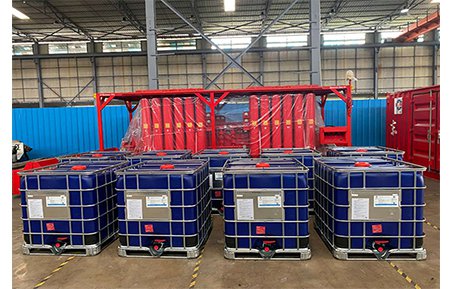
Regulatory mandates require regular recertification to validate structural and functional integrity. This process involves full strip-down evaluations, non-destructive testing of critical pressure retaining components, replacement of worn soft goods, and rigorous hydrostatic proof testing.
Securing flawless compliance audit outcomes depends on having accurate, traceable service history logs. Professional Re-certificate Service ensures that all maintenance records, test certificates, and material traceability reports align with international standards.
Having established the technical requirements for recertification, let us review capital allocation strategies through flexible equipment leasing.
Capital expenditure optimization remains a core priority for global drilling contractors. Rather than purchasing permanent assets for short-run exploration campaigns, operators can deploy flexible Rental Service options for specialized surface gear, including main control panels and high pressure test units.
Evaluating whether to lease temporary assets or upgrade existing inventory depends on project duration and technical complexity. Short-term wildcat drilling benefits from turnkey rental packages complete with field support, whereas long-term field developments gain greater return on investment from upgrading legacy infrastructure.
Having reviewed flexible asset deployment models, let us evaluate the distinct operational advantages delivered by original manufacturing support.
Sourcing replacement components from unverified third parties often compromises equipment pressure ratings and voids original warranties. As a pioneer in manufacturing reliable BOP Control System configurations since the 1980s, Guangzhou Dongsu ensures every intervention preserves original engineering tolerances.
Operating from a modern production and assembly base equipped with advanced machining centers, a team of senior engineers delivers total lifecycle support. From dedicated technical service centers, we unite rigorous testing, expert diagnostics, and rapid response field maintenance to secure operations worldwide.
Maintaining absolute well control integrity requires an uncompromising blend of accurate manufacturing heritage, responsive field maintenance, and proactive technology upgrades. Guangzhou Dongsu provides comprehensive, one-stop solutions, spanning real-time diagnostic reporting to full-scale equipment recertification, ensuring your drilling operations remain safe and compliant. Contact our engineering specialists today to schedule a comprehensive diagnostic audit for your drilling assets.
By continuing to use the site you agree to our privacy policy Terms and Conditions.