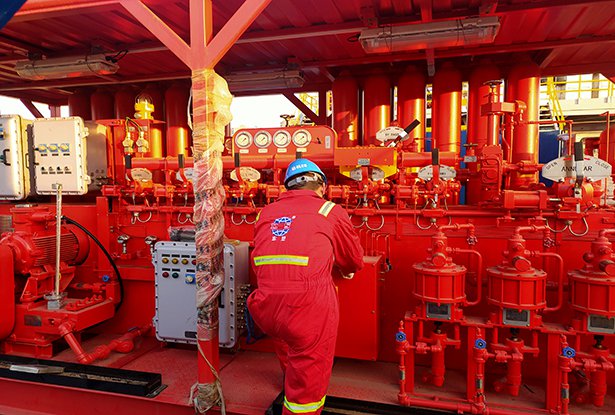
Maintaining steady annular and drill string pressure is a constant challenge during drilling operations. When unexpected formations appear, responding quickly to a kick depends entirely on how reliable your control equipment is. Without proper pressure management, operators risk severe wellbore instability, equipment damage, or serious blowout events.
On busy rig floors, bridging the gap between raw well pressure and precise surface control requires an uncompromising safeguard. Having established this vital role in site safety, let us examine how our flagship Choke Manifold Control Panel is built and structured.
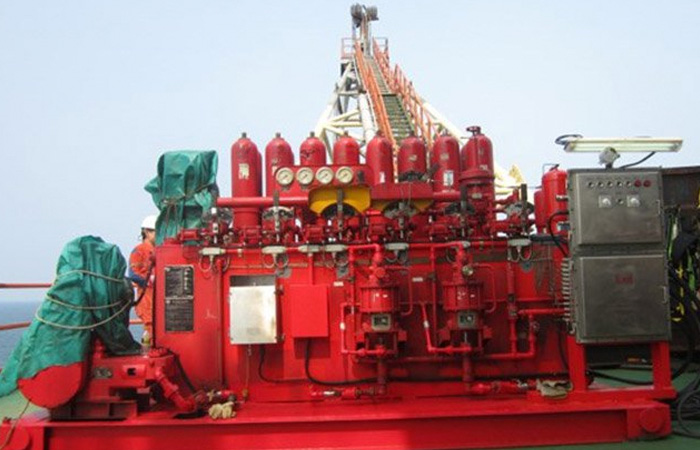
Early kick detection and controlled circulation require smooth workflows to keep bottom hole pressure stable. The control panel acts as the main brain of the manifold system, helping operators adjust fluid flow and lower blowout risks safely.
Having looked at how pressure regulation works, let us move on to the physical and technical requirements needed for tough downhole conditions.
Moving from technical specs to daily rig work, the physical layout of the site brings up important questions about distance and safe access.
Drilling sites need safe physical distance between the hazardous wellhead and the crew. Our systems allow reliable remote work within a 30 to 50 meter range, letting drillers adjust valves precisely without losing feel or accuracy.
Beyond operating distance, the working environment creates physical challenges that shape how control units must be housed and protected.
Big temperature shifts can ruin standard hydraulic fluids and seals. Our control panels work smoothly in temperatures ranging from minus 20 degrees Celsius to plus 70 degrees Celsius, using proper thermal management and fluid conditioning to keep oil from thickening.
To help engineering teams pick the right setup for their jobs, the following table compares standard performance levels across different system tiers.
| Specification Tier | Standard Duty (3,000 PSI) | High Pressure (5,000 PSI) | Ultra Deepwater (10,000+ PSI) |
| Primary Application | Onshore standard wells | Complex exploratory drilling | Deepwater offshore HPHT wells |
| Accumulator Volume | 40 to 80 gallons | 120 to 160 gallons | 200 plus gallons |
| Enclosure Rating | NEMA 4 / IP55 | NEMA 4X / IP66 Ex-proof | Explosion proof / Marine grade |
| Remote Range | Up to 30 meters | Up to 50 meters | Integrated telemetry & PLC |
Pricing depends on pressure ratings, accumulator volume, automation level, and explosion proof certification needs. For accurate pricing based on your specific operational requirements, contact the Guangzhou Dongsu engineering team directly.
Using normal carbon steel fittings instead of alloyed metals that meet NACE standards often leads to sulfide stress cracking and sudden pressure failure in high hydrogen sulfide environments.
Technicians should check nitrogen pre charge pressure monthly, look for water in the hydraulic oil, and test relief valves regularly to keep bladders in good shape.
Managing high pressure wells requires solid engineering, fast feedback, and strict API 16C compliance. Guangzhou Dongsu pairs decades of manufacturing experience with advanced production capabilities to bring dependable performance straight to your rig floor.
Take a look at our complete product lineup or reach out to our team today to talk about custom builds for your upcoming drilling project.
By continuing to use the site you agree to our privacy policy Terms and Conditions.