
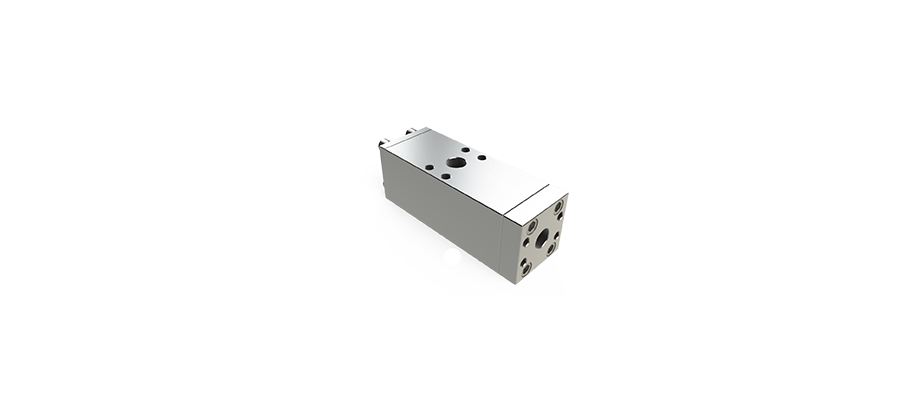

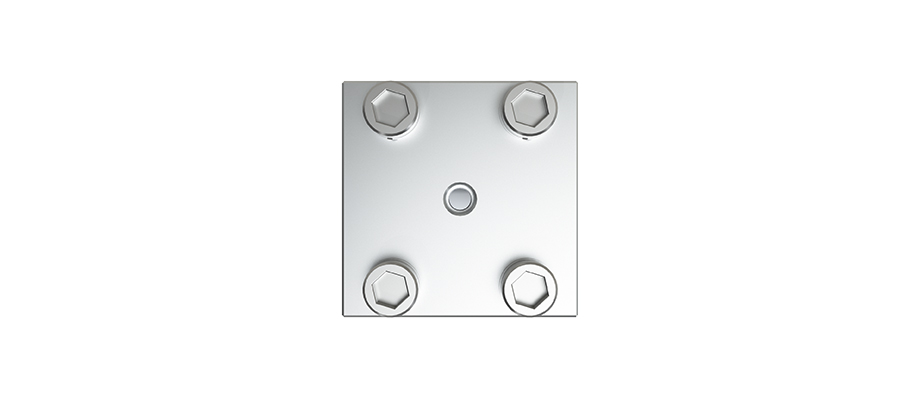

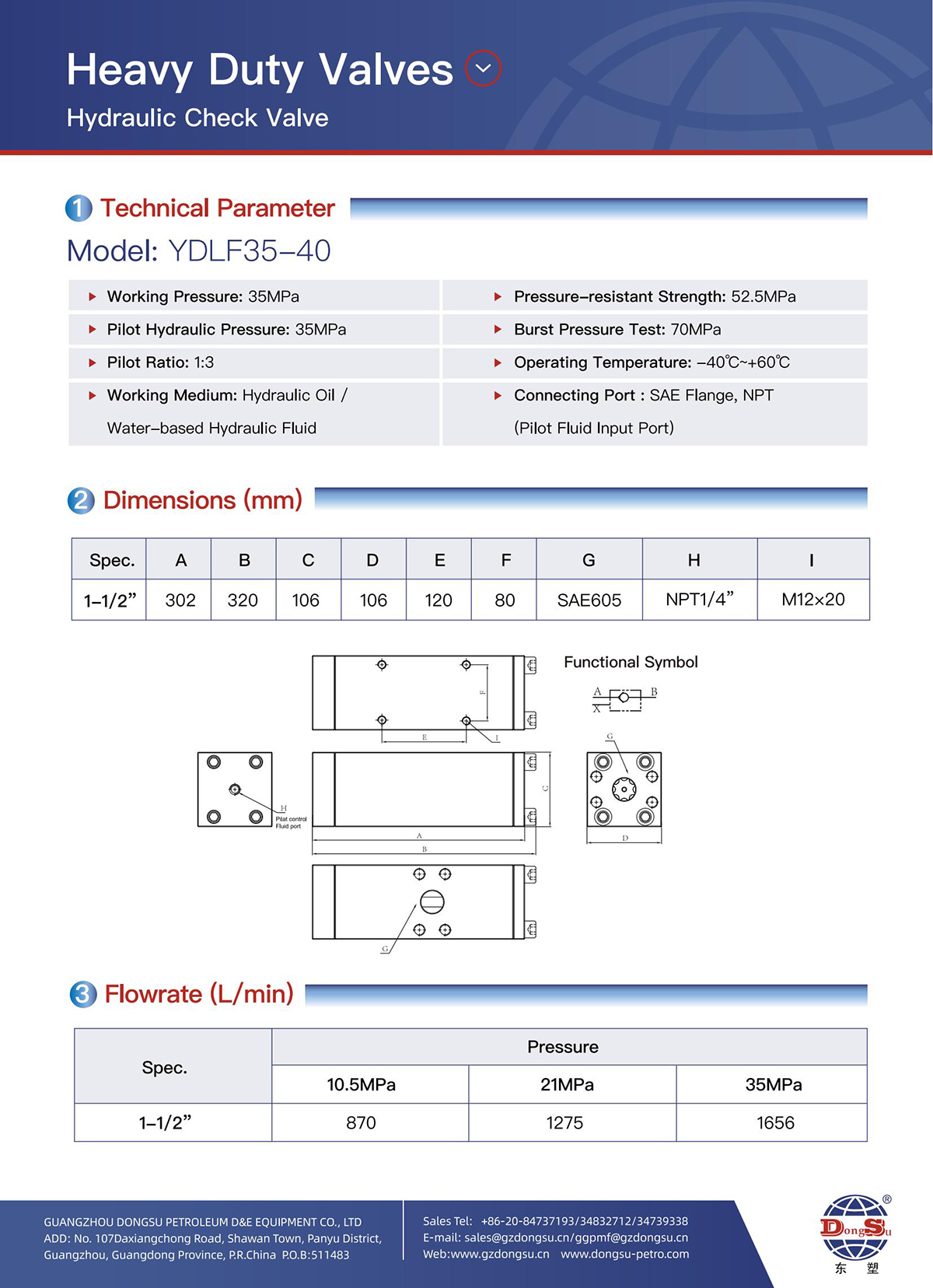
Widely used in oilfield drilling systems and industrial hydraulic circuits, hydraulic check valves play an important role in maintaining system safety and operational efficiency. Their simple yet durable structure enables reliable performance even under high-pressure conditions.
In oil and gas applications, these valves are commonly installed in BOP control systems, hydraulic pipelines, and pressure control units to prevent fluid backflow that could damage pumps, actuators, or control components.
A hydraulic check valve operates automatically based on pressure differences within the hydraulic system.
When hydraulic fluid flows in the forward direction, the pressure pushes the internal valve element (such as a poppet or disc) open, allowing the fluid to pass through the valve.
When the flow direction reverses or pressure drops, the valve element closes immediately, preventing fluid from flowing back into the system. This mechanism helps maintain system pressure and protects sensitive hydraulic components.
By continuing to use the site you agree to our privacy policy Terms and Conditions.

