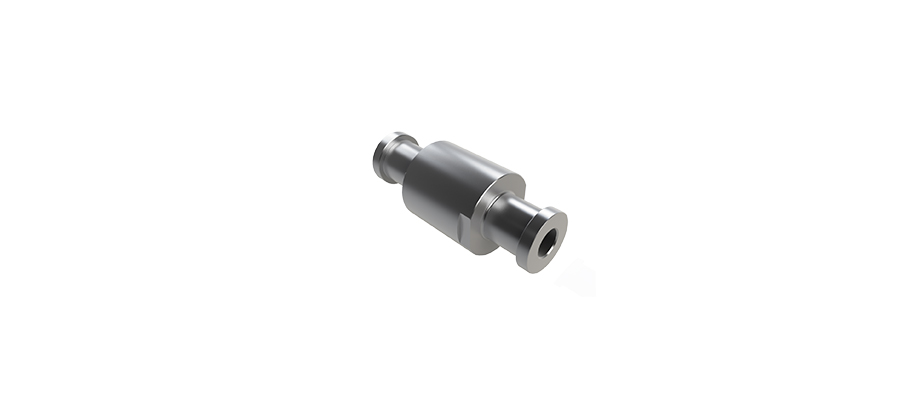
In the world of oil and gas drilling, one of the most significant risks operators face is the potential for blowouts. Blowouts occur when there is an imbalance between the formation pressure and the pressure inside the wellbore, allowing oil, gas, or drilling fluids to flow uncontrollably to the surface. This can lead to catastrophic consequences if not properly managed. Therefore, preventing such risks is crucial to maintaining the safety and stability of drilling operations. In this article, we’ll discuss various strategies to prevent loss-to-blowout (leak-to-blowout) risks, with a special focus on how 35MPa Pump & Valve applications help control well pressures.
Loss-to-blowout risks occur when well control is compromised, typically due to a pressure imbalance. When drilling fluid cannot maintain a proper balance against formation pressures, the formation fluids, which may be gas, oil, or water, can invade the wellbore. If these fluids aren’t adequately managed, the pressure rises, causing an uncontrolled flow—resulting in a blowout.
The primary causes of loss-to-blowout transitions are poorly managed pressure, inadequate monitoring, and delayed responses during critical operations. The risk escalates when these issues are not identified early. Effective planning and well control measures are essential to preventing such occurrences.
A well-structured wellbore design is vital in preventing leakage and well integrity failure. This process involves creating a casing program tailored to the formation pressure and potential leakage zones. In areas where high pressure or loss-prone formations are expected, a multi-layered casing system is essential.
By ensuring that proper isolation is achieved in zones with high risk of leakage, the well’s structural integrity can be maintained. It’s crucial to use data from surrounding wells to predict pressures and determine appropriate casing depths. Wellbore design should aim for complete isolation of low-pressure and high-pressure zones.
Managing the drilling parameters, such as mud weight, circulation rates, and drilling speed, can significantly reduce the risk of wellbore pressure imbalances that could lead to blowouts. First, it’s essential to ensure that the drilling mud density is balanced to control the hydrostatic pressure. When the mud density is too low, it can’t balance the formation pressure, leading to a blowout.
To avoid excessive pressure buildup, drilling speed should be controlled, and pressure fluctuations must be minimized. A controlled drilling environment reduces the risk of inducing high-pressure zones or fractures in the formation.
The mud weight, which is the density of the drilling fluid, plays a critical role in controlling well pressure. Proper fluid management helps prevent both well kicks and blowouts. Ensuring that the mud density remains appropriate for the well conditions is key to maintaining well control.
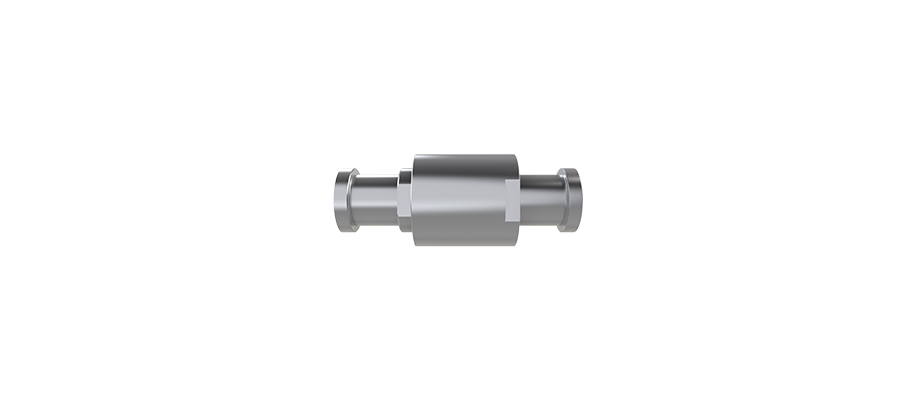
The use of the 35MPa Pump & Valve systems is essential in such circumstances. These systems allow for real-time pressure management and fluid circulation, providing precise control over well pressure. By using high-pressure pumps like the 35MPa Pump, operators can manage the flow of fluid with higher accuracy, minimizing the chance of pressure fluctuations leading to well kicks or blowouts.
It’s essential to control drilling operations, particularly during the initial drilling phase and when transitioning through potential leak zones. Any deviation during these stages can quickly escalate into more significant well control issues. Therefore, regular monitoring of the fluid level and pressure must be a priority.
Drill crews should be trained to recognize early indicators of issues such as pressure loss or rapid flow changes. By maintaining strict control over drilling parameters, such as keeping the mud weight balanced and regulating the speed of operations, the risk of blowout can be significantly minimized.

The 35MPa Pump & Valve systems play a critical role in controlling pressure within the wellbore. These high-pressure pumps and valves provide the necessary flow control during pressure management operations. Specifically, during blowout prevention efforts, these systems help stabilize the well pressure, ensuring that it doesn’t exceed or drop below safe levels.
The 35MPa Pump & Valve systems are particularly valuable in situations requiring quick, precise adjustments. They enable real-time pressure management, helping operators maintain safe operating conditions and preventing excessive pressure buildup or loss.
In addition, the 35MPa Pump & Valve systems are designed to be highly durable, with the capacity to withstand harsh drilling environments and extreme pressures. This makes them an ideal solution for managing the challenging conditions often encountered during deepwater drilling or high-pressure wellbores.
Operational efficiency depends not only on effective pressure control but also on maintaining and operating well control systems. Regular maintenance and upgrades to the well control equipment ensure that there are no surprises when pressure spikes occur.
By using advanced equipment such as 35MPa Pump & Valve systems, operators can ensure optimal flow rates and minimize the risk of system failures. Additionally, integrating these systems into the overall well control strategy enhances operational safety and reliability, especially during critical blowout prevention scenarios.
In conclusion, preventing loss-to-blowout risks involves a combination of proper well design, rigorous drilling parameters, efficient fluid management, and precise pressure control. By using advanced equipment like the 35MPa Pump & Valve, drilling operations can ensure that pressure is consistently monitored and adjusted to avoid dangerous pressure imbalances.
At Dongsu, we specialize in providing high-quality Choke Manifold Control Panel systems, including the essential 35MPa Pump & Valve systems. Our equipment helps enhance blowout prevention by offering precise control and reliable performance under extreme conditions. Ensure your drilling operations stay safe and efficient with our well control solutions.
For more information, contact us today to explore our full range of blowout prevention systems and pressure control solutions.
By continuing to use the site you agree to our privacy policy Terms and Conditions.