Blowouts are among the most serious risks in oil and gas drilling, as they can cause catastrophic damage to equipment, the environment, and even result in loss of life. Understanding how Blowout Preventer (BOP) control systems work is essential for ensuring the safety and efficiency of drilling operations. In this article, we’ll explore the crucial role of BOP control systems in preventing blowouts, the importance of pressure management, and how operators can take practical steps to enhance their drilling safety.
A blowout occurs when the pressure in the wellbore becomes greater than the pressure exerted by the drilling mud, leading to the uncontrolled release of oil, gas, or other formation fluids. Without proper control, this can result in an explosion, fire, or environmental damage. The causes of blowouts are often linked to pressure imbalances, inadequate monitoring, or equipment failures. The BOP control system plays a key role in managing and preventing these dangerous incidents by providing a safety mechanism that can quickly seal the well when abnormal pressure is detected.
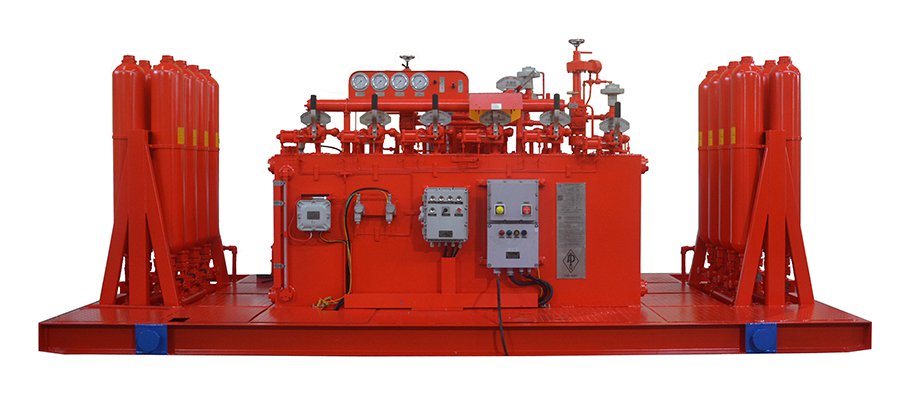
Blowout Preventers are critical devices installed at the wellhead to prevent the uncontrolled release of formation fluids. BOP control systems are designed to monitor well pressure continuously and provide rapid response to any signs of a kick or a pressure increase. These systems consist of several components, including annular and ram-type BOPs, pressure sensors, hydraulic systems, and a control panel.
The BOP control system operates by using hydraulic pressure to close the preventer mechanisms, sealing the well and stopping any fluid flow. The system is linked to a control panel that allows operators to monitor well pressure, flow rate, and other vital parameters in real-time. If an abnormal pressure change is detected, the control system triggers the BOP to close and seal the well, preventing the potential for a blowout.
Pressure management is one of the most critical aspects of well control. In order to prevent blowouts, operators must maintain a balance between the pressure in the wellbore and the pressure exerted by the drilling mud. Drilling mud, with the correct weight and density, helps counteract formation pressure, keeping the well stable.
BOP control systems play a central role in managing this balance. They continuously monitor well pressure, ensuring that it remains within the safe operating limits. If pressure increases to dangerous levels, the BOP system responds immediately by closing the wellbore to prevent uncontrolled fluid release.
Operators use real-time pressure data from the BOP control system to adjust the weight of the drilling mud, ensuring that it maintains the necessary hydrostatic pressure to prevent a kick. Additionally, the system can help operators fine-tune other aspects of pressure control, such as circulating fluid to help restore pressure stability.
One of the key aspects of preventing blowouts is the ability to detect changes in well pressure at the earliest possible stage. Early detection allows operators to take action before pressure builds to critical levels, thereby reducing the likelihood of a blowout. BOP control systems enable early detection by continuously monitoring the well and alerting operators to any changes in pressure.
For example, a well kick—when formation fluids begin to enter the wellbore due to insufficient hydrostatic pressure—is one of the earliest signs of potential well control problems. The BOP control system is able to detect a kick and initiate an emergency response, such as activating the BOP to seal the well, before it escalates into a full-blown blowout.
Operators must be trained to recognize the signs of a kick or other pressure anomalies. The BOP control system can help by providing real-time pressure readings, flow data, and visual alerts, giving operators the information they need to act quickly and mitigate the risk of a blowout.
Regular maintenance of the BOP control system is essential to ensuring its effectiveness in preventing blowouts. A malfunctioning BOP can lead to catastrophic consequences, which is why operators must inspect and test the system regularly. Maintenance procedures typically include checking hydraulic pressures, inspecting seals, and verifying the operation of the ram and annular preventers.
Failure to maintain the BOP control system or perform routine testing can lead to equipment failure at critical moments, increasing the risk of blowouts. By investing in preventive maintenance, operators can reduce the risk of malfunctions and ensure the reliability of their BOP systems.
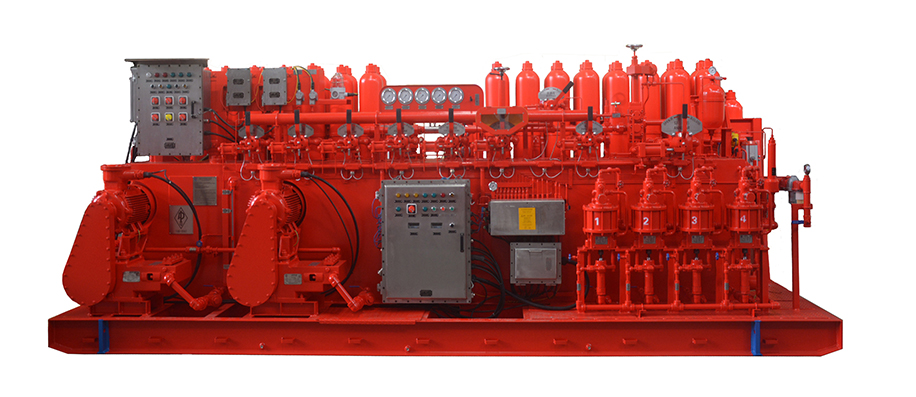
Blowout prevention is not only a safety concern but also a regulatory requirement. Industry standards, such as the API 16C, outline the specifications for BOP systems, including the necessary safety features, operational procedures, and maintenance schedules. Compliance with these standards ensures that operators are meeting the minimum safety requirements and that their BOP systems are functioning as intended.
By following these regulations, drilling teams can reduce the risk of blowouts and improve the overall safety of drilling operations. BOP control systems that meet API standards are designed to handle the pressures and challenges of the drilling environment, providing an added layer of security.
Blowout prevention is essential for maintaining safety, efficiency, and regulatory compliance in oil and gas drilling. BOP control systems are a vital part of well control, allowing operators to detect pressure anomalies early and respond effectively to prevent blowouts. By maintaining a balance between wellbore pressure and formation pressure, and by using BOP systems to quickly seal the well when necessary, operators can significantly reduce the risk of blowouts.
The importance of well-maintained BOP control systems cannot be overstated. As the oil and gas industry continues to face operational challenges, investing in high-quality BOP control systems and maintaining them to industry standards is key to ensuring safe and efficient drilling operations.
For high-quality BOP control systems and expert support, Dongsu provides reliable and effective solutions. Our BOP control systems are designed to meet API 16C specifications and help you ensure the safety and reliability of your drilling operations. Contact Dongsu today to learn more about our advanced BOP control systems and blowout prevention technology.
By continuing to use the site you agree to our privacy policy Terms and Conditions.