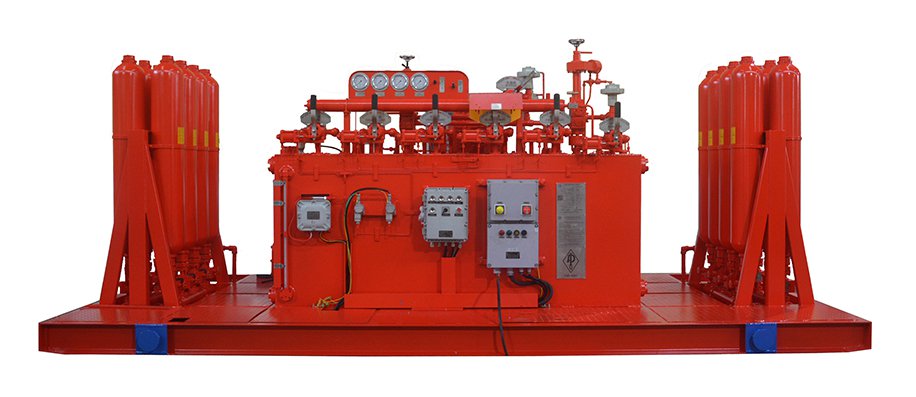
In the world of oil and gas drilling, safety is always the top priority. One of the most critical aspects of drilling operations is preventing blowouts, which are uncontrolled releases of oil, gas, or drilling fluids. A blowout can result in catastrophic consequences, including environmental damage, injury, or even loss of life. That’s where Blowout Preventer (BOP) Control Systems come into play. These systems are designed to prevent blowouts by monitoring and controlling well pressure during drilling operations.
A Blowout Preventer (BOP) is a safety device installed at the wellhead, crucial for maintaining well control. BOPs are designed to seal the well in case of sudden pressure surges or uncontrolled flow of oil, gas, or water. However, the BOP alone cannot function effectively without a control system. This is where BOP control systems come into action.
BOP control systems allow operators to manage and regulate the BOP’s response to changes in pressure within the wellbore. These systems use hydraulic pressure, often remotely controlled, to engage or disengage the BOP’s components. By constantly monitoring pressure conditions, the BOP control system ensures that the well remains sealed during dangerous pressure fluctuations, preventing blowouts before they happen.
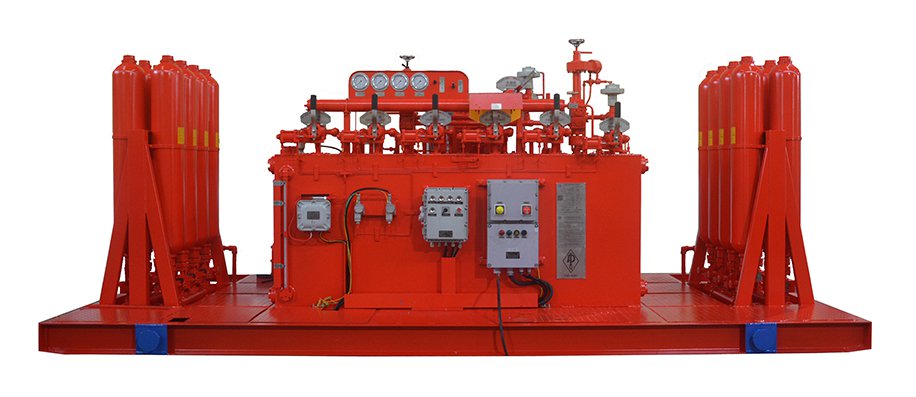
The primary function of BOP control systems is to detect early signs of pressure imbalance. During drilling operations, pressure within the wellbore fluctuates. If the pressure becomes too high, it can force formation fluids into the wellbore, a situation that may lead to a blowout. The BOP control system continuously monitors parameters such as standpipe pressure, casing pressure, and the valve position of the BOP to ensure everything is within safe limits.
When an abnormal pressure spike is detected, the system reacts quickly, activating the BOP’s sealing mechanisms. This immediate response is vital in preventing a blowout. The BOP control system’s ability to act in real time helps mitigate the risks associated with drilling in unpredictable environments, such as those found in deepwater or high-pressure wells.
The BOP control system typically consists of several key components: the control panel, hydraulic pumps, accumulator systems, and the BOP stack itself. The control panel allows operators to remotely monitor and control the system, making real-time adjustments based on well conditions.
Hydraulic pumps and accumulator systems supply the necessary pressure to engage or disengage the BOP’s sealing elements. These systems are activated when the control panel detects a rise in well pressure. Once the BOP is engaged, the pressure is contained, and the well is sealed to prevent further influx.
Another important aspect of BOP control systems is their integration with other safety equipment, such as choke and kill manifolds. These manifolds help control well pressure and flow rates by regulating the amount of fluid pumped into the well during pressure surges. When combined with a BOP control system, they provide a comprehensive well control strategy that ensures the well remains sealed and stable.
One of the most important features of BOP control systems is the ability to remotely control the BOP’s functions. Operators can monitor the system from the control panel, which displays crucial data like casing pressure, valve position, and flow rates. This real-time monitoring provides vital information that helps operators make informed decisions during drilling operations.
In addition, modern BOP control systems are equipped with automated safety features. These features can trigger alarms or automatic shutdowns in case of a malfunction or an unsafe increase in pressure. This helps prevent human error and ensures the system responds promptly to emerging risks.
Furthermore, many BOP control systems are designed to operate in harsh environments and maintain reliability even during extreme conditions. Whether offshore or in deep wells, these systems are engineered to withstand pressure, temperature changes, and rough conditions, ensuring they are always ready to perform when needed most.
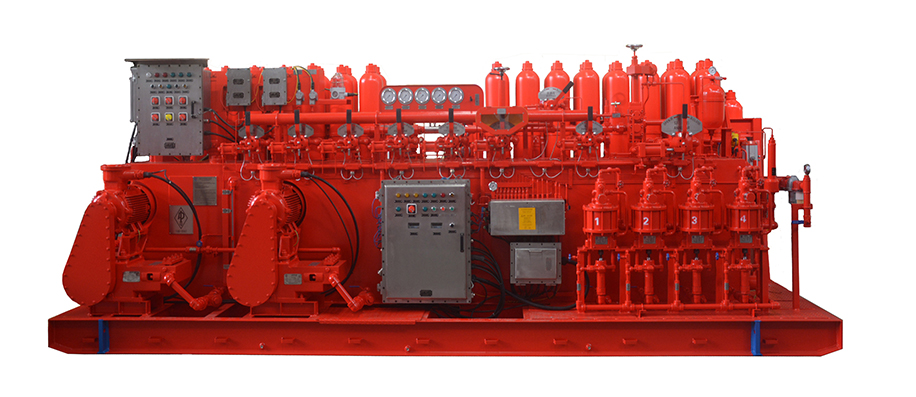
Blowouts are rare but devastating events that can cause extensive damage to the environment, personnel, and equipment. The prevention of blowouts requires a reliable system that can manage pressure fluctuations and respond rapidly to emerging risks. BOP control systems provide the essential support to the BOP stack, enabling precise control of well pressure and helping to avoid catastrophic accidents.
Without an efficient BOP control system, the risk of a blowout increases significantly, particularly when drilling in complex formations or under high-pressure conditions. By automating the process of monitoring and controlling well pressure, BOP control systems reduce human error and improve the safety of drilling operations.
BOP control systems are indispensable in the modern oil and gas industry. They help ensure safe drilling operations by managing well pressure, preventing blowouts, and protecting both personnel and the environment. With the ability to detect pressure changes early, respond rapidly, and provide real-time data, these systems are vital to the success of drilling operations.
If you're looking for a reliable and efficient BOP control system, Dongsu offers top-quality solutions that meet industry standards. As a trusted pneumatic control systems manufacturer, we specialize in providing advanced equipment that ensures the safety and stability of your drilling operations. For more information, please contact us today.
By continuing to use the site you agree to our privacy policy Terms and Conditions.