In oil and gas operations, controlling well pressure and flow is a vital part of maintaining safety and efficiency. One of the most important tools for managing well pressure is the choke manifold. This essential equipment helps regulate the pressure in the wellbore, ensuring a stable environment for both drilling and production operations. Without proper pressure control, operations can quickly escalate into dangerous situations such as blowouts or well kicks. In this article, we’ll dive into what choke manifolds are, their components, and how they help control flow and pressure during drilling operations.
Pressure control is essential in oil and gas operations for various reasons. During drilling, the pressure within the wellbore must be carefully managed to ensure that it stays within safe limits. If the pressure exceeds a certain threshold, it can lead to dangerous situations like blowouts, where oil, gas, or drilling fluids are released uncontrollably to the surface. Blowouts are not only costly but also pose significant risks to personnel and the environment.
Managing pressure is especially crucial when dealing with well kicks – a situation where formation fluids enter the wellbore due to insufficient hydrostatic pressure. If the pressure isn’t controlled, a well kick can quickly escalate into a blowout. This is where a choke manifold plays a pivotal role by regulating the pressure and maintaining stability during drilling.
A choke manifold is a vital piece of equipment used in well control systems. It is designed to regulate and control well pressure during drilling and production activities. The choke manifold controls the flow of fluids by using choke valves, which can be adjusted to regulate the pressure in the wellbore. By managing the flow rate, it helps prevent pressure spikes that could lead to dangerous situations like blowouts.
Choke manifolds are typically installed at the surface of the well and are connected to the wellhead. They are crucial for both drilling and production processes, helping ensure that the well remains under control by constantly monitoring and adjusting pressure levels.
A choke manifold system consists of several key components that work together to ensure effective pressure control. These include:
Choke Valves: These are the heart of the choke manifold system. They are used to regulate the flow rate of fluids from the well, which in turn controls the pressure within the wellbore. The choke valves can be adjusted based on real-time data to maintain the required pressure.
Flow Lines: These pipes carry the fluid to and from the wellbore. They are designed to handle high-pressure conditions and ensure that the pressure is safely regulated throughout the system.
Pressure Gauges and Sensors: These instruments continuously monitor the pressure levels at various points in the well. They provide real-time data to operators, allowing them to make quick adjustments to the choke valves and maintain pressure stability.
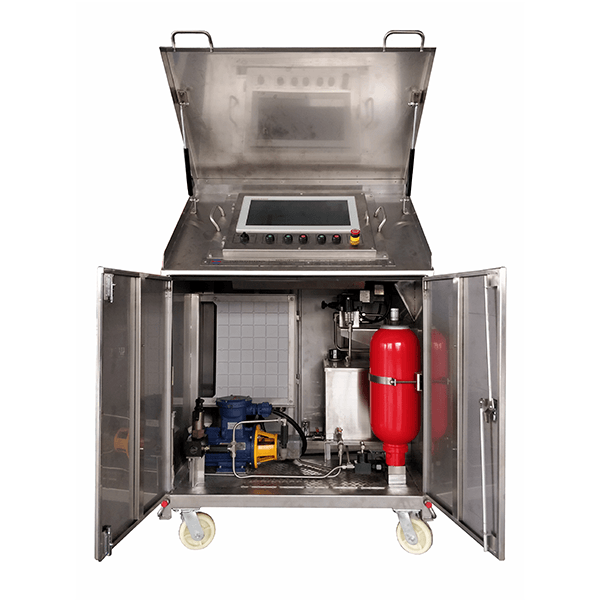
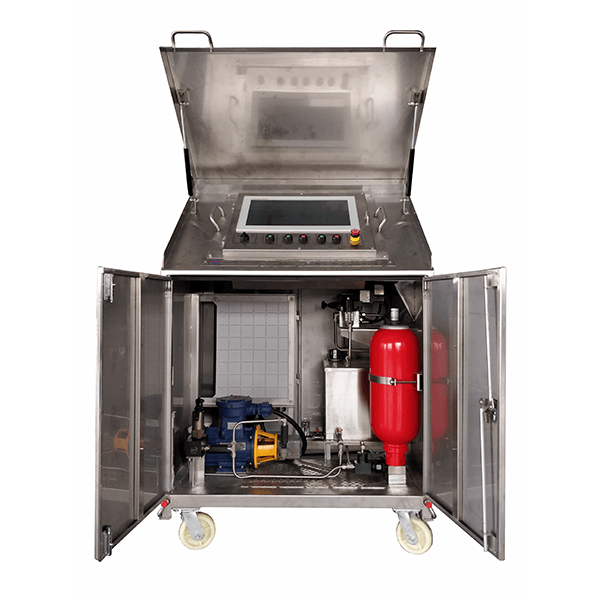
Choke Manifold Control Panel: This control panel enables operators to remotely control the choke valves. The control panel displays vital information such as standpipe pressure, casing pressure, and valve position. It also integrates sensors that monitor pressure fluctuations, ensuring that the system can be adjusted quickly to prevent pressure imbalances.
Choke manifolds regulate well pressure by adjusting the choke valves to control the flow of fluids. When the pressure in the wellbore increases, the choke valve can be partially closed to reduce the flow, which lowers the pressure. Conversely, when pressure decreases, the valve can be opened to increase the flow and maintain balance.
This dynamic adjustment helps to prevent dangerous pressure fluctuations that could lead to well kicks or blowouts. By regulating the flow, choke manifolds ensure that pressure remains within safe limits, preventing the uncontrolled release of fluids and maintaining a stable drilling environment.
Choke manifolds play a crucial role in well control operations. They are used to prevent well kicks by maintaining a balanced pressure in the wellbore. When a well kick occurs, the choke manifold allows operators to adjust the pressure and flow rate to stop the influx of formation fluids. This early intervention prevents the situation from escalating into a blowout, which could be catastrophic.
In addition to controlling well pressure, choke manifolds are also used during well testing and production. During these phases, they help manage the flow of oil, gas, and other fluids from the well to the surface. By regulating the flow, choke manifolds ensure that the wellhead pressure remains stable, allowing for safe and efficient production.
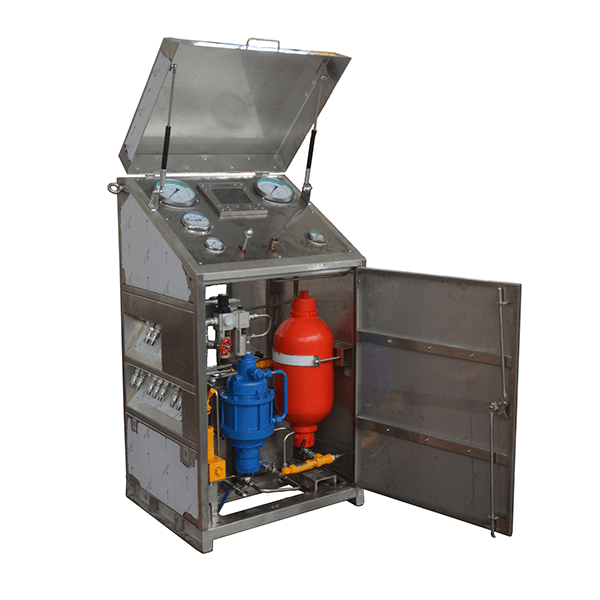
Modern choke manifold systems are increasingly automated, allowing for real-time monitoring and control. Automation helps operators make quick adjustments to the choke valves based on real-time data, ensuring that pressure remains stable and within safe limits. Advanced sensors and pressure gauges continuously monitor the well’s pressure and flow, providing accurate data that operators can use to make informed decisions.
This level of automation reduces the risk of human error and ensures that the well control system responds promptly to changes in pressure. It also enables operators to perform regular checks and maintenance remotely, improving efficiency and safety in remote and hazardous drilling environments.
Choke manifolds are an essential component in managing well pressure and ensuring the safety of oil and gas drilling operations. By regulating the flow of fluids and adjusting pressure in real-time, choke manifolds help prevent dangerous incidents like blowouts and well kicks. With continuous monitoring and automated control, they provide an effective means of managing pressure in even the most challenging drilling environments.
If you're looking for reliable and high-quality choke manifold systems, Dongsu offers premium products that meet API standards and are designed to provide safe and efficient pressure control. As trusted choke manifold control panel manufacturers, Dongsu’s equipment is built to withstand the toughest conditions and ensure smooth operations during oil and gas extraction.
Contact Dongsu today to learn more about our innovative solutions for well pressure management and how our products can enhance your drilling operations.
By continuing to use the site you agree to our privacy policy Terms and Conditions.