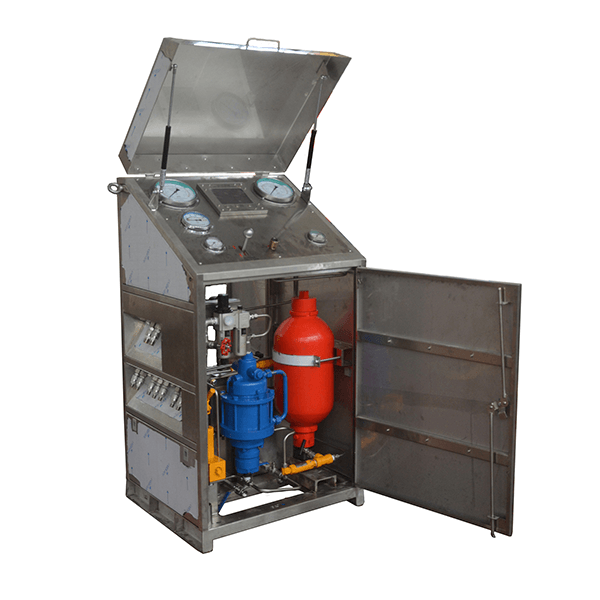
In the oil and gas industry, maintaining safe and stable well pressure is crucial to the success and safety of drilling operations. One of the key pieces of equipment that help manage this pressure is the choke manifold. This system allows operators to regulate wellbore pressure effectively, preventing dangerous blowouts and well control incidents. In this article, we will explore how choke manifolds contribute to well pressure management, their role during drilling operations, and how they improve safety and efficiency in the field.
A choke manifold is an essential piece of equipment used in oil and gas drilling to control the pressure in the wellbore. It is designed to help regulate the flow of drilling fluids and manage the pressure exerted on the wellbore during drilling operations. Essentially, a choke manifold acts as a pressure regulator, ensuring that the well’s internal pressure remains within safe limits. The system typically includes choke valves, pressure gauges, and kill lines. By adjusting the choke valve, operators can control the flow rate of fluids and ensure that the pressure inside the well is stable and manageable.
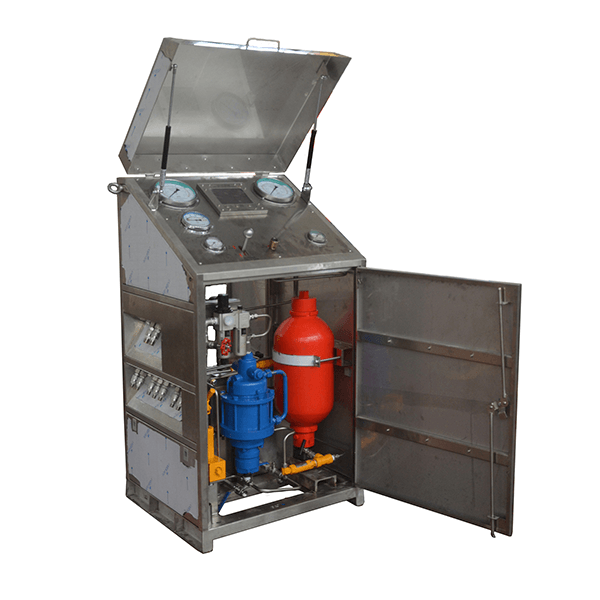
Choke manifolds play a critical role in regulating wellbore pressure, which is essential for maintaining safety and operational efficiency. These systems allow operators to adjust the flow of drilling fluids, helping to prevent blowouts—a dangerous and uncontrolled release of oil, gas, or drilling fluids from the wellbore. Blowouts are a major risk in the oil and gas industry, and without effective pressure control, the consequences can be catastrophic.
The primary function of the choke manifold is to maintain pressure stability by regulating the flow of fluids. During drilling operations, pressure can fluctuate due to several factors, including changes in formation depth, drilling rate, or circulating losses. If pressure is not carefully controlled, the risk of a well kick—an influx of formation fluids—can increase. A well kick, if not managed properly, can escalate into a blowout. By using the choke manifold to control the flow of fluids, operators can prevent these dangerous situations.
The choke manifold system is a key safety mechanism in blowout prevention. When a well kick occurs, the pressure in the wellbore rises, causing the influx of formation fluids. If left unaddressed, this can lead to a blowout. Choke manifolds help mitigate this risk by enabling operators to shut in the well and adjust the pressure in real-time.
By controlling the choke valve, operators can adjust the flow of drilling fluids into the well, which helps to restore pressure balance. When the system detects an influx of formation fluids, the operator can shut in the well by closing the choke valve, which effectively isolates the well and stops the flow of formation fluids. This immediate action can prevent the escalation of a well kick into a blowout, minimizing the risk to personnel, equipment, and the environment.
A choke manifold system consists of several components that work together to manage well pressure effectively:
Each component plays a crucial role in ensuring that the choke manifold system functions effectively and maintains safe wellbore pressure.
Using choke manifolds significantly improves safety and operational efficiency during drilling operations. By providing a controlled and regulated flow of fluids, these systems help prevent blowouts and ensure that the well’s pressure is within safe operating limits. Proper pressure control minimizes the risk of incidents such as well kicks, which can lead to costly delays and equipment damage.
Moreover, choke manifolds help improve operational efficiency by allowing for precise control of pressure and flow rates. This enables drilling teams to optimize the drilling process, reduce downtime, and improve overall performance. Consistent monitoring and adjustment of pressure levels also reduce the risk of unexpected incidents, further enhancing the efficiency of the operation.
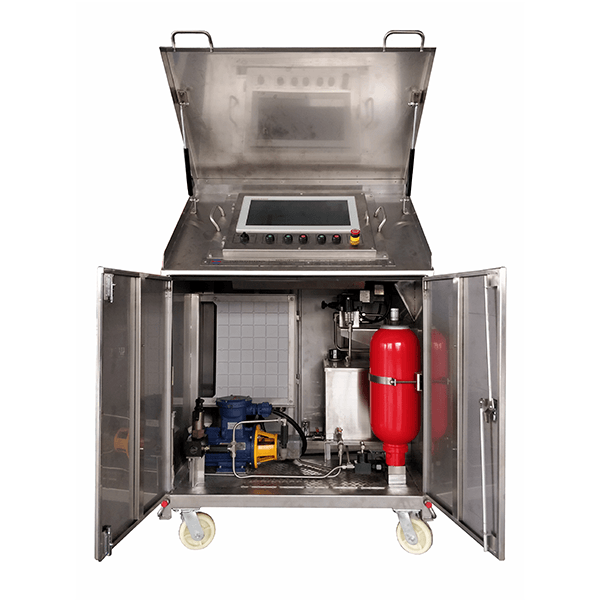
Despite their critical role in pressure management, choke manifolds are not without challenges. Pressure management complexity, equipment wear, and human error can all contribute to difficulties in maintaining wellbore pressure. Regular maintenance and inspection of the manifold system are essential to ensure that it operates efficiently and reliably.
Best practices for choke manifold use include:
Choke manifolds play a vital role in controlling well pressure during drilling operations. By regulating the flow of drilling fluids, these systems help maintain pressure balance, prevent blowouts, and ensure operational safety. Their role in well control cannot be overstated, as they are essential in preventing costly and dangerous incidents.
For companies looking to enhance their well control systems, Dongsu offers state-of-the-art Choke & Kill Manifold systems that meet API 16C specifications. These systems provide reliable pressure management, reduce the risk of blowouts, and ensure efficient drilling operations.
Contact Dongsu today to learn more about our advanced Choke & Kill Manifold systems, designed to provide safe, efficient, and reliable pressure control during drilling operations.
By continuing to use the site you agree to our privacy policy Terms and Conditions.