In the oil and gas industry, particularly during drilling operations, safety and structural integrity are paramount. Blowout Preventers (BOPs) are critical devices used to control well pressure and prevent blowouts. One often overlooked yet crucial aspect of BOP installation is the proper bolting of the flange connections. In this article, we’ll discuss why it’s essential for BOP flange bolts to have 2–3 visible threads and how this simple but important detail ensures safety and performance in high-pressure environments.
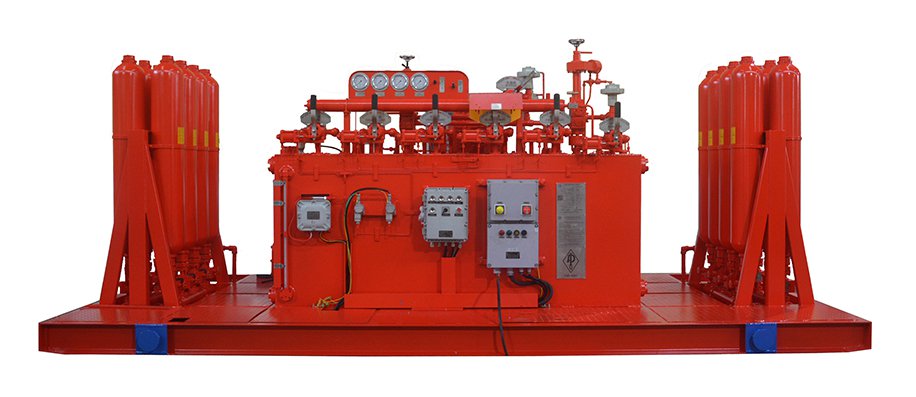
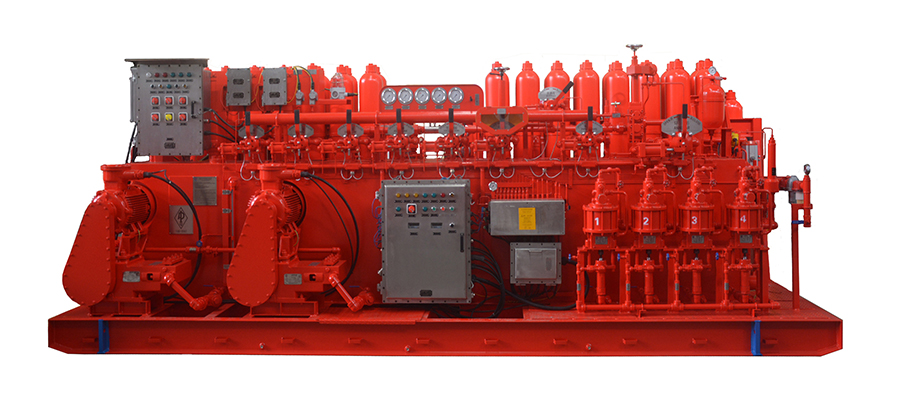
Blowout Preventers are designed to seal off the wellbore in the event of uncontrolled pressure. This is accomplished through the use of BOP stacks, which are bolted to the wellhead. The flanges and bolts play a pivotal role in maintaining a secure, leak-proof connection under extreme pressure conditions. The BOP flange bolts hold the equipment together, ensuring the seals remain intact and that the system can function reliably when needed.
The function of BOP flange bolts goes beyond merely holding parts together. They ensure the pressure within the system is properly contained, preventing potentially dangerous leaks or ruptures. The strength and reliability of the bolted connection are vital to ensuring that the BOP system can withstand the immense pressures encountered during drilling operations, often in excess of several thousand psi.
The reason why BOP flange bolts need to have 2–3 visible threads is tied to the mechanical integrity and safety of the connection. When installing flange bolts on the BOP, it's critical that the bolts are tightened to an appropriate torque level and that the threads engage properly. Here’s why:
When tightening bolts, it’s crucial to ensure that there’s enough thread engagement between the bolt and the nut. Having 2–3 visible threads ensures that the bolt is properly threaded into the nut, providing optimal engagement and strength. If the threads don’t engage enough, the connection could fail under pressure, potentially leading to dangerous situations such as leaks or equipment failure.
Visible threads help ensure that the pressure is distributed evenly across the bolt. If the threads are engaged fully, it reduces the chances of uneven pressure distribution, which can lead to stress concentration in certain areas. This is particularly important in high-pressure systems like BOPs, where even minor structural failures can have catastrophic consequences.
If bolts are over-tightened, it can lead to bolt elongation, which weakens the connection. Leaving 2–3 visible threads allows for the proper tightening of the bolt without exceeding the required torque, ensuring that the bolt is neither too tight nor too loose. This prevents the risk of fatigue and damage to the bolt or flange over time.
Having the right number of threads visible ensures a higher level of mechanical integrity and safety. The 2–3 visible threads serve as a visual confirmation that the bolt is correctly installed. It also provides an early warning if the bolt needs maintenance or if it’s not fully tightened, helping prevent accidents during drilling operations.
BOP systems are typically exposed to harsh environments with fluctuating pressures, temperatures, and mechanical stresses. Over time, these conditions can take a toll on the bolted connections. Ensuring proper thread engagement by leaving 2–3 visible threads improves the long-term performance of the system. Properly torqued and engaged bolts can withstand pressure cycling, thermal expansion, and vibration more effectively than improperly installed bolts.
Furthermore, this practice enhances the reliability of the BOP system during critical operations. If a BOP system is improperly bolted, there’s a higher risk of leaks or failures. This not only jeopardizes safety but also increases maintenance costs and downtime. Ensuring the correct number of visible threads helps prevent these issues, making it a simple yet effective step to safeguard operations.
The benefits of leaving 2–3 visible threads on BOP flange bolts extend beyond the safety of individual systems. The correct installation of flange bolts is part of best practices in the oil and gas industry, ensuring regulatory compliance and operational efficiency. Some of the key benefits include:
In conclusion, leaving 2–3 visible threads on BOP flange bolts is a small but crucial step that ensures the safety, reliability, and efficiency of oil and gas drilling operations. Proper thread engagement, even pressure distribution, and avoiding over-tightening are all vital for maintaining the structural integrity of the BOP system. By adhering to this simple guideline, drilling teams can significantly reduce the risk of blowouts, leaks, and equipment failures.
If you are involved in the installation or maintenance of BOP systems, remember that these small details can make a big difference in ensuring operational safety and long-term performance.
Dongsu provides high-quality BOP systems and blowout prevention solutions to ensure your operations run safely and smoothly. Contact us today to learn more about our cutting-edge equipment and how we can help safeguard your drilling operations.
By continuing to use the site you agree to our privacy policy Terms and Conditions.