Extracting oil from underground reservoirs is a complex industrial process that requires specialized equipment at every stage. Oil production involves exploration, drilling, well completion, processing, and transportation. Each step must be performed safely and efficiently because operations take place under high pressure and in harsh environments. Therefore, using the right oilfield equipment is essential to protect workers, maintain production efficiency, and meet strict safety regulations.
Before drilling begins, companies must confirm that oil reserves exist. At this stage, exploration equipment plays a critical role in reducing financial and operational risks. Seismic survey systems send sound waves into the ground and analyze how the waves reflect from underground rock layers. As a result, geologists can identify structures that may contain oil or gas. In addition, advanced geological analysis software processes seismic data and rock samples to estimate reservoir size and depth. Together, these tools allow operators to make informed decisions before investing in drilling operations.
Once a suitable location is identified, drilling equipment is used to access the reservoir. Drilling rigs serve as the central structure that supports drilling operations on land or offshore platforms. Meanwhile, drill bits cut through rock formations, and drill pipes connect surface equipment to the bit deep underground. Drilling mud systems circulate fluid through the well to cool the drill bit, remove rock cuttings, and maintain pressure balance. At the same time, pressure monitoring systems help operators detect abnormal conditions early, which is essential for preventing accidents.
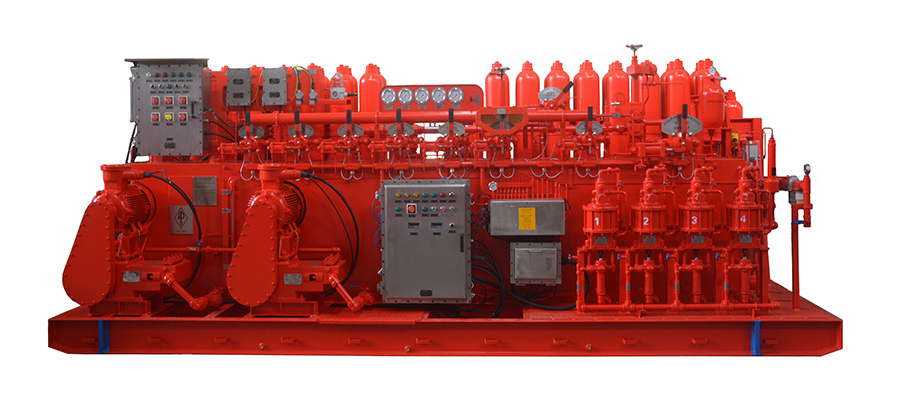
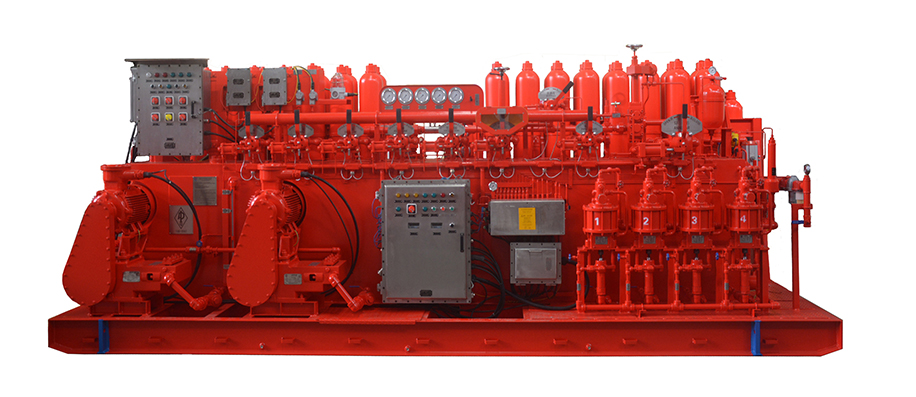
Equally important, well control equipment ensures that underground pressure remains under control during drilling. The most critical safety device is the blowout prevention system, which is installed at the wellhead to seal the well if pressure becomes unstable. These systems include annular and ram preventers that can close around drill pipes or completely shut the well. In addition, control valves and pressure control devices allow operators to regulate flow and isolate sections of the well when necessary. Reliable well control equipment is essential because uncontrolled pressure can lead to dangerous blowouts.
After drilling reaches the target depth, completion equipment prepares the well for long-term production. Steel casing is installed and cemented to stabilize the wellbore and isolate underground formations. Following this, production tubing provides a controlled pathway for oil to flow to the surface. In many wells, natural pressure declines over time, so artificial lift systems such as pump jacks or electric submersible pumps are installed to maintain production. Surface control equipment then regulates flow rates and ensures stable operation throughout the life of the well.
When oil reaches the surface, it often contains gas, water, and solid particles. Therefore, processing equipment is required before transportation. Separators divide oil, gas, and water into separate streams using gravity and pressure differences. In addition, heaters may be used to reduce oil viscosity and improve separation efficiency. Water treatment systems remove impurities to meet pipeline specifications. Proper processing prevents corrosion, improves product quality, and ensures safe transportation.
After processing, oil must be stored and transported safely. Storage tanks at production sites hold crude oil before shipment. Pipelines are commonly used for long-distance transportation because they provide continuous flow and reduce handling risks. However, when pipelines are unavailable, tanker trucks, railcars, or marine vessels transport oil to refineries. Each method requires strict safety procedures to prevent leaks and environmental damage.
Finally, monitoring and environmental protection systems support safe operations across all stages. Gas detection systems continuously monitor for hazardous gases and alert crews if levels become dangerous. Spill containment equipment helps control accidental releases and reduce environmental impact. In addition, sensors and automated monitoring systems provide real-time data to operators, allowing quick responses to changing conditions. These technologies improve both safety and operational efficiency.
In summary, oil extraction depends on a wide range of specialized equipment working together as an integrated system. From exploration tools to drilling rigs, safety devices, processing units, and transportation systems, each component plays a vital role in ensuring reliable production. Selecting high-quality equipment not only improves efficiency but also reduces operational risks and supports regulatory compliance.
If you are looking for reliable well control solutions, Dongsu provides advanced equipment designed for demanding oilfield environments. As a professional blowout prevention system supplier, Dongsu delivers high-performance safety systems that help operators maintain pressure control, protect personnel, and ensure stable drilling operations.
By continuing to use the site you agree to our privacy policy Terms and Conditions.