To begin with, a blowout is one of the most dangerous events that can occur during oil and gas drilling. It threatens worker safety, damages equipment, and can cause severe environmental harm. A blowout happens when formation pressure exceeds the pressure inside the wellbore, allowing oil, gas, or fluids to flow uncontrollably to the surface. Because drilling operations rely on maintaining precise pressure balance, even small failures can escalate quickly. Therefore, understanding what causes blowouts is essential for safe and efficient well operations.
In simple terms, a blowout is the uncontrolled release of formation fluids due to loss of well control. Under normal conditions, drilling teams maintain pressure balance using drilling mud. This fluid creates hydrostatic pressure that counteracts formation pressure and keeps fluids contained underground. When this balance is lost, formation fluids can enter the wellbore and move upward rapidly. As a result, maintaining proper wellbore pressure is the foundation of drilling safety.
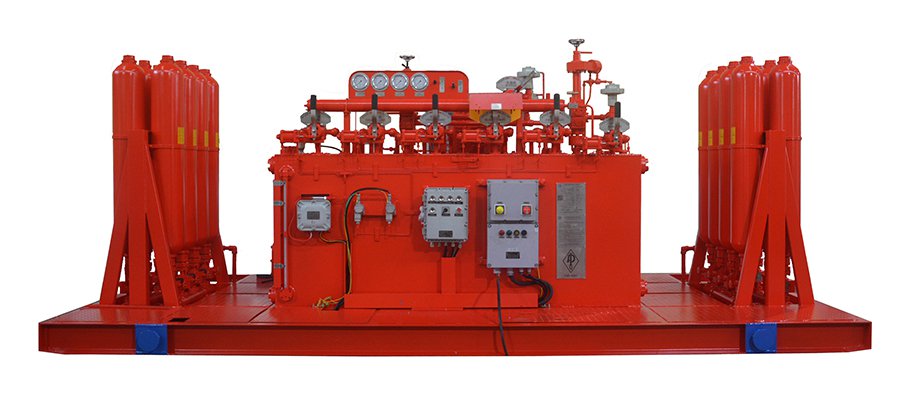
At the core of well control is the relationship between formation pressure and wellbore pressure. Formation pressure is the natural pressure of fluids trapped within rock formations. Wellbore pressure comes from the column of drilling mud inside the well. When wellbore pressure drops below formation pressure, fluids enter the well. Conversely, if pressure is too high, it can fracture the formation and cause fluid losses. For this reason, drilling teams continuously monitor pressure to keep the system stable.
Equally important, drilling mud plays several roles beyond pressure control. It cools the drill bit, carries cuttings to the surface, and stabilizes the wellbore. However, its most critical function is providing the correct hydrostatic pressure. Mud that is too light allows formation fluids to enter the well, while mud that is too heavy may damage the formation. Therefore, regular mud testing and adjustments are necessary to maintain safe drilling conditions.
In practice, blowouts rarely result from a single failure. Instead, they usually develop from a combination of technical and operational issues. Understanding these causes helps prevent incidents before they occur.
First and foremost, pressure imbalance is the leading cause of blowouts. Changes in drilling conditions, circulation losses, or incorrect mud density can reduce wellbore pressure. When hydrostatic control is lost, formation fluids begin to enter the wellbore, creating a situation known as a well kick.
Next, failure to recognize early warning signs can allow kicks to escalate. Indicators such as increased flow rate, pit volume gain, or unexpected pressure changes signal loss of control. If crews respond quickly, they can shut in the well and restore balance. However, delayed response increases the risk of uncontrolled flow.
Another important factor involves equipment reliability. Components such as valves, seals, and control systems must function properly to maintain pressure barriers. If these systems fail, the ability to control the well is weakened. Regular inspection and testing are therefore essential to ensure readiness during emergencies.
In addition, human error can contribute to blowout risk. Misinterpreting data, skipping procedures, or poor communication may prevent timely action. For this reason, training, clear protocols, and teamwork are critical elements of well control.
Finally, subsurface conditions can be unpredictable. Unexpected high-pressure zones or changes in formation properties may challenge drilling plans. Real-time monitoring and pressure modeling help teams adapt to these conditions safely.
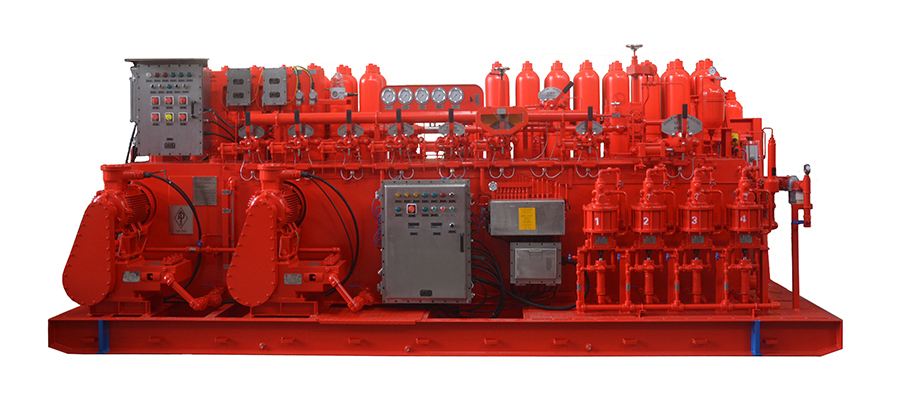
Once formation fluids enter the wellbore, escalation can occur rapidly. Gas kicks are especially dangerous because gas expands as it rises, increasing pressure and flow speed. This expansion can overload surface equipment and weaken pressure barriers. Without immediate shut-in procedures, the situation may develop into a full blowout.
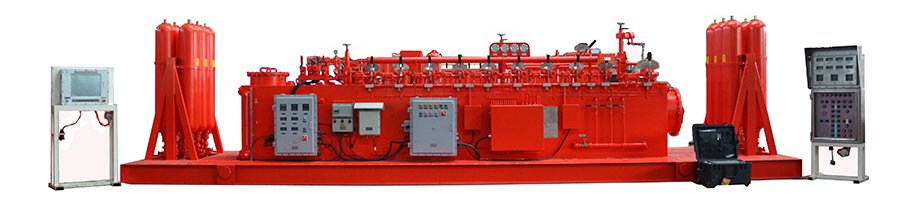
To control emergencies, drilling operations rely on blowout prevention equipment. Blowout preventers (BOPs) are installed at the wellhead to seal and control the well when abnormal pressure occurs. Annular and ram-type preventers work together to shut in the well and stop fluid flow. Equally important, these systems must be regularly tested to verify performance under high pressure. Surface pressure control equipment and high-pressure test units play a key role in confirming that safety systems operate correctly before and during drilling.
Today, modern drilling uses advanced methods to improve safety. Managed Pressure Drilling allows precise control of bottom-hole pressure through automated systems and real-time data. Additional practices include formation integrity testing and continuous pressure monitoring. These techniques reduce uncertainty and help maintain stable conditions in complex wells.
Ultimately, effective prevention requires a combination of engineering controls and disciplined procedures. Key practices include accurate pre-drill planning, continuous monitoring, reliable equipment maintenance, and regular crew training. When these elements work together, they form multiple layers of defense against loss of well control.
Importantly, industry investigations have shown that blowouts often involve multiple failures occurring over time. For example, the Deepwater Horizon oil spill highlighted the consequences of missed warning signs and equipment issues. Since then, regulations and safety standards have strengthened to reduce similar risks in future operations.
In conclusion, blowouts occur when pressure balance is lost and control systems fail to respond effectively. Preventing them requires accurate pressure management, reliable equipment, trained personnel, and continuous monitoring. By understanding the causes and implementing proven safety practices, drilling teams can protect workers, assets, and the environment while maintaining efficient operations.
Dongsu provides advanced solutions for well control safety, including high-pressure testing equipment and integrated systems designed to verify the reliability of critical components before deployment. If you are looking for a trusted blowout prevention system supplier, contact Dongsu to learn how our engineered solutions can support safer and more efficient drilling operations.
By continuing to use the site you agree to our privacy policy Terms and Conditions.