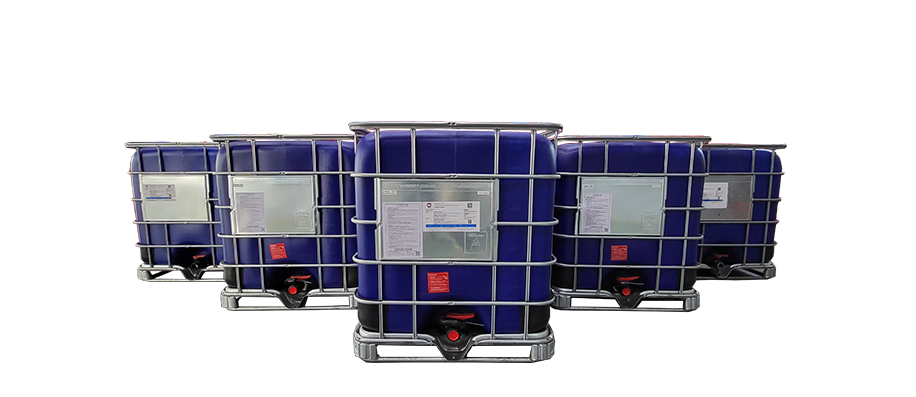
In modern industrial systems, hydraulic oil is far more than a simple fluid. In fact, it is a core working element that directly affects system efficiency, equipment lifespan, and operational safety. Because hydraulic systems often operate under high pressure, continuous load, and demanding environments, selecting the correct hydraulic oil is a critical engineering decision rather than a routine purchasing task.
For this reason, understanding the different types of hydraulic oil, their properties, and their appropriate industrial applications helps engineers and plant managers avoid performance losses, premature wear, and safety risks. This practical guide explains hydraulic oil types in a clear, structured way to support reliable industrial operation and informed decision-making.
To begin with, hydraulic oil is a non-compressible fluid used to transmit power within hydraulic systems. As pressure is applied, the fluid transfers force to actuators such as cylinders or motors, enabling controlled movement and load handling.
At the same time, hydraulic oil performs several essential secondary functions. It lubricates moving components, removes heat generated during operation, protects metal surfaces from corrosion, and helps carry contaminants toward filtration systems. Because all these roles occur simultaneously, the oil’s formulation has a direct impact on overall system stability and efficiency.
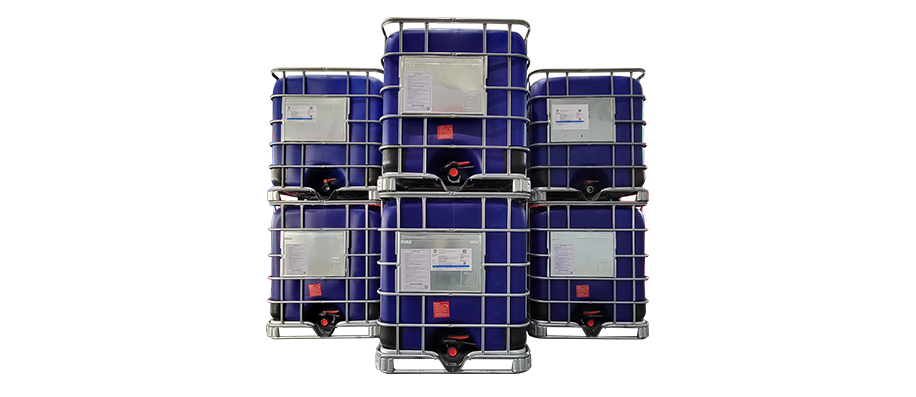
From a technical standpoint, hydraulic oils are primarily classified by their base oil composition, which determines performance characteristics and operating limits.
First and most commonly used are mineral-based hydraulic oils, derived from refined crude petroleum. These oils are widely applied across industrial sectors due to their cost-effectiveness and stable performance.
In practice, mineral hydraulic oils provide reliable lubrication, good thermal stability, and effective anti-wear protection when combined with modern additive packages. They are commonly used in manufacturing equipment, construction machinery, and general industrial hydraulic systems. However, under extremely high temperatures or in environmentally sensitive areas, their limitations become more apparent.
In contrast, synthetic hydraulic oils are chemically engineered to deliver higher performance under demanding conditions. As a result, they are often selected for high-pressure systems, extreme temperatures, or specialized safety requirements.
Phosphate ester-based hydraulic oils, For example, are known for their excellent fire resistance and thermal stability. These properties make them suitable for high-risk environments, although compatibility with seals and coatings must always be considered.
Polyol ester-based hydraulic fluids offer strong lubrication performance, good biodegradability, and stable viscosity over wide temperature ranges. These oils are frequently used in industrial systems requiring both performance and environmental responsibility.
Water-glycol hydraulic oil combines water and glycol to achieve fire resistance. While these fluids perform well in safety-critical environments, they operate within narrower temperature limits and require careful material compatibility checks.
In recent years, vegetable-based hydraulic oils have gained attention as environmentally friendly alternatives. Derived from renewable plant sources, these oils offer high lubricity, a naturally high viscosity index, and excellent biodegradability.
From an industrial perspective, vegetable hydraulic oils are commonly applied in outdoor equipment, mobile hydraulics, and operations located in environmentally sensitive areas. Although they may not replace all mineral or synthetic oils, they play an important role in sustainable hydraulic system design.
Beyond base oil composition, hydraulic oils are also classified by application-specific requirements, which further supports accurate selection.
Rapidly Biodegradable Hydraulic Oils
To address environmental regulations, rapidly biodegradable hydraulic oils are increasingly used in industries such as forestry, mining, and tunnel construction. These fluids minimize environmental impact while still providing reliable lubrication and system protection.
In high-temperature or flame-exposed environments, fire-resistant hydraulic oils are essential for risk reduction. Common types include high-water-content fluids, water-glycol oils, and phosphate ester fluids. Each offers a different balance between fire safety, lubrication, and maintenance requirements.
In food, beverage, and pharmaceutical industries, food-grade hydraulic oils are required to meet strict hygiene and safety standards. These oils protect hydraulic systems while reducing contamination risks in case of incidental contact with products. Compliance with standards such as HACCP and ISO guidelines is a key selection factor.
Certain sectors rely on highly specialized formulations. For example, aircraft hydraulic oils must perform under extreme pressure and temperature fluctuations, while agricultural hydraulic oils are designed to support long operating hours and variable outdoor conditions.
To better understand hydraulic oil behavior, it is important to consider several core properties.
Viscosity determines how easily the oil flows under pressure and temperature changes. Selecting the correct ISO viscosity grade ensures efficient power transfer and reduces wear.
Density influences contaminant suspension and system cleanliness, while oxidation stability affects oil lifespan and resistance to thermal breakdown. Together, these properties define how well the oil supports long-term system operation.
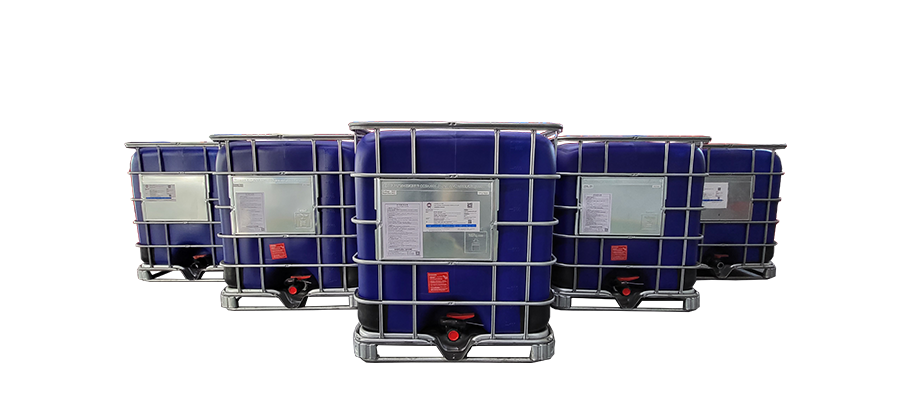
When selecting hydraulic oil, engineers must consider operating pressure, temperature range, environmental exposure, and safety requirements. Choosing oil based solely on cost often leads to higher maintenance expenses and system downtime.
Instead, proper hydraulic oil selection should align with equipment design specifications, working conditions, and industry standards. This approach ensures stable performance and reduces the risk of unexpected failures.
Using an incorrect hydraulic oil can lead to reduced system efficiency, seal damage, overheating, and accelerated component wear. Over time, these issues may compromise safety and increase operational costs, highlighting the importance of informed selection.
In summary, hydraulic oil is a critical component that directly influences industrial system reliability, efficiency, and safety. Understanding the different types of hydraulic oil and their appropriate applications allows engineers and operators to make informed, practical choices. By treating hydraulic oil selection as a system-level decision rather than a routine purchase, industrial users can significantly improve equipment performance and service life.
At Dongsu, we specialize in high-pressure testing systems and industrial equipment designed to operate safely and reliably under demanding hydraulic conditions. If you are working with high-pressure hydraulic systems or require professional testing and pressure control solutions, contact Dongsu today to explore proven technologies that support safe, efficient industrial operations.
By continuing to use the site you agree to our privacy policy Terms and Conditions.