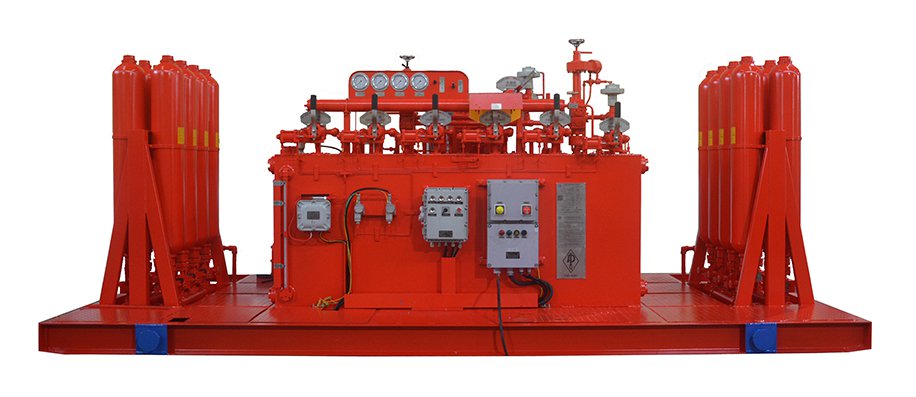
Blowout Preventers (BOPs) are essential safety devices used in oil and gas drilling operations to prevent blowouts, which are uncontrolled releases of oil, gas, or drilling fluids. A blowout can cause catastrophic damage to both the environment and the drilling team. BOPs play a critical role by acting as the last line of defense against high-pressure situations that could lead to dangerous eruptions from the wellbore. These devices ensure the safe and controlled flow of fluids during drilling, protecting both workers and the environment.
Well control is crucial to maintaining a safe drilling environment, as it ensures that pressure inside the well is kept at manageable levels. A BOP system is designed to prevent a blowout by sealing the well when high-pressure formation fluids are encountered. BOPs regulate well pressure through various sealing mechanisms, providing a crucial backup when the standard pressure control systems fail. In essence, BOPs ensure that well pressure remains stable during drilling, which is essential in preventing uncontrolled fluid releases that could otherwise escalate into a blowout.
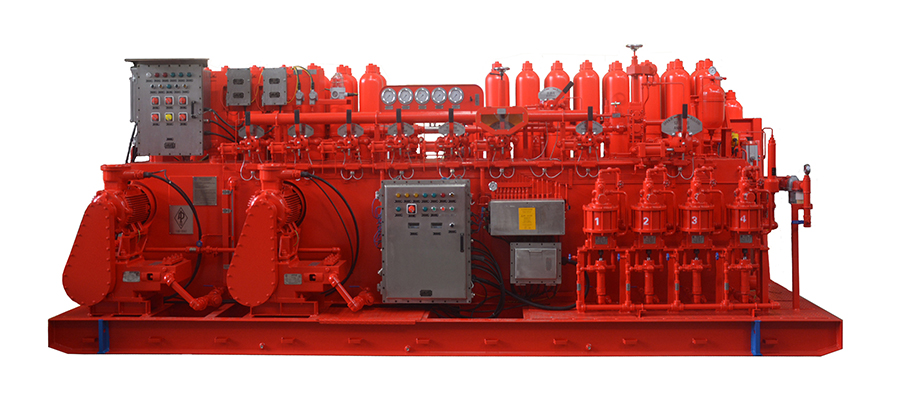
A typical Blowout Preventer (BOP) system consists of several key components that work together to control well pressure:
During drilling operations, the BOP system continuously monitors and manages well pressure. If the well pressure exceeds a safe threshold, the BOP automatically engages to seal the well, preventing any potential blowout. The system works by maintaining a balance of pressure between the formation and the wellbore. In normal operations, drilling mud, which is pumped into the well, exerts pressure on the wellbore. However, when there is a sudden influx of formation fluids, the BOP seals off the well to prevent the fluids from surging uncontrollably to the surface.
One of the critical functions of the BOP is to prevent well kicks — an early sign of well control loss. A well kick occurs when formation fluids begin to enter the wellbore due to an imbalance between the pressure in the well and the formation pressure. The BOP prevents these fluids from escaping by quickly sealing off the well, preventing a blowout.
Proper maintenance and testing are essential to ensure that BOPs are always ready to function when needed. Routine checks are necessary to confirm that the components of the BOP system, such as the rams, seals, and hydraulic components, are in good working order. Maintenance involves inspecting for wear and tear, ensuring that the control systems are functioning properly, and verifying that the BOP can seal the well effectively under pressure.
Testing BOPs before each well operation is mandated by industry standards, such as the American Petroleum Institute (API) specifications. BOP testing ensures that the system will operate effectively in case of a blowout. Without proper testing, the risk of failure increases significantly, which can lead to devastating consequences.
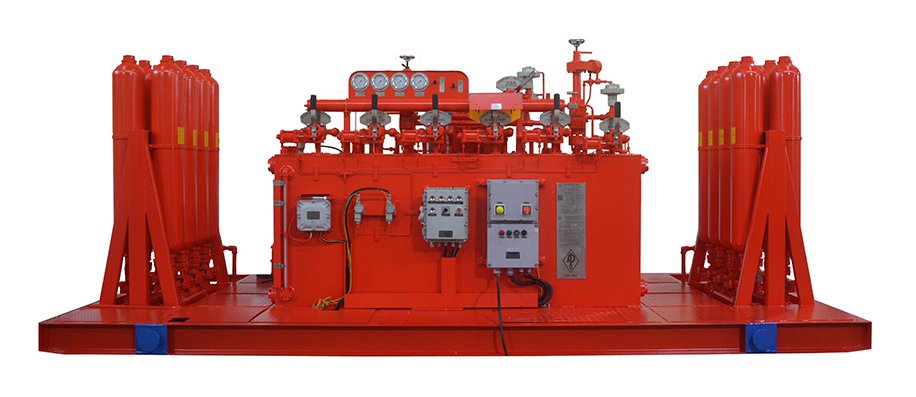
Despite the critical importance of BOP systems, challenges can arise during their operation. Hydraulic pressure issues, equipment failure, and human error are some of the most common challenges faced. A malfunctioning BOP can result in a catastrophic blowout, which highlights the importance of regular testing and maintenance. Additionally, BOPs can experience issues such as sealing failure or wear on moving parts, which may compromise their performance. Furthermore, the BOP stack is a complex system that requires precise coordination to ensure each component works correctly.
To ensure the safety and reliability of BOP systems, strict operational procedures must be followed. Operators must receive proper training to ensure that they can effectively use the BOP and respond to emergency situations. Regular drills, maintenance checks, and monitoring systems are essential to minimizing the risk of failure. Real-time data monitoring can help detect early warning signs, allowing operators to take corrective actions before an incident occurs. Following established best practices for BOP operation and maintenance can significantly reduce the risk of blowouts.
Advancements in BOP technology have improved both the safety and efficiency of drilling operations. Automated BOP systems are now available, which can automatically respond to pressure changes, further reducing the risk of human error. Additionally, innovations in materials and design have made modern BOPs more durable and capable of handling extreme conditions. The use of sensors and digital monitoring has also enabled real-time data analysis, allowing operators to make more informed decisions and react more quickly to pressure changes.
Blowout Preventers (BOPs) are an essential safety system in the oil and gas industry. Their role in maintaining well control and preventing blowouts cannot be overstated. By continuously monitoring well pressure, sealing the well during emergencies, and providing real-time data, BOP systems protect both personnel and the environment. To ensure BOPs function effectively, regular maintenance, testing, and operator training are crucial. As technology continues to evolve, modern BOP systems offer enhanced reliability and efficiency, further improving the safety of drilling operations.
If you're looking for high-quality, reliable BOP control systems, Dongsu offers advanced solutions designed to keep your oil and gas drilling operations safe and efficient. Contact us today for more information about our BOP systems and services, and ensure the safety of your operations with the best in blowout prevention technology!
By continuing to use the site you agree to our privacy policy Terms and Conditions.