In the high-stakes world of oil and gas extraction, safety and efficiency depend on one critical factor: managing the immense forces hidden beneath the earth. Well pressure control is the specialized engineering process used to monitor and regulate subsurface pressures during drilling, completion, and production. Without precise control, the sudden influx of formation fluids—known as a "kick"—can lead to catastrophic blowouts, making this the most vital safety discipline in the industry.
To understand how a well remains stable, we must look at the delicate balance between two opposing forces. During a standard drilling operation, the primary method of control is the hydrostatic pressure exerted by the drilling fluid, or "mud." By carefully adjusting the density of this fluid, engineers create a downward force that stays slightly higher than the natural pressure of the formation.
However, this balance is not static. If the mud density drops too low or if the drill bit hits a high-pressure gas pocket, the formation fluids will begin to push their way into the wellbore. This is the moment a "kick" occurs. Recognizing these early signs through flow meters and pressure sensors is the first step in preventing a major surface incident.
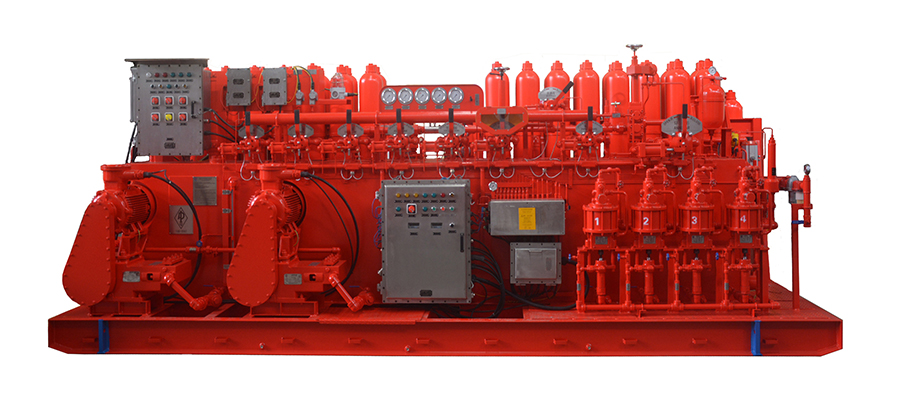
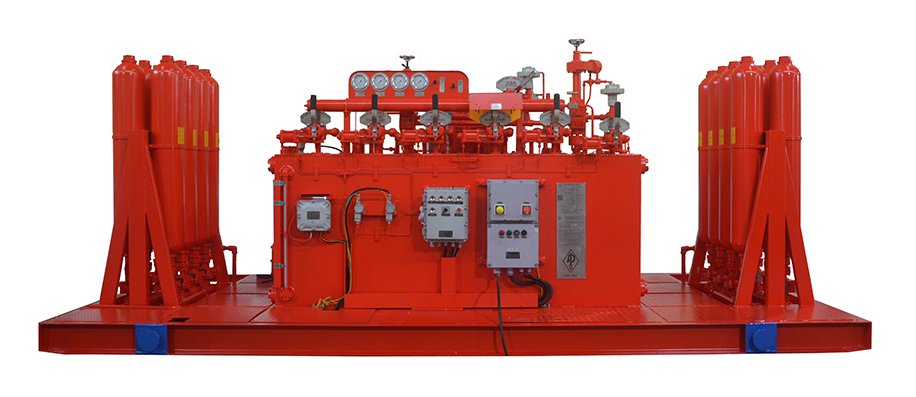
When the primary barrier of drilling mud is not enough to hold back the pressure, operators turn to secondary control methods. This is where the Blowout Preventer (BOP) system becomes the hero of the rig. A BOP is a massive specialized valve or series of valves installed at the wellhead that can be closed instantly to seal the well.
Modern operations rely heavily on surface-mounted BOP control systems. Over decades of development, these systems have evolved from simple manual levers to sophisticated hydraulic and pneumatic units. For instance, in challenging environments like the Tarim Oilfield, the industry has seen the successful implementation of wireless remote control BOP systems. These advanced units allow personnel to secure the well from a safe distance, ensuring that even if the rig floor becomes inaccessible, the pressure remains under control.
Closing the BOP is only half the battle; once the well is sealed, the trapped pressure must be safely circulated out. To manage this process, engineers use a Choke Manifold, which is a system of high-pressure piping and adjustable valves.
The Choke Manifold Control Panel acts as the brain of this operation. It allows the operator to precisely throttle the flow of fluids exiting the well. By opening or closing the choke valves in tiny increments, the crew can bleed off the high-pressure gas or salt water while maintaining enough back-pressure to keep the well stable. This level of granular control is essential for returning the well to a "killed" or safe state.
Because well control equipment sits idle for most of its life—waiting for an emergency—its reliability must be guaranteed through rigorous verification. A failure during a pressure spike is not an option. This is why High Pressure Test Units are standard equipment on every professional job site.
These pneumatic or hydraulic test units subject the BOP, valves, and manifolds to pressures often exceeding 1500 bar. By simulating extreme downhole conditions before drilling even begins, companies can identify weak seals or structural fatigue. Ensuring that the control fluid used in these systems is of the highest quality further protects the internal components from corrosion and mechanical wear.
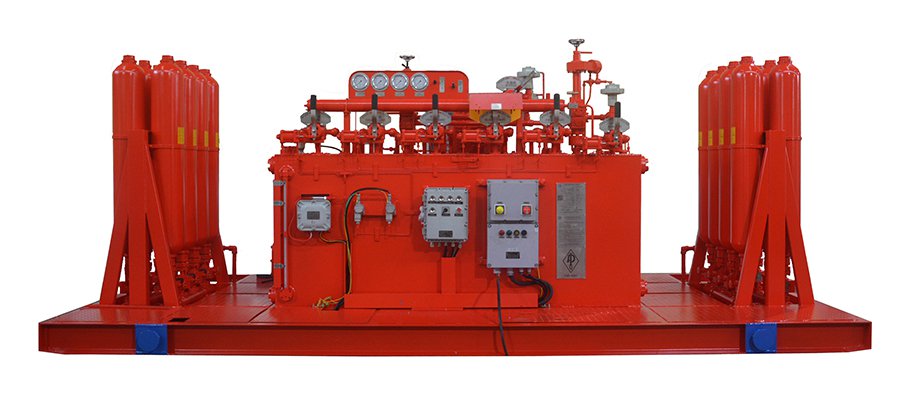
Choosing the right equipment is a decision that impacts the safety of the entire crew and the surrounding environment. Leading manufacturers now utilize high-precision tools, such as five-axis machining centers and CNC grinding machines, to produce parts that meet strict API standards. With thousands of systems deployed globally—from the Middle East to Central Asia—the industry has moved toward integrated solutions that combine hardware manufacturing with technical service and maintenance training.
As a pioneer in the industry since the early 1980s, Dongsu Petroleum D&E Equipment Co., Ltd. understands that there is no room for error in pressure control. With over 300 sets of professional processing equipment and a team of 30+ senior engineers, we provide the global oil and gas sector with field-proven solutions.
With more than 6,000 sets of equipment delivered to major oilfields worldwide, Dongsu is your trusted partner for high-quality, efficient, and safe drilling operations. Contact us today to discuss your project requirements and let our 40 years of expertise secure your next well.
By continuing to use the site you agree to our privacy policy Terms and Conditions.