In oil and gas drilling, maintaining well control is essential for safe and efficient operations. Among all potential risks, a well kick is one of the most critical warning events. It signals that the pressure balance inside the well has been disturbed. If not handled properly, a kick can quickly develop into a blowout.
Understanding what happens when a well kick occurs helps drilling teams respond quickly and effectively. It also highlights the importance of reliable equipment such as the BOP control system and choke manifold in managing well pressure.
To begin with, a well kick refers to the unwanted entry of formation fluids—such as gas, oil, or water—into the wellbore. This situation occurs when the pressure exerted by the drilling fluid is lower than the formation pressure.
Under normal conditions, drilling mud creates enough hydrostatic pressure to keep formation fluids in place. However, when this balance is lost, fluids begin to flow into the well. This is the starting point of a well control issue.
Before looking at the process, it is important to understand why kicks occur. In most cases, the root cause is pressure imbalance. Several common factors can lead to this condition.
One major cause is insufficient mud weight. If the drilling fluid density is too low, it cannot counteract formation pressure. Another cause is the swab effect during tripping operations, where pulling the drill string out of the hole reduces bottom-hole pressure.
In addition, failure to keep the well filled with drilling fluid during tripping can lower the fluid column pressure. Loss of circulation is also a key factor, as it reduces the effective pressure inside the well.
Although these causes may seem different, they all lead to the same result: a drop in wellbore pressure below formation pressure.
When a kick begins, it usually presents clear warning signs. Recognizing these signs early is essential for preventing escalation.
During drilling, one common sign is an increase in return flow. Even when the pump is stopped, fluid may continue to flow out of the well. Another indicator is a rise in the mud pit volume, often called pit gain.
At the same time, operators may notice a drop in pump pressure or changes in drilling parameters. During tripping operations, abnormal fill volumes or fluid overflow can also signal a kick.
These indicators provide valuable time for operators to take action. Early detection is one of the most effective ways to maintain well control.
Once a kick occurs, several changes take place inside the well. First, formation fluids begin to enter the wellbore and mix with the drilling fluid. This changes the overall density of the fluid column.
As a result, the hydrostatic pressure decreases further, allowing more formation fluid to enter. This creates a cycle where pressure imbalance continues to grow.
If gas is involved, the situation becomes more critical. As gas rises toward the surface, it expands due to decreasing pressure. This expansion increases the volume and accelerates the upward flow, making the well more unstable.
At this stage, the well is no longer in a controlled condition and requires immediate action.
If a kick is not controlled in time, it can escalate into a blowout. This happens when formation fluids reach the surface uncontrollably.
The key factor in this process is gas expansion. As gas moves upward, it expands rapidly, increasing pressure in the wellbore. At the same time, the drilling fluid is displaced, further reducing hydrostatic pressure.
Without intervention, this chain reaction leads to loss of all pressure control barriers. Eventually, the well can no longer contain the formation fluids, resulting in a blowout.
This progression shows why quick and effective response is critical once a kick is detected.
When a well kick is confirmed, the first step is to shut in the well. This action prevents additional formation fluids from entering the wellbore.
Shut-in procedures are carried out using the blowout preventer (BOP). The BOP seals the well at the surface, allowing operators to regain control of the situation.
There are two common methods: hard shut-in and soft shut-in. The choice depends on well conditions and operational requirements. Regardless of the method, the goal is the same—to isolate the well and stabilize pressure.
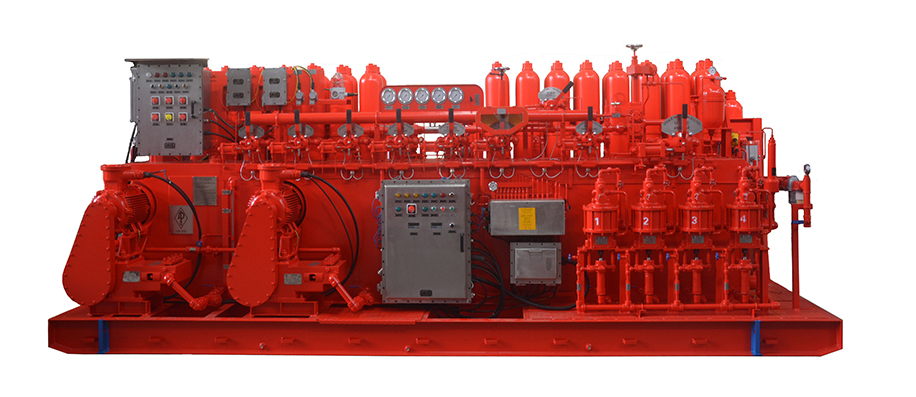
A reliable BOP control system is essential at this stage, as it ensures fast and accurate operation of the BOP equipment.
After the well is shut in, the next step is to remove the influx and restore pressure balance. This is done through controlled circulation.
Using a choke manifold, operators regulate the flow of fluids while maintaining back pressure on the well. This process allows the influx to be circulated out safely without causing further pressure imbalance.
Two widely used methods are the driller’s method and the wait-and-weight method. Both aim to maintain constant bottom-hole pressure while removing formation fluids from the well.
Accurate pressure control during this stage is critical. Any mistake can worsen the situation or damage the well.
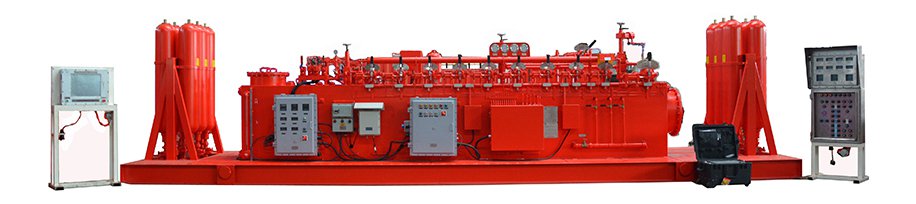
Managing a well kick requires coordinated use of multiple systems. The BOP stack provides physical sealing capability, while the BOP control system ensures that the equipment operates correctly.
At the same time, the choke manifold control panel allows precise adjustment of flow and pressure during circulation. The mud system supports pressure recovery by maintaining proper fluid density.
These systems work together to form a complete well control solution. Their reliability directly affects the outcome of kick management.
If a well kick is not handled properly, the consequences can be severe. The most serious outcome is a blowout, which can lead to fire, explosion, and environmental damage.
In addition, uncontrolled pressure can damage equipment and cause loss of the well. These risks highlight the importance of proper procedures and reliable equipment.
Effective well control depends not only on technology but also on operator awareness and timely response.
To reduce the risk of well kicks, operators must follow proven practices. Maintaining correct mud weight is essential to ensure pressure balance. Continuous monitoring of flow and pit volume helps detect early signs of kicks.
In addition, proper tripping procedures should be followed to avoid pressure fluctuations. Regular training ensures that crews can respond quickly and correctly.
Routine inspection and testing of equipment, including the BOP control system and choke manifold, are also critical. These steps help ensure that all systems are ready when needed.
A well kick is a critical event that signals the loss of pressure balance in a well. From the initial influx of formation fluids to the risk of blowout, each stage requires careful control and timely action.
Early detection, rapid shut-in, and controlled circulation are the key steps in managing a kick. Reliable systems such as the BOP control system and choke manifold control panel play a vital role in this process.
By combining proper procedures with dependable equipment, drilling teams can effectively manage well kicks and maintain safe operations.
Dongsu is a professional provider of well control solutions, including advanced BOP control systems and choke manifold control panels. As a trusted BOP Control System supplier, Dongsu delivers reliable equipment designed for precise pressure control, fast response, and long-term performance in demanding oilfield environments.
Contact Dongsu today to enhance your well control capabilities and ensure safer drilling operations.
By continuing to use the site you agree to our privacy policy Terms and Conditions.