In oil and gas operations, drilling a well is a complex and highly technical process. It involves working under high pressure, deep underground conditions, and strict safety requirements. Because of this, reliable equipment is essential at every stage.
From the drilling rig to the BOP control system and choke manifold, each piece of equipment plays a specific role in ensuring safe and efficient operations. Understanding these systems helps operators improve performance, reduce risks, and maintain well control throughout the drilling process.
Before looking at individual equipment, it is important to understand that drilling relies on multiple systems working together. A drilling operation is not powered by a single machine, but by a combination of integrated systems.
These systems typically include the hoisting system, rotating system, circulating system, and well control system. Each system has a unique function, but all must operate in coordination. This integration ensures that drilling progresses smoothly while maintaining safety and pressure balance.
At the center of any drilling operation is the drilling rig. This structure supports all other equipment and provides the working platform for the crew.
The main components include the derrick or mast, which holds the drill string vertically, and the drill floor, where most operations take place. In addition, the power system—usually diesel engines or electric motors—supplies energy to the entire setup.
Without a stable and well-designed rig, it would not be possible to handle the heavy loads and dynamic forces involved in drilling.
Once the rig is in place, the hoisting system is responsible for lifting and lowering the drill string. This system handles heavy loads and ensures smooth movement during drilling and tripping operations.
Key components include the drawworks, drilling line, and traveling block with hook. Together, these parts allow operators to control the position and weight of the drill string with precision.
Proper operation of the hoisting system is critical, as any failure can lead to mechanical accidents or loss of control.
While the hoisting system manages movement, the rotating system provides the force needed to drill into the earth. This system turns the drill bit, allowing it to cut through rock formations.
The main components include the rotary table or top drive, the drill string, and the drill bit. The top drive system is widely used in modern rigs because it offers better control and efficiency.
By transmitting rotational energy from the surface to the drill bit, this system enables both vertical and directional drilling.
In addition to mechanical systems, fluid circulation plays a key role in drilling. The mud circulation system is responsible for maintaining well stability and controlling pressure.
This system includes mud pumps, mud tanks, and solids control equipment such as shale shakers. Drilling fluid is pumped down the drill string and returns to the surface carrying rock cuttings.
At the same time, the fluid cools the drill bit and provides hydrostatic pressure to balance formation pressure. This helps prevent well kicks and supports safe drilling conditions.
Among all systems, the well control system is the most critical for safety. It is designed to prevent uncontrolled flow of formation fluids and protect both personnel and equipment.
The core component is the blowout preventer (BOP), which can seal the well in emergency situations. Supporting equipment includes the choke manifold and kill manifold, which help regulate pressure during well control operations.
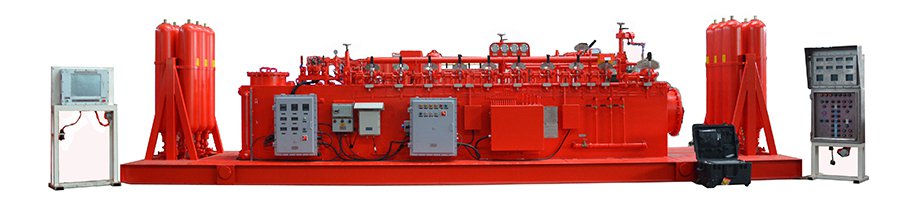
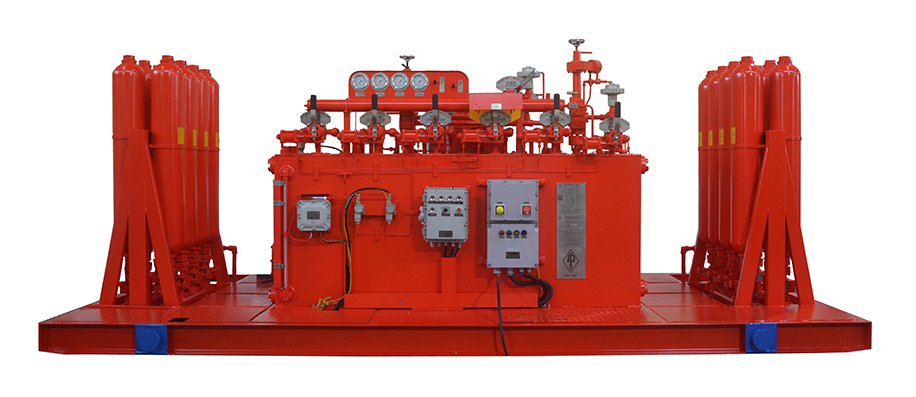
Equally important is the BOP control system, which allows operators to activate the BOP quickly and reliably. This system ensures that the BOP functions correctly when needed.
Together, these components form a complete barrier against blowouts and are essential for maintaining well integrity.
As drilling operations become more advanced, monitoring systems have become increasingly important. These systems provide real-time data that helps operators make informed decisions.
Key instruments include pressure sensors, flow meters, and gas detection systems. They track changes in well conditions and provide early warning signs of potential problems.
For example, abnormal flow or pressure readings can indicate a well kick. Early detection allows operators to take action before the situation escalates.
In addition to the main systems, several auxiliary devices support drilling operations. These include generators, air compressors, and pipeline systems.
Although they may not be directly involved in drilling, they are essential for maintaining stable operations. They provide power, support equipment functions, and ensure that all systems run efficiently.
Without these supporting components, the overall performance of the drilling system would be compromised.
While each system has its own function, drilling success depends on their coordination. The hoisting system positions the drill string, while the rotating system drives the drill bit.
At the same time, the mud circulation system maintains pressure balance and removes cuttings. Meanwhile, the well control system stands ready to respond to any abnormal conditions.
This coordinated operation ensures that drilling progresses safely and efficiently. If any system fails, the entire operation may be affected.
Oil well drilling requires a wide range of specialized equipment, each designed to handle specific tasks under challenging conditions. From structural components to advanced control systems, every part plays a role in maintaining safety and efficiency.
Among these, well control equipment such as the BOP, choke manifold, and BOP control system is especially important. These systems protect the well from pressure-related risks and ensure that operators can respond quickly to unexpected events.
By understanding how these systems work together, operators can improve drilling performance and reduce the likelihood of accidents.
Dongsu is a trusted provider of advanced well control solutions, including high-quality BOP control systems and choke manifold control panels. As a professional supplier in the oil and gas industry, Dongsu offers reliable products designed for accurate pressure control, fast response, and long service life.
If you are looking for a dependable partner to enhance your drilling safety and efficiency, contact Dongsu today and explore our complete range of well control equipment.
By continuing to use the site you agree to our privacy policy Terms and Conditions.