Hydraulic systems are widely used in oil and gas drilling, industrial machinery, BOP control systems, and pressure control equipment. In these systems, valves play a critical role in maintaining safe and stable operation. Among the most common components are the hydraulic check valve and the relief valve. Although both are important for hydraulic safety, their functions are very different.
Understanding the difference between these two valves helps operators choose the correct component for pressure control, backflow prevention, and equipment protection. In oilfield applications, using the wrong valve or maintaining it improperly can affect system reliability and increase operational risks.
To begin with, a hydraulic check valve is a one-way valve designed to allow hydraulic fluid to flow in only one direction. Its main purpose is to prevent reverse flow inside a hydraulic system.
The working principle is simple. When hydraulic fluid moves in the correct direction, system pressure pushes the valve element open, allowing fluid to pass through the valve body. If the flow reverses, the valve closes automatically and blocks the reverse movement of fluid.
Because of this function, hydraulic check valves are commonly installed in:
In oilfield drilling systems, hydraulic check valves help maintain pressure stability and protect pumps, actuators, and control components from damage caused by backflow.
For example, in a BOP hydraulic control unit, a check valve prevents hydraulic oil from flowing backward into the pump system when pressure conditions change suddenly. This helps maintain reliable well control performance during drilling operations.
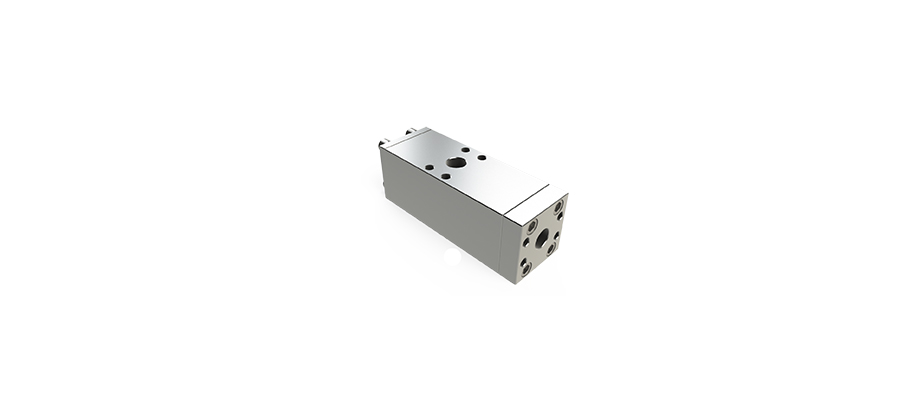
In practical applications, hydraulic check valves provide several important benefits.
First of all, the valve stops fluid from reversing direction. This protects sensitive hydraulic equipment and keeps pressure stable throughout the system.
In addition, check valves help hold pressure inside hydraulic circuits. This is especially important in accumulator systems and BOP control panels where pressure retention is necessary for emergency operation.
Another key function is equipment protection. Reverse flow can damage pumps, seals, and actuators. A properly installed hydraulic check valve reduces this risk and improves system reliability.
In oilfield applications, maintaining stable hydraulic pressure is critical for well control operations. Hydraulic check valves support safe operation in choke manifold systems, BOP stacks, and pressure control equipment.
While a check valve controls flow direction, a relief valve controls system pressure.
A hydraulic relief valve is a safety device designed to release excess pressure when the pressure inside a hydraulic system exceeds a preset limit. Once pressure rises above the valve setting, the relief valve opens automatically and allows hydraulic fluid to bypass or return to the reservoir.
When pressure drops back to a safe level, the valve closes again.
Relief valves are commonly used in:
In drilling operations, relief valves help protect hydraulic systems from excessive pressure that could damage hoses, pipelines, pumps, or valves.
Compared with check valves, relief valves focus mainly on pressure protection.
Most importantly, relief valves prevent system pressure from exceeding safe operating limits. This protects hydraulic equipment from failure.
Excessive pressure can damage pumps, fittings, and hydraulic lines. Relief valves reduce this risk by safely releasing pressure when necessary.
In oilfield operations, pressure spikes can occur during drilling, well control, or hydraulic actuation. Relief valves help reduce safety risks and support stable equipment performance.
Relief valves are widely used in BOP control systems and choke manifold hydraulic systems where pressure management is critical.
Although both valves are important in hydraulic systems, their purposes are completely different.
Feature Hydraulic Check Valve Relief Valve Main Function Prevent backflow Limit system pressure Working Principle Operates based on flow direction Operates based on pressure level Flow Direction One-way flow only Opens when pressure exceeds setting Safety Purpose Protects against reverse flow Protects against overpressure Common Installation Area Pump outlets, hydraulic lines High-pressure circuits Typical Oilfield Application BOP hydraulic systems Pressure control units
Simply put, a check valve controls flow direction, while a relief valve controls pressure limits.
In many oilfield hydraulic systems, both valves work together to maintain safety and stable operation.
In modern drilling operations, hydraulic check valves and relief valves are often installed in the same hydraulic circuit.
For example, in a surface BOP control system:
Similarly, in choke manifold control systems, check valves maintain directional flow while relief valves help stabilize operating pressure during well control operations.
This combination improves:
Because oilfield systems operate under high pressure, proper valve selection is essential for safe drilling operations.
Selecting the correct valve depends on system requirements.
If the goal is to stop reverse flow and maintain directional control, a hydraulic check valve is usually required.
If the system needs protection from excessive pressure, a relief valve should be installed.
In many industrial hydraulic systems, engineers use both valve types together to improve operational safety.
When selecting valves for oilfield applications, operators should consider:
High-pressure drilling systems often require durable valves designed for harsh operating environments.

Regular maintenance helps ensure long-term hydraulic system reliability.
For hydraulic check valves, operators should inspect:
For relief valves, operators should verify:
Routine inspection is especially important in BOP hydraulic systems and choke manifold control panels where pressure control is directly related to well safety.
Preventive maintenance can reduce downtime, improve equipment life, and lower operational risk.
Hydraulic check valves and relief valves are both essential components in oilfield hydraulic systems, but they perform different functions. A hydraulic check valve prevents reverse flow and helps maintain pressure stability, while a relief valve protects the system from excessive pressure buildup.
In drilling operations, BOP control systems, and choke manifold applications, both valves work together to improve safety, protect equipment, and support reliable pressure control. Understanding the differences between these valves helps operators select the correct hydraulic components for each application.
As a professional supplier of oilfield pressure control equipment, Dongsu provides reliable hydraulic solutions for drilling and well control operations. Dongsu products are widely used in BOP control systems, choke manifold systems, and high-pressure hydraulic applications. With strong manufacturing capability and industry experience, Dongsu supports customers worldwide with dependable hydraulic components designed for safe and efficient oilfield operations.
By continuing to use the site you agree to our privacy policy Terms and Conditions.