In oil and gas drilling operations, well control equipment must perform reliably under extreme conditions. Among all safety systems, the Blowout Preventer (BOP) control system plays a critical role in preventing uncontrolled releases of formation fluids. However, the reliability of this system cannot be assumed—it must be verified through systematic testing.
In this context, high pressure test units are essential tools used to validate the integrity and performance of surface BOP control systems. These units simulate real operating pressures and help ensure that every component can function safely when needed.
To understand the importance of high pressure test units, it is necessary to look at the role of the BOP control system. This system is responsible for activating BOP functions such as closing rams, sealing the wellbore, and maintaining pressure control during critical situations.
However, over time, components such as valves, seals, pipelines, and hydraulic circuits may degrade due to wear, corrosion, or operational stress. Without proper testing, these hidden issues may go unnoticed until a failure occurs.
Therefore, integrity testing is not just a routine task—it is a key safety requirement. It ensures that the system responds correctly under pressure and meets operational and regulatory standards.
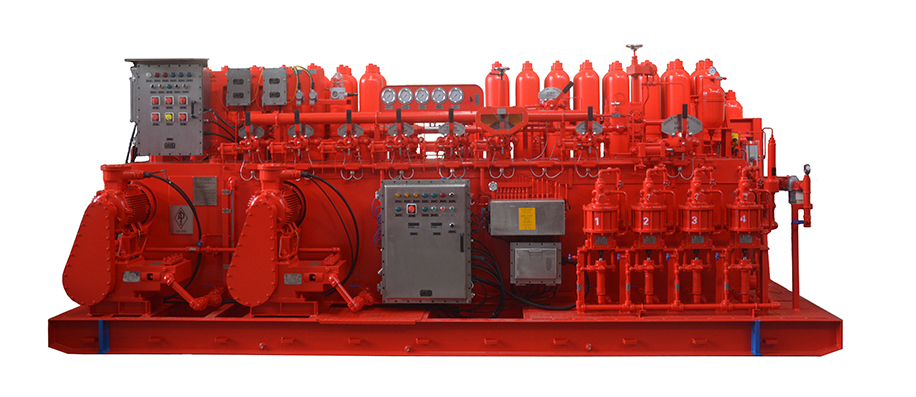
Before discussing its role, it is helpful to define what a high pressure test unit is. A high pressure test unit is a specialized system designed to generate and control high-pressure fluid, typically hydraulic oil or water, to test equipment performance.
These units usually include pumps, pressure gauges, control valves, reservoirs, and safety devices. They are capable of delivering controlled pressure levels that match or exceed actual operating conditions in the field.
As a result, they provide a safe and controlled way to verify whether the BOP control system can withstand and operate under real-world pressures.
When applied to surface BOP control systems, high pressure test units serve several important functions. Each function contributes to overall system reliability and safety.
First of all, high pressure test units are used to verify the pressure-bearing capacity of the system. By applying controlled pressure to pipelines, valves, and connections, operators can confirm that there are no leaks or weak points.
This process helps ensure that the system can maintain pressure without failure during actual drilling operations.
In addition to pressure testing, these units support functional testing. Operators can simulate real operating conditions and observe how control components respond.
For example, they can test whether hydraulic valves open and close correctly, whether actuators respond quickly, and whether control signals are transmitted accurately. This ensures that the system performs as expected during emergency situations.
Another critical role is leak detection. Even small leaks can reduce system efficiency and compromise safety. High pressure testing helps identify leaks in seals, joints, and fittings that may not be visible under normal conditions.
By detecting these issues early, operators can carry out repairs before the system is put into service.
Moreover, high pressure test units are used for calibration. Pressure gauges, sensors, and transmitters must provide accurate readings to support decision-making.
Through testing, operators can compare actual pressure values with instrument readings and adjust them if necessary. This ensures reliable monitoring during drilling operations.
To achieve accurate results, testing must follow structured procedures. While specific steps may vary, the general process includes preparation, pressurization, monitoring, and evaluation.
First, the system is isolated and filled with test fluid. Then, pressure is gradually increased using the test unit. During this stage, operators carefully monitor pressure stability and check for leaks.
After reaching the required pressure level, the system is held for a specified period. Finally, results are recorded and analyzed to confirm whether the system meets required standards.
Using high pressure test units brings several practical benefits to drilling operations.
Most importantly, they improve safety by ensuring that the BOP control system is fully functional before use. This reduces the risk of failure during critical well control events.
In addition, they help reduce downtime. By identifying and fixing issues early, operators can avoid unexpected breakdowns that may interrupt drilling operations.
Furthermore, regular testing supports compliance with industry standards and regulations. Many safety guidelines require documented testing to verify equipment integrity.
Finally, these units contribute to cost efficiency. Preventing major failures and accidents can save significant operational and repair costs.
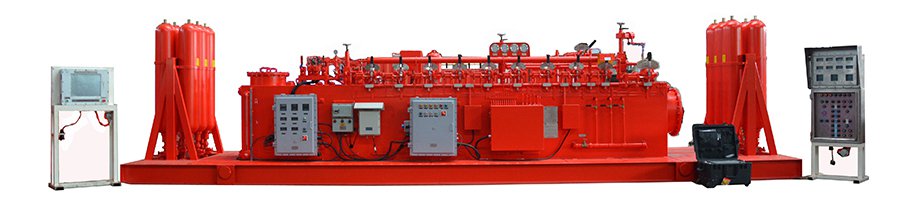
As drilling technology evolves, BOP control systems are becoming more advanced and automated. High pressure test units are also adapting to these changes.
Modern test units can integrate with digital monitoring systems, allowing real-time data recording and analysis. This improves testing accuracy and makes it easier to track system performance over time.
In addition, automated testing procedures reduce human error and improve consistency. This is especially important in complex drilling environments where precision is critical.
To maximize the effectiveness of high pressure testing, operators should follow several best practices.
Regular testing schedules should be established based on operational requirements. Equipment should be inspected before and after testing to ensure proper condition.
It is also important to use calibrated instruments and maintain accurate records of test results. Proper training for personnel is essential to ensure that testing procedures are carried out correctly.
By following these practices, operators can maintain a high level of system reliability and safety.
In summary, high pressure test units play a vital role in ensuring the integrity of surface BOP control systems. They provide a reliable method to verify pressure resistance, detect leaks, test functionality, and validate system performance.
Without proper testing, even well-designed systems may fail under real operating conditions. Therefore, integrating high pressure testing into routine maintenance is essential for safe and efficient drilling operations.
Dongsu is committed to delivering reliable well control solutions, including advanced testing and control equipment. As a trusted partner in the industry, Dongsu supports operators with high-quality systems designed to improve safety, efficiency, and performance in demanding oilfield environments.
By continuing to use the site you agree to our privacy policy Terms and Conditions.