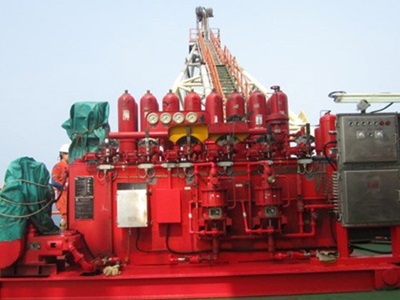
Well intervention is an essential technology used throughout oil and gas field development to maintain, repair, and improve the performance of existing wells. Unlike drilling operations that create new wells, well intervention focuses on managing wells that are already in production or require further evaluation.
During long-term production, oil and gas wells are continuously affected by formation changes, sand production, wax deposition, corrosion, pressure fluctuations, and equipment wear. These issues can gradually reduce production efficiency or even cause unexpected shutdowns. Through professional well intervention operations, operators can restore production, improve reservoir performance, and extend the service life of oil and gas wells.
Because most intervention activities are performed under complex underground conditions and involve high-pressure environments, strict operational procedures and reliable surface control equipment are essential to ensure personnel safety and well integrity.
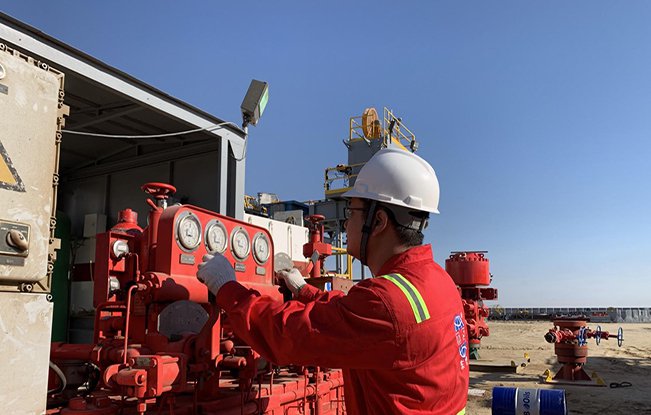
Well intervention operations generally include well maintenance, workover operations, reservoir stimulation, and well testing. These activities require specialized tools, experienced technicians, and effective pressure management systems.
Well maintenance is mainly carried out to restore normal production when problems occur during oil and water well operation.
Common issues include sand accumulation, salt deposition, wax blockage, pump failures, tubing damage, sucker rod failures, and other downhole equipment problems. Maintenance operations may involve pump inspection and replacement, sand cleaning, wax removal, water shutoff treatments, and simple downhole accident handling.
For example, pump inspection requires pulling and reinstalling sucker rods, tubing, and downhole pumps. Accurate depth calculation, proper equipment selection, and qualified components are important factors in improving pump efficiency and maintaining stable production.
Water injection wells also require regular maintenance and testing. Injection testing helps evaluate injection pressure, formation response, and water absorption performance before implementing a long-term water injection program.
When serious downhole failures occur, well workover operations are required to restore production or prevent permanent well damage.
Typical workover activities include:
Downhole accident treatment
Fishing operations
Casing repair
Sidetracking
During production, tools, tubing components, sucker rods, or other equipment may accidentally fall into the well, creating operational difficulties. Fishing operations are used to recover these downhole objects with specialized tools such as fishing spears, overshots, junk baskets, and magnetic fishing tools.
Casing damage is another common challenge in mature oilfields. Long-term production, repeated workover operations, and mechanical stress may cause casing deformation, cracks, or leaks. Repair methods include casing reshaping, casing patching, and sidetracking to restore well functionality.
These operations require accurate diagnosis, carefully designed procedures, and strict control of downhole conditions.
As oilfields mature, reservoir permeability and production capacity may decline. Reservoir stimulation techniques are therefore applied to improve oil and gas flow.
The two most common stimulation methods are acidizing and hydraulic fracturing.
Acidizing involves injecting specially prepared acid fluids into the formation to dissolve blockages, improve permeability, and restore flow channels. It is widely used in carbonate and sandstone reservoirs.
Hydraulic fracturing uses high-pressure fluids to create fractures in the formation. Proppants are then placed inside these fractures to prevent closure and maintain high-permeability flow paths. This technology is especially effective for low-permeability reservoirs and can significantly improve production rates.
During stimulation operations, accurate pressure monitoring and reliable control systems are critical to ensure safe and efficient treatment execution.
Well testing is an important part of oilfield exploration and development. It is used to directly evaluate oil, gas, and water-bearing formations and obtain important production data.
The testing process usually includes:
Well preparation and cleaning
Pressure control operations
Perforation
Testing string installation
Flowback and production evaluation
Pressure measurement
Through well testing, operators can determine formation pressure, production capacity, fluid properties, and reservoir characteristics.
Since testing operations often involve pressure changes and potential well control risks, dependable pressure control equipment is required throughout the process.
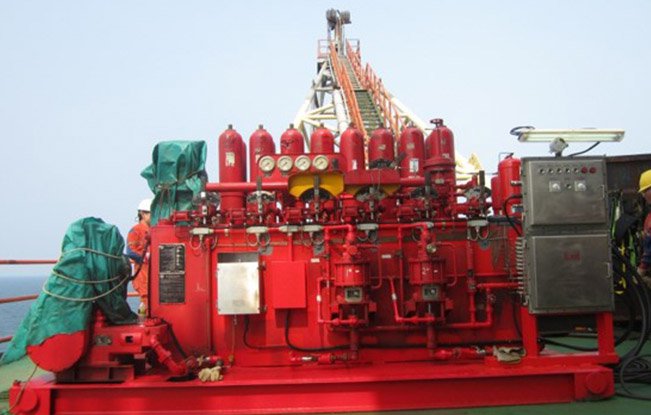
Safety and pressure management are among the most important challenges in well intervention operations. During maintenance, workover, testing, and stimulation activities, unexpected pressure changes can create serious risks if not properly controlled.
A surface BOP control system provides reliable operation and monitoring of blowout preventers, helping operators maintain well control during critical operations.
Controlling surface BOP equipment
Supporting emergency shut-in operations
Maintaining safe pressure conditions
Improving operational reliability
Protecting personnel and equipment
In addition to BOP control systems, pneumatic pressure test units and choke manifold control panels are essential components for pressure testing, system verification, and safe oilfield operations.
Guangzhou Dongsu Petroleum D&E Equipment Co., Ltd. is a pioneering leader in China’s surface BOP control system manufacturing.
Since the early 1980s, Dongsu has specialized in the research and development, design, and production of surface BOP control systems, pneumatic pressure test units, and choke manifold control panels.
With decades of industry experience, the company has built strong expertise in oilfield pressure control solutions and equipment manufacturing.
To provide professional technical support for global customers, Dongsu established a dedicated Technical Service & Training Center in 2017, integrating equipment training, maintenance, testing, and retrofitting services.
By combining advanced manufacturing capabilities with comprehensive technical support, Dongsu continues to help oilfield operators improve safety, efficiency, and reliability throughout well intervention operations.
By continuing to use the site you agree to our privacy policy Terms and Conditions.