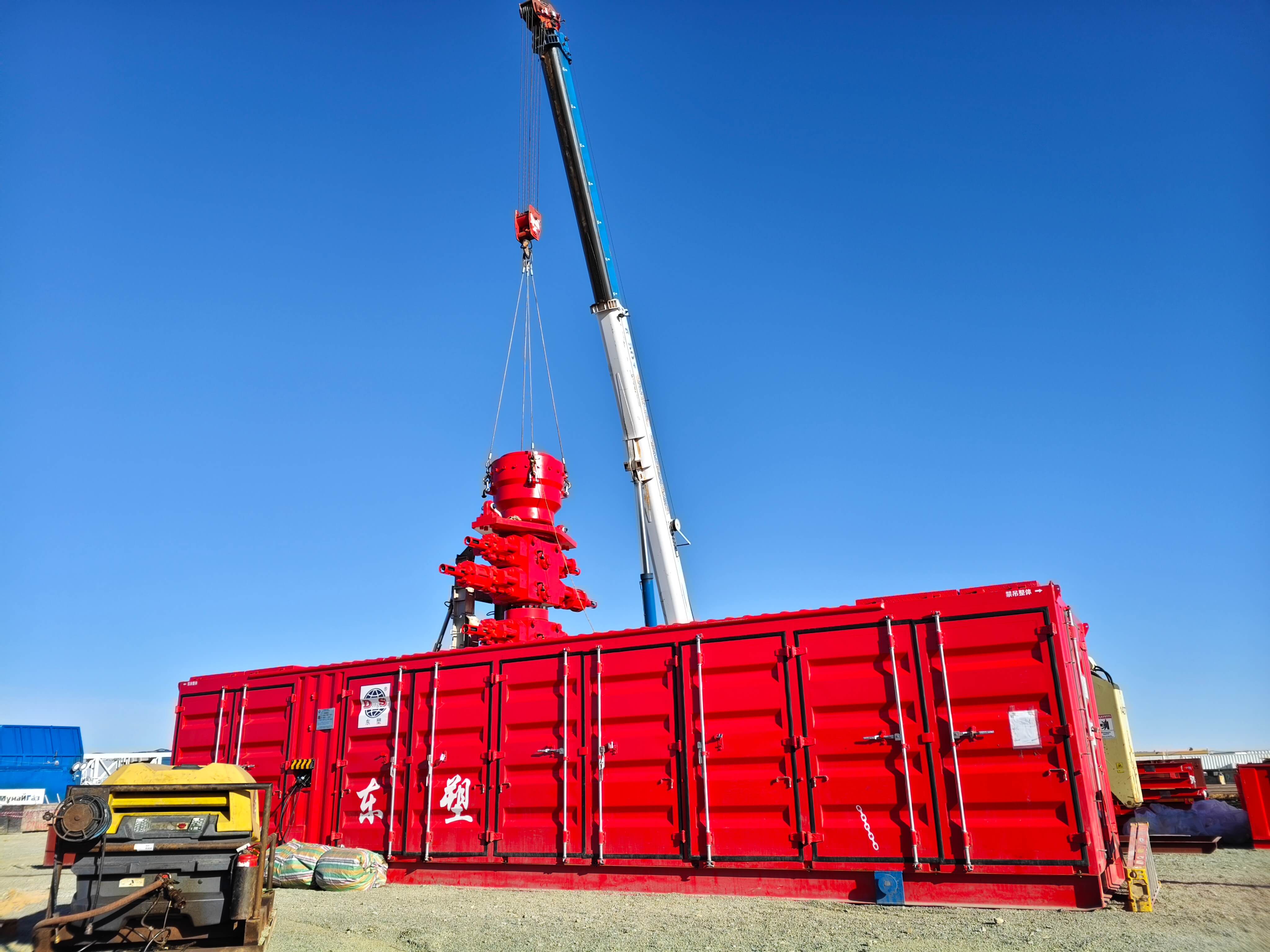
The oil and gas industry is a complex system that involves multiple stages, including exploration, drilling, well completion, production, transportation, and refining. Each stage requires advanced technology, professional engineering, and reliable equipment to ensure safe and efficient operations.
Among these processes, drilling and well control are critical links connecting underground resources with surface production systems. Effective pressure management and reliable well control equipment play an essential role in preventing operational risks and improving drilling efficiency.
Guangzhou Dongsu Petroleum D&E Equipment Co., Ltd. specializes in the research, development, design, and manufacturing of surface BOP control systems, pneumatic pressure test units, and choke manifold control panels, providing professional solutions for oilfield drilling and well control applications.
Oil and gas exploration begins with geological investigation. Petroleum engineers analyze surface formations, rock structures, sedimentary characteristics, and geological conditions to identify areas where hydrocarbons may accumulate.
Traditional geological exploration mainly relies on field surveys, where engineers collect geological data through observation and analysis of exposed rock formations. This process helps determine favorable areas for further exploration and reduces unnecessary drilling risks.
After geological evaluation, geophysical exploration is conducted to obtain more detailed information about underground structures. Seismic exploration is one of the most important methods used in modern petroleum exploration. By generating artificial seismic waves and analyzing their reflection and transmission through different underground formations, engineers can create geological profiles and identify possible oil and gas reservoirs.
The exploration process provides important references for selecting drilling locations and evaluating potential resources before large-scale development begins.
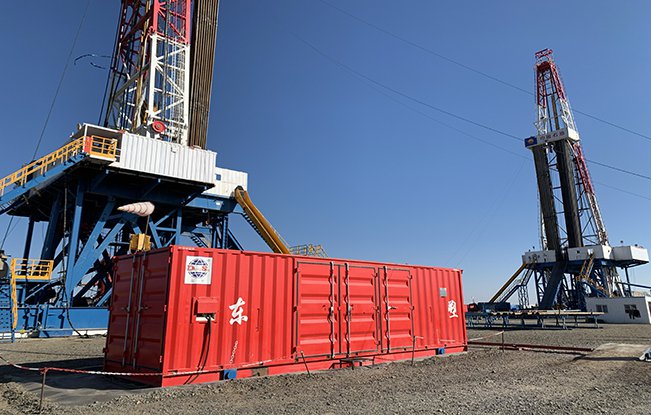
After a potential oil and gas reservoir is identified, drilling operations begin. Drilling is one of the most important stages in petroleum development because it creates a pathway between underground formations and surface facilities.
Depending on different objectives, wells can be classified into exploration wells, evaluation wells, production wells, injection wells, and development wells. Exploration wells are used to confirm the existence of oil and gas reservoirs, while production wells are drilled for commercial extraction.
During drilling, various technologies are used to obtain underground information and ensure operational safety. Logging while drilling, geological logging, and wireline logging provide important data about formation properties, including rock characteristics, porosity, permeability, pressure conditions, and hydrocarbon presence.
After reaching the designed depth, cementing operations are carried out to strengthen the well structure. Casing is installed inside the wellbore, and cement is pumped into the space between the casing and formation. This process helps isolate different underground layers, prevent fluid migration, and maintain long-term well integrity.
Because drilling operations often involve high-pressure underground formations, well control is a critical part of the entire process. A reliable well control system helps operators monitor and control pressure changes, preventing risks such as kicks and blowouts.
The surface BOP control system is one of the key components in drilling safety. It provides hydraulic control for blowout preventers, allowing operators to quickly respond to abnormal pressure conditions and maintain safe drilling operations.
In addition, choke manifold control panels and pneumatic pressure test units are widely used for pressure management, equipment testing, and system verification during drilling operations.
With decades of experience in this field, Guangzhou Dongsu Petroleum D&E Equipment Co., Ltd. has focused on the development and manufacturing of surface BOP control systems and related well control equipment since the early 1980s.
After drilling and cementing are completed, well completion prepares the well for production. The main purpose of completion is to establish an effective flow channel between the reservoir and the wellbore while minimizing formation damage.
Common completion methods include perforated completion, open-hole completion, slotted liner completion, and gravel-packed completion. The selection depends on reservoir characteristics, production requirements, and geological conditions.
Perforation is an important step during completion. Special perforating equipment creates channels through the casing and cement layer, allowing oil and gas fluids to enter the wellbore.
Once completed, the well enters the production stage. Oil and gas flow from the reservoir through the wellbore, tubing, wellhead, and surface facilities before entering processing systems.
Depending on reservoir conditions, production methods include natural flow production and artificial lift production. When reservoir pressure decreases, technologies such as electric submersible pumps, rod pumps, gas lift systems, hydraulic fracturing, and acid stimulation can be applied to improve production efficiency.
After production, crude oil and natural gas need to be collected, processed, stored, and transported.
Oil and gas gathering systems separate and treat produced fluids through processes such as oil-water separation, crude oil dehydration, gas purification, and flow measurement.
The processed products are transported through pipelines, storage facilities, and other transportation systems to refineries or end users.
In refineries, crude oil is converted into valuable products through processes such as atmospheric distillation, vacuum distillation, catalytic cracking, hydrocracking, and product treatment. These processes produce fuels, lubricants, and petrochemical raw materials used in modern industries.
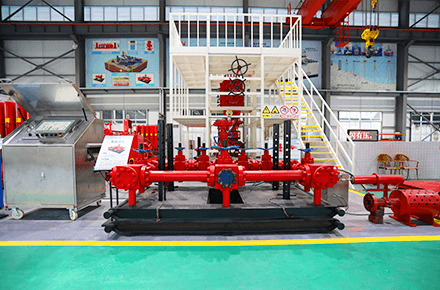
Guangzhou Dongsu Petroleum D&E Equipment Co., Ltd. is a professional manufacturer specializing in surface BOP control systems and oilfield pressure control equipment.
Since the early 1980s, Dongsu Petro has been dedicated to the R&D, design, and production of:
Surface BOP Control Systems
To provide better technical support, Dongsu Petro established a Technical Service & Training Center in 2017, integrating equipment training, maintenance, testing, and retrofitting services.
With decades of industry experience, Dongsu Petro continues to provide reliable well control solutions that help drilling contractors and oilfield operators improve safety, efficiency, and operational performance.
By continuing to use the site you agree to our privacy policy Terms and Conditions.