Well control is one of the most important safety practices in oil and gas drilling. Whether drilling a new well or carrying out well intervention operations, maintaining pressure balance inside the wellbore is essential for preventing dangerous incidents. If formation fluids are allowed to enter the well uncontrollably, the consequences can range from costly downtime to serious safety and environmental risks.
Understanding several basic pressure concepts is the foundation of effective well control. Terms such as formation pressure, hydrostatic pressure, bottomhole pressure, kick, and blowout are closely related, and together they explain how a well remains under control throughout drilling operations.
Every drilling operation is essentially a process of balancing pressures. The pressure inside the wellbore must be carefully controlled so that it is strong enough to prevent fluids from entering the well, but not so high that it damages the formation.
One of the most important pressures is formation pressure, also known as formation pore pressure. It is the pressure exerted by oil, gas, or water trapped within the pores of underground rock formations. This natural pressure varies depending on formation depth, rock properties, and reservoir conditions. Because formation pressure constantly pushes fluids toward the wellbore, it serves as the primary reference when designing drilling fluid programs.
To counteract formation pressure, drilling engineers rely on hydrostatic pressure, which is generated by the weight of the drilling fluid column inside the well. Hydrostatic pressure depends mainly on mud density and the height of the fluid column. Increasing mud weight raises hydrostatic pressure, while reducing mud weight lowers it. Selecting the proper drilling fluid density is therefore one of the most effective ways to maintain well control.
Another important concept is bottomhole pressure (BHP), which represents the total pressure acting at the bottom of the well. Under static conditions, bottomhole pressure is primarily determined by hydrostatic pressure. During circulation, however, additional pressures generated by pumping and fluid movement also contribute to the total bottomhole pressure.
These three pressures work together throughout the drilling process. Ideally, bottomhole pressure should remain slightly higher than formation pressure to prevent formation fluids from entering the well, while still staying below the fracture pressure of the surrounding rock. Maintaining this balance is one of the primary objectives of well control.
When the pressure inside the wellbore becomes lower than formation pressure, formation fluids such as oil, natural gas, or formation water begin flowing into the well. This event is known as a kick, or influx.
A kick is usually the first indication that pressure balance has been lost. It does not necessarily mean the situation is out of control, but it requires immediate attention. Drilling crews monitor several warning signs, including unexpected pit volume increases, abnormal return flow, changes in pump pressure, and flow from the well after the pumps have been stopped. Detecting these indicators early allows operators to restore well control before the situation worsens.
As formation fluids enter the well and circulate to the surface, operators may observe oil or gas invasion. Oil contamination in the drilling fluid or gas bubbles appearing in the mud system are common signs that formation fluids have entered the wellbore. Gas invasion deserves particular attention because gas expands rapidly as it rises through the well, reducing hydrostatic pressure and making the well increasingly difficult to control if corrective measures are delayed.
If a kick is not controlled promptly, it can develop into a blowout—an uncontrolled release of formation fluids from the well. Blowouts pose serious risks to personnel, drilling equipment, and the environment. In addition to causing production delays and significant financial losses, they may also lead to fires or explosions when natural gas reaches the surface.
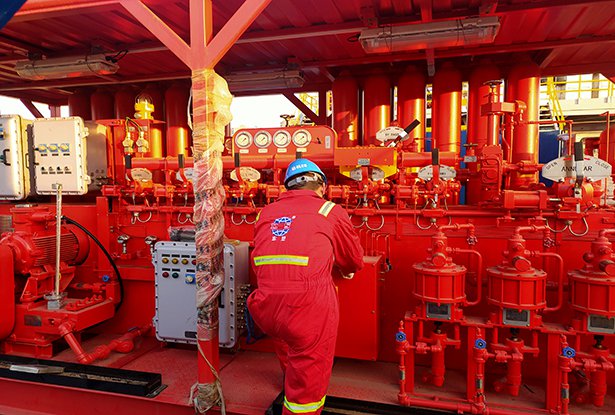
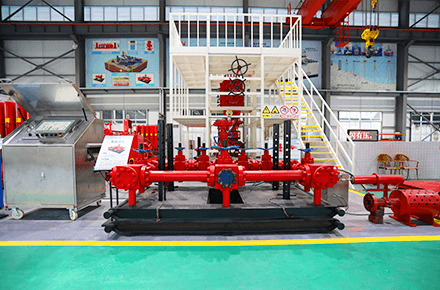
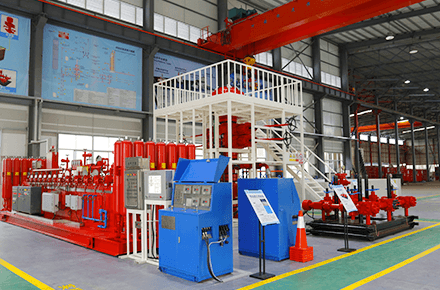
Fortunately, modern drilling operations are equipped with advanced well control equipment designed to prevent such incidents. Blowout preventer (BOP) systems, choke manifold control systems, and pressure monitoring equipment allow drilling crews to shut in the well, regulate pressure, and safely circulate invading fluids out of the well before a blowout occurs.
Although today's drilling rigs use increasingly sophisticated automation and pressure-control technologies, the principles of well control remain unchanged. Every drilling decision ultimately depends on understanding how formation pressure, hydrostatic pressure, and bottomhole pressure interact.
Recognizing the early signs of a kick, understanding the effects of oil and gas invasion, and responding quickly before conditions escalate are essential skills for maintaining safe drilling operations. Combined with reliable well control equipment and proper operating procedures, this knowledge helps protect personnel, equipment, and the environment while improving drilling efficiency.
Whether working on land rigs or offshore platforms, a solid understanding of these well control fundamentals remains the first step toward safe and successful petroleum operations.
What is formation pressure?
Formation pressure is the natural pressure exerted by fluids such as oil, gas, or water contained within the pore spaces of underground rock formations. It is also called formation pore pressure.
What is the difference between a kick and a blowout?
A kick is the controlled influx of formation fluids into the wellbore caused by insufficient well pressure. A blowout occurs when that influx is not controlled, resulting in an uncontrolled flow of formation fluids to the surface.
Why is hydrostatic pressure important?
Hydrostatic pressure, created by the weight of the drilling fluid column, is the primary force used to balance formation pressure. Maintaining adequate hydrostatic pressure is essential for preventing kicks and ensuring safe drilling operations.
By continuing to use the site you agree to our privacy policy Terms and Conditions.