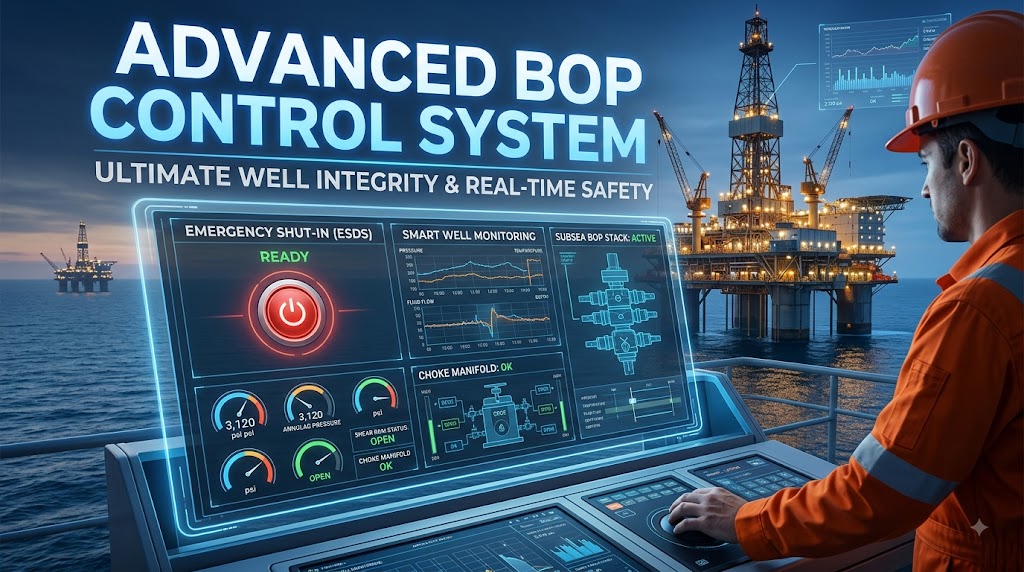
In high-pressure oil and gas exploration, the margin for error is effectively zero. A sudden formation kick can turn into an uncontrolled blowout in seconds, threatening crew safety and risking massive environmental damage. Under such extreme conditions, maintaining continuous reliability is not just a technical goal, but an absolute baseline for survival. To prevent catastrophic incidents, drilling teams need robust well control setups capable of instant activation and absolute resilience under severe downhole pressure.
Building on the need for reliable well control, let us look at the core engineering principles that turn basic fluid power into effective blowout prevention.
A dependable system relies on smooth integration between high-pressure hydraulics and precise actuation parts. The hardware delivers fast fluid volume under heavy loads to make sure preventer stacks seal instantly when triggered.
With that hydraulic foundation in place, operational safety depends heavily on how fast the system can handle emergency procedures during a pressure surge.
When a well kick happens, every fraction of a second decides whether the rig stays secure or suffers a blowout. Modern emergency shutdown systems turn multi-step routines into fast, one-touch isolation protocols that seal annular preventers and pipe rams right away.
While fast mechanical response stops sudden kicks, modern operations also need digital visibility to catch pressure anomalies early.
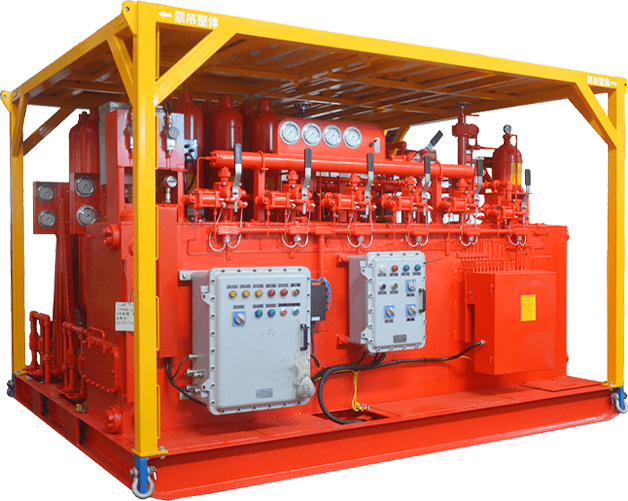
Choosing the right setup means balancing safety rules with site specific job needs. Following recognized standards guarantees that every part performs predictably under heavy stress.
| Evaluation Metric | Technical Requirement | Operational Impact |
| Shear Ram Closing Time | Under 15 seconds at rated working pressure | Ensures rapid wellbore isolation before kick escalation |
| Accumulator Useful Volume | Capable of closing all stack components with 50% reserve | Guarantees multiple actuation cycles during power loss |
| Control Pod Redundancy | Dual independent control circuits or power paths | Eliminates single-point failures in critical subsea or surface logic |
When evaluating these systems, three performance metrics are crucial: shear ram closing time under fifteen seconds at rated pressure, accumulator usable fluid volume to ensure multiple closing cycles without recharging, and control pod redundancy to prevent single-point failures. Guangzhou Dongsu’s units are engineered to exceed API Spec 16D standards, featuring a three-level alarm system for early warnings and full adaptation to updated technical requirements like GB/T 31033-2025 through custom retrofits.
Traditional analog gauges only show pressures after a shift has already started, leaving crews in a reactive spot. Adding digital telemetry turns surface control units into smart hubs that track subtle trend changes in real time.
Even the best digital monitoring setup depends entirely on the physical strength of the hydraulic circuits used in harsh field settings.
Long deployment in tough marine or desert drilling sites puts heavy stress on fluid circuits. Field data collected across extensive operational history points out specific weak spots that need proactive fixes.
Pricing usually depends on accumulator bank capacity, the total number of control functions, automation levels, and third party certification needs. For accurate pricing based on your specific thermal and pressure requirements, contact Guangzhou Dongsu's engineering team directly.
Retrofitting requires checking available deck space, electrical power compatibility, and flow matching between new high-pressure pumps and existing accumulator bottles. Engineers also need to make sure signal links match the rig's current master control setup.
Low temperatures thicken hydraulic fluid, which slows valve movement and can cause sluggish emergency responses if standard oils get too dense. Operators must use low temperature fluids and heated cabinets to keep flow steady in Arctic work zones.
Securing modern oil and gas operations calls for a strong focus on engineering reliability, fast emergency response, and adherence to safety standards. By combining tough hydraulic builds with smart digital monitoring, drilling contractors can protect both their crew and their equipment against severe downhole risks.
Drawing on over four decades of manufacturing background and thousands of global deployments, Guangzhou Dongsu provides specialized solutions built for your exact operational needs. Deploying a certified High Pressure Test Unit ensures valve integrity, and reviewing our full Products Category helps match specific rig demands. Get in touch with our engineering group today to talk about a custom setup for your next drilling project.
By continuing to use the site you agree to our privacy policy Terms and Conditions.