
For drilling rig managers and maintenance leads, selecting the right high pressure test unit is a balance between mobility and long-term reliability. Whether you are conducting routine maintenance or emergency pressure testing, choosing between a portable or fixed solution significantly impacts your operational uptime.
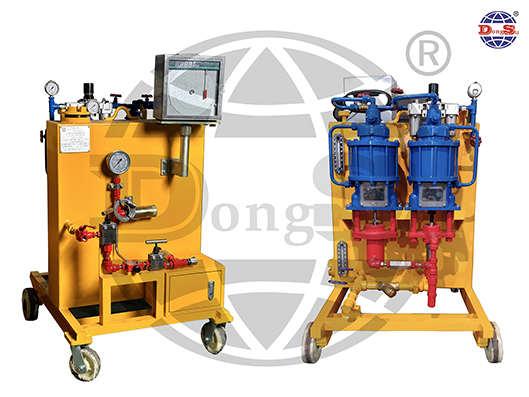
A clear distinction between fixed and portable systems is essential for effective asset management. Fixed test units are engineered for centralized maintenance workshops, prioritizing high-volume throughput and permanent integration with facility infrastructure. In contrast, portable test units are built for field-ready pressure verification, focusing on agility and rapid deployment in remote, hazardous conditions where rig-side intervention is required.
Selecting the appropriate system involves evaluating several critical performance factors beyond basic pressure specifications. When deciding between these two configurations, engineers should weigh mobility against operational stability. The following comparison highlights the fundamental trade-offs between portable and fixed systems:
|
Feature |
Portable High Pressure Test Unit |
Fixed High Pressure Test Unit |
|
Primary Use |
Emergency rig-side maintenance |
Centralized workshop testing |
|
Deployment |
Rapid; designed for quick transport |
Stationary; requires permanent setup |
|
Durability |
Built for rugged field conditions |
Optimized for maximum longevity |
|
Power Source |
Often air-driven for remote sites |
Typically electric for precision |
|
Maintenance |
Requires frequent seal/connector checks |
Lower; controlled environment usage |
When selecting a portable hydraulic test unit, consider the frequency of testing. If your site requires daily pressure validation of various manifold components, a high-density workshop unit provides better efficiency, whereas portable units excel in emergency scenarios or isolated well-site maintenance.
Managing power and fluid supply remains a challenge in remote locations. Air-driven systems are often preferred for their independence from electric grids, while electric pump configurations offer higher precision for controlled workshop environments.
Regardless of the unit's mobility, all equipment must strictly adhere to API testing standards to ensure the safety of personnel and the integrity of the pressure-containing components.
Deployment frequency and environmental severity dictate the longevity of your testing investment.
If pressure testing is a recurring component of the rig's maintenance routine, investing in fixed hydrostatic test units offers superior durability and reduced wear compared to units subjected to frequent transit.
Field operations involve logistical hurdles. Portable testers require enhanced sealing and protective housings to survive the vibrations and temperature swings of oilfield transit, whereas fixed units benefit from a controlled, stable indoor environment.
Beyond the initial acquisition cost, consider the total cost of ownership. Transporting fixed equipment to the field introduces significant logistics overhead, while portable systems may require more frequent inspection of seals and connectors due to the rigors of field service.
Maintaining consistent performance requires rigorous adherence to operational protocols for both system types.
Reliable hydraulic pressure test pumps must maintain consistent pressure delivery, whether powered by onsite air compressors or dedicated electrical sources.
Proactive maintenance, including checking fluid cleanliness and pressure gauge calibration, is necessary to prevent hardware failure during critical pressure test cycles.
The choice between portable and fixed units ultimately depends on your rig's specific maintenance strategy and the geographical constraints of your operations. A well-integrated test program often utilizes a hybrid approach, combining the precision of fixed installations with the agility of portable field units.
For a technical consultation regarding your site's specific pressure requirements, please contact us to discuss the most efficient configuration for your needs.
By continuing to use the site you agree to our privacy policy Terms and Conditions.

