
For field engineers and drilling supervisors, optimizing the integration between your choke manifold control panel and BOP control system is critical to wellsite safety. If you are managing pressure control, you know that seamless linkage is not just about equipment compatibility—it is your primary defense against downhole instability. This guide examines the engineering principles behind this vital connection, helping you ensure that your control architecture performs reliably when you need it most.
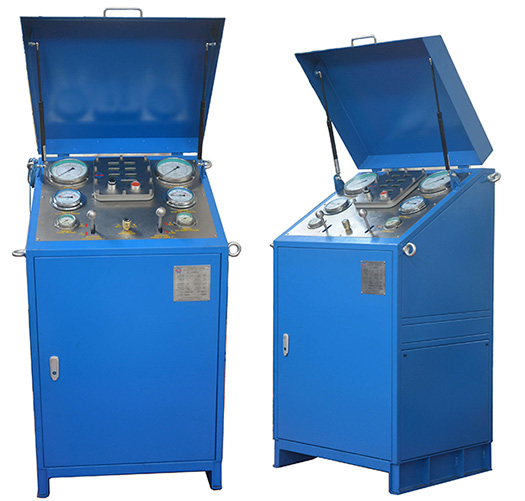
The matched setup complies with API 16C and API 16D, encompassing both manual and remote configurations. Designers must adhere to established guidelines for surface control and kill systems to ensure high-level reliability. Proper implementation involves referencing the choke manifold schematic to integrate the remote choke control panel with primary manual choke valve units.
The two assemblies are connected through shared hydraulic power and real-time electrical signal transmission. By synchronizing pressure feedback loops, choke controls allow operators to manage BOP and choke manifold linkage settings from a centralized station. This integration ensures that when the stack closes, the manifold is ready to bleed or hold pressure based on precise wellbore data.
The collaboration between these systems follows a defined lifecycle to ensure consistent pressure management.
The BOP system remains on standby to facilitate rapid deployment, while the choke panel continuously monitors and adjusts hydrostatic pressure within the wellbore.
The BOP performs the primary shut-in function, at which point the choke panel regulates backpressure to stabilize the wellbore and circulate out the influx.
Technicians must perform a comprehensive reset of all control valves and conduct a thorough linkage function inspection to ensure the system is ready for the next cycle.
Routine testing of the surface well control system ensures that hydraulic pressure remains within nominal ranges for both the stacks and the manifold actuators.
Selecting the configuration is critical for matching equipment performance to specific drilling environments.
Manual panels remain the mainstream choice due to their reliability and simplicity in standard vertical drilling.
Offshore choke manifold control panel systems utilize explosion-proof remote technology to maintain safety during complex subsea or platform operations.
Ultra-deep well well control panel units feature reinforced components, ensuring stable linkage and high-precision flow regulation for high pressure drilling choke control panel hardware under extreme stress.
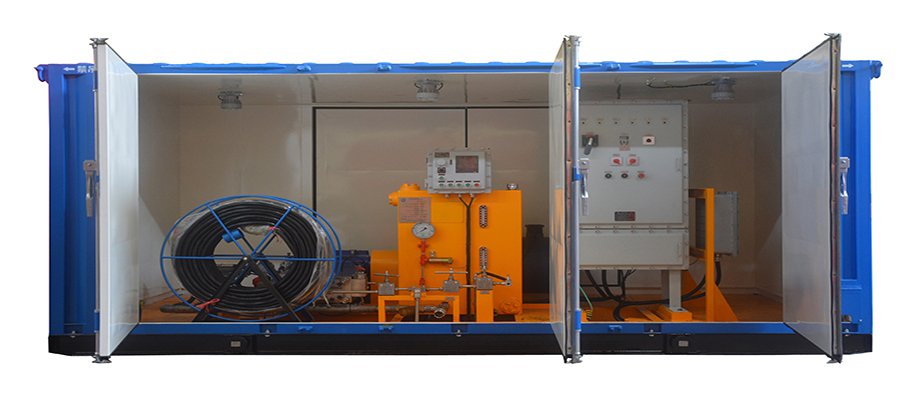
Manual units feature a simple structure, while remote options realize long-distance control for complex projects. A manual choke valve offers immediate, direct control for local intervention, whereas a remote choke control panel provides the centralized interface required for deepwater or horizontal drilling programs.
Signal inconsistency and blocked hydraulic pipelines are frequent issues requiring joint inspection. Technicians should prioritize checking electrical continuity between the interface and valve actuators, while verifying that hydraulic fluid cleanliness meets operational requirements to prevent internal valve clogging.
Matching schemes are available for the full set of equipment. Maintaining a complete well control system requires that all well control supporting equipment be compatible with the site’s primary pressure specifications and interface protocols.
Standard operation and maintenance of linked systems are essential for safe drilling production. By ensuring that the choke manifold control panel and BOP control system are properly calibrated and integrated, operators can significantly reduce the risk of critical failure. Contact our engineering team for expert guidance on optimizing your integrated well control architecture.
By continuing to use the site you agree to our privacy policy Terms and Conditions.

