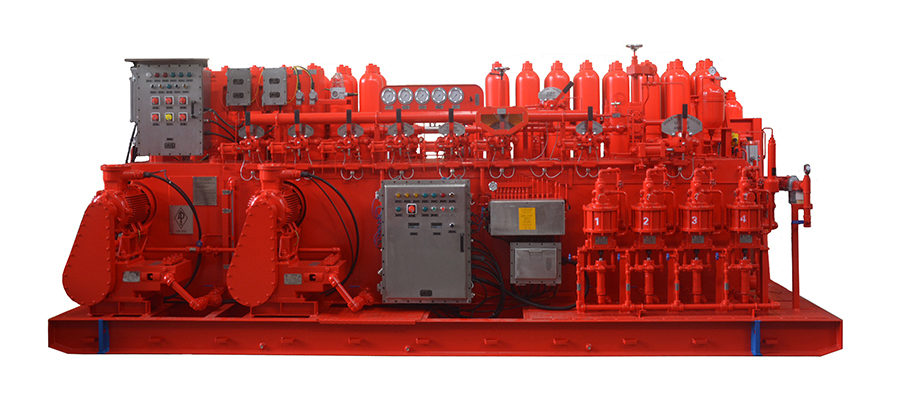
For field engineers and rig maintenance managers, BOP system downtime is the ultimate operational bottleneck. When managing hydraulic integrity, it is crucial to recognize that fluid degradation—rather than just mechanical wear—is often the primary driver behind sluggish valve response and premature system failure.
This guide examines how proactive fluid management and targeted filtration practices move beyond basic maintenance compliance to extend the service life of your BOP control unit and ensure consistent performance under high-pressure conditions.
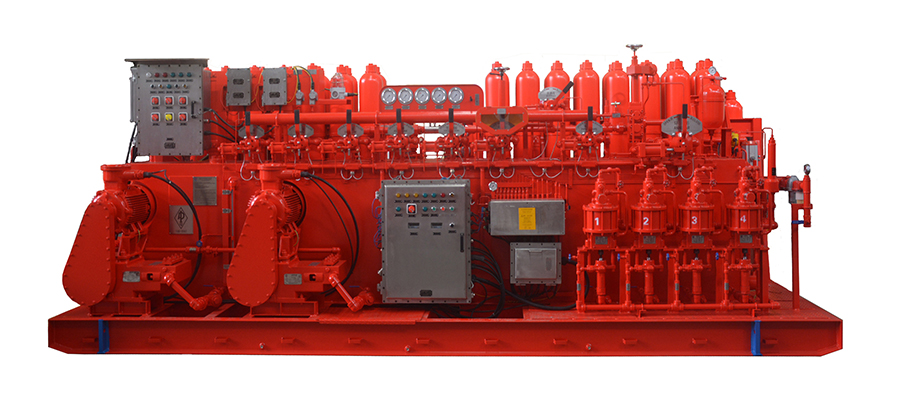
Hydraulic fluid in a BOP control unit functions as the lifeblood of the system. However, in high-pressure drilling environments, fluid properties can shift rapidly due to several operational stressors. Understanding these factors is the first step toward effective mitigation.
Continuous operation at high pressures generates significant localized heat. When fluid temperature consistently exceeds design limits, the molecular structure of the additives begins to break down.
This degradation often manifests as a decline in viscosity index. If the fluid becomes too thin, the sealing efficiency within control valves is compromised, leading to internal leakage and diminished response accuracy. Conversely, excessive thermal exposure can lead to oxidation, forming sludge deposits that obstruct fine-tolerance components.
System integrity is frequently challenged by the ingress of external contaminants. Even in controlled settings, microscopic particulates—often byproducts of seal wear or atmospheric moisture—can bypass standard filtration.
These particles act as abrasives within the pump and valve assemblies. Once the fluid's cleanliness level drops, the abrasive action accelerates the wear of critical spool surfaces, which eventually manifests as delayed pressure build-up or unintended pressure drops during critical well control operations.
A common, yet frequently overlooked, failure mode involves the inadvertent mixing of incompatible fluid chemistries. BOP fluids must maintain specific pH levels and corrosion inhibition profiles to protect the internal metallurgy of the hydraulic circuit.
Introducing an incompatible batch or mixing different fluid brands can lead to additive fallout—where chemical components precipitate out of the solution. This solid precipitate not only clutches the valve orifices but also severely degrades the long-term corrosion resistance of the piping and manifold components.
A reactive approach to fluid management—waiting for a system alarm before taking action—often incurs costs far exceeding the price of a standard maintenance program. Establishing a structured routine is the most reliable way to preserve the operational lifespan of the entire hydraulic circuit, from the 35MPa pump to the final actuator.
Effective maintenance begins with consistent, representative sampling. Fluids should be analyzed at regular intervals, specifically tracking viscosity, water content, and particle counts.
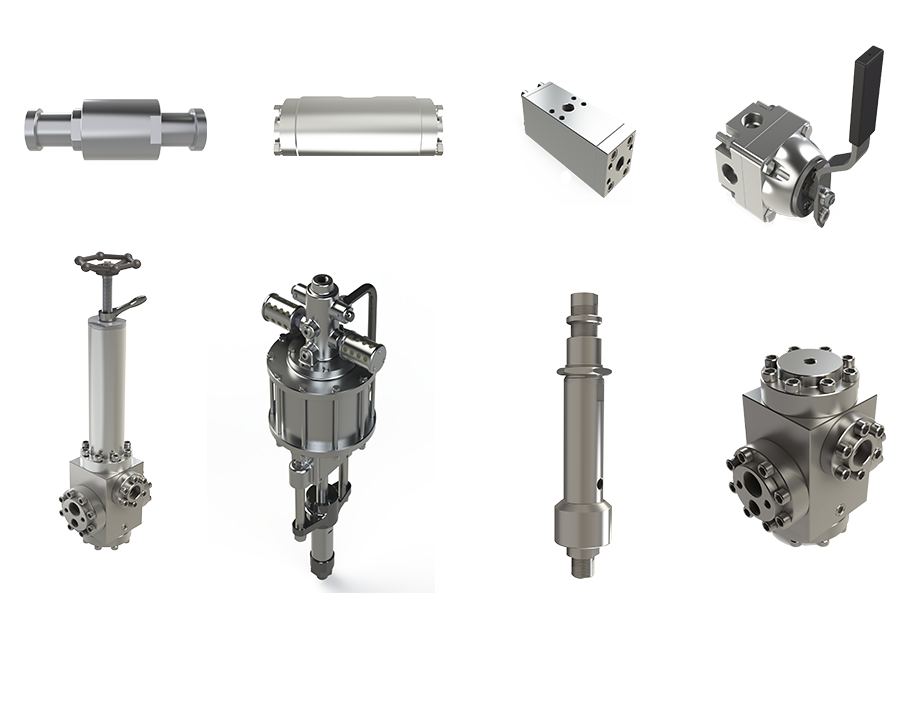
Establishing a baseline for new fluid allows operators to identify degradation trends long before they manifest as mechanical issues. When test results deviate from established norms, it is often a signal that the High Pressure Test Unit should be utilized to verify the integrity of the secondary control loops and pressure relief valves.
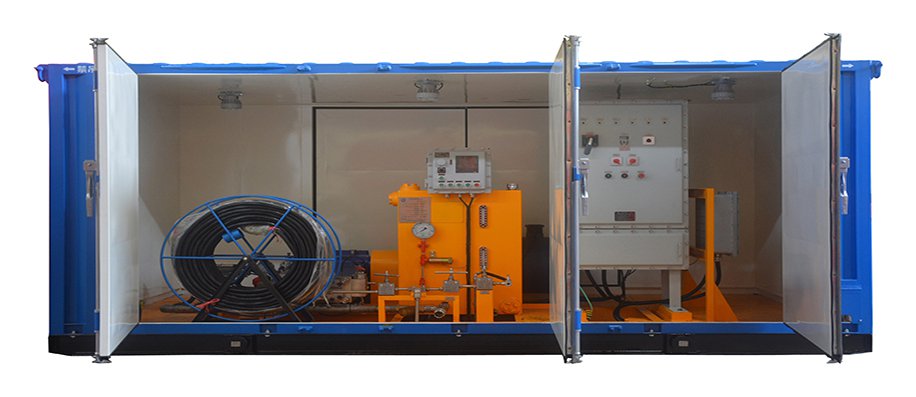
Standard system filters often struggle with the fine particulate matter that contributes to valve stiction. Implementing a dedicated off-line filtration system, or "kidney loop," is highly recommended for critical systems. By circulating the fluid through a high-efficiency filter circuit independent of the main pump cycle, operators can maintain cleanliness standards without interrupting the rig’s primary drilling operations.
This is particularly relevant for maintaining the precision of Choke Manifold Control Panels, where even minor sediment accumulation can lead to inaccurate choke positioning during pressure regulation.
When replenishment is necessary, the focus must shift to chemical stability. Mixing different hydraulic fluid formulations—or introducing fluids that are not compatible with the seal elastomers in the valves and pumps—often leads to rapid additive degradation. Always refer to the manufacturer’s specifications for the specific BOP & Hydraulic Control Fluid used in the system.
Consistency in the chemical makeup ensures that the hydraulic circuit maintains its intended corrosion inhibition and lubrication properties across all operating temperatures.
Investing in premium fluids typically yields a higher ROI by extending maintenance intervals. Frequent system flushing required by low-grade alternatives often creates more downtime than the initial savings justify. Selecting stable, high-performance formulations minimizes the risk of sudden failures that disrupt drilling schedules and inflate OPEX.
Effective maintenance transforms hydraulic fluid from a recurring expense into a managed asset. By prioritizing fluid health, you safeguard the performance of your BOP control system and core infrastructure. For professional fluid compatibility consulting or to request our maintenance checklist, please contact our engineering team today.
By continuing to use the site you agree to our privacy policy Terms and Conditions.