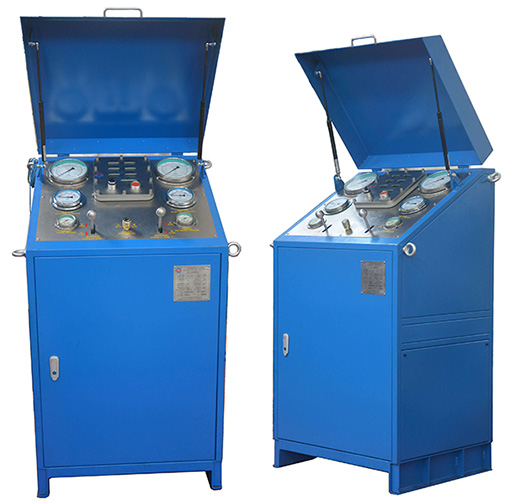
Choosing a choke manifold control panel involves more than selecting a control cabinet. The equipment has to fit the choke manifold, control method, monitoring requirements, and operating conditions of the drilling system.
For oilfield equipment buyers, these details determine whether the selected panel can support the required well control procedures without creating unnecessary installation or operation issues.
A clear understanding of API 16C requirements, control configurations, remote operation, and testing considerations can make equipment selection more straightforward.
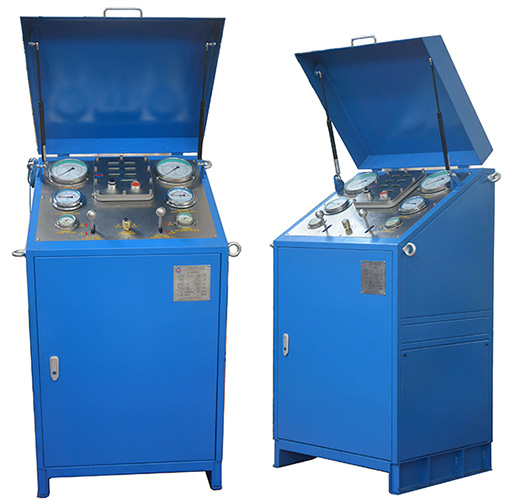
A choke manifold control panel operates the hydraulic choke valve on the choke manifold. By controlling the choke opening, operators can regulate fluid flow and manage pressure during well control operations.
The Choke Manifold Control Panel is designed for well kick and blowout control and oil and gas well pressure control. The system can open and close the hydraulic choke manifold and remotely control the hydraulic choke valve.
A control panel also provides operators with information needed to understand the current operating condition of the choke manifold.
The product specifications include monitoring for standpipe pressure, casing pressure, hydraulic choke valve position, and, when equipped with a pump stroke counter, the stroke number and frequency of the three mud pumps. The panel can also monitor pressure, temperature, flow, and valve status.
The control panel consists of a control cabinet, sensors, cables, hydraulic pressure hoses, and other supporting components.
Depending on the configuration, the cabinet can include an electric pump or pneumatic pump, manual pump, accumulator, check valve, relief valve, safety valve, stop valve, 3 position 5 way valve, oil reservoir, digital meters, and related electrical devices.
API 16C is directly relevant when specifying choke manifold control equipment. Buyers should confirm that the selected equipment meets the applicable project specification before procurement.
The manufacturer states that its choke manifold control panels meet or exceed the design specification of API 16C. The product is designed for hydraulic choke manifold control and well pressure control applications.
API 16C and API 16D apply to different areas of well control equipment.
API 16C is associated with choke manifold control, while API 16D is associated with BOP control systems. A BOP control system operates BOP equipment and related well control functions, so the two systems should be specified according to their individual roles rather than treated as interchangeable equipment.
The BOP Control System product range is designed to meet or exceed API 16D requirements and includes pneumatic, electric pneumatic, and wireless control options.
Procurement teams should review the required API specification, control method, monitoring points, available power source, and interface requirements before selecting a panel.
The control configuration should also match the hydraulic choke manifold and the operating procedures used on the drilling site. This helps avoid selecting equipment that meets a general specification but does not fit the actual control arrangement.
Pneumatic control is a practical option when compressed air is available at the drilling site. It provides a straightforward control arrangement and can support remote operation of the hydraulic choke valve.
The QJY35 1 is listed as a pneumatic control model with simple operation, convenient maintenance, long service life, high sensing accuracy, high shock resistance, and strong environmental adaptability. The model is also specified to meet API 16C requirements.
Electric control provides another configuration for projects that require electric control equipment.
The DJY105 2 is listed as an electric control model. It has the same stated advantages of simple operation, convenient maintenance, long service life, high sensing accuracy, high shock resistance, and strong environmental adaptability, and it is also specified to meet API 16C requirements.
Remote operation should be defined during the equipment selection stage. Buyers should determine which hydraulic choke valves need remote operation, where the control panel will be installed, and which parameters operators need to monitor.
The product information states that some choke manifold control panels can operate and adjust the system through a remote monitoring system. This allows operators to control and monitor the choke manifold from a location away from the wellhead.
The available power source is one of the first points to confirm. Pneumatic and electric configurations have different operating requirements, so the selected panel should correspond with the power and control infrastructure already available on the rig.
Where manual operation is required, buyers should also confirm the manual pump and related backup configuration.
The control panel should provide the information required for the well control procedure. Depending on the configuration, this can include standpipe pressure, casing pressure, hydraulic choke valve position, temperature, flow, and valve status.
Digital meters with a wide temperature range are used in the product range to provide measurement and display functions under different field conditions.
Remote control requirements should be defined before the final configuration is approved. The control distance, operating location, monitored parameters, signal arrangement, and required control functions should all be considered as part of the equipment specification.
A clear interface between the control panel and the hydraulic choke system also helps operators understand the valve position and operating condition during pressure control operations.
Pressure testing is an important part of preparing well control equipment for operation. The test arrangement should match the equipment configuration and project requirements.
A High Pressure Test Unit can be used for hydraulic testing of choke manifolds, BOP stacks, casing heads, pipe parts, valve parts, and other pressure bearing components used in well control equipment.
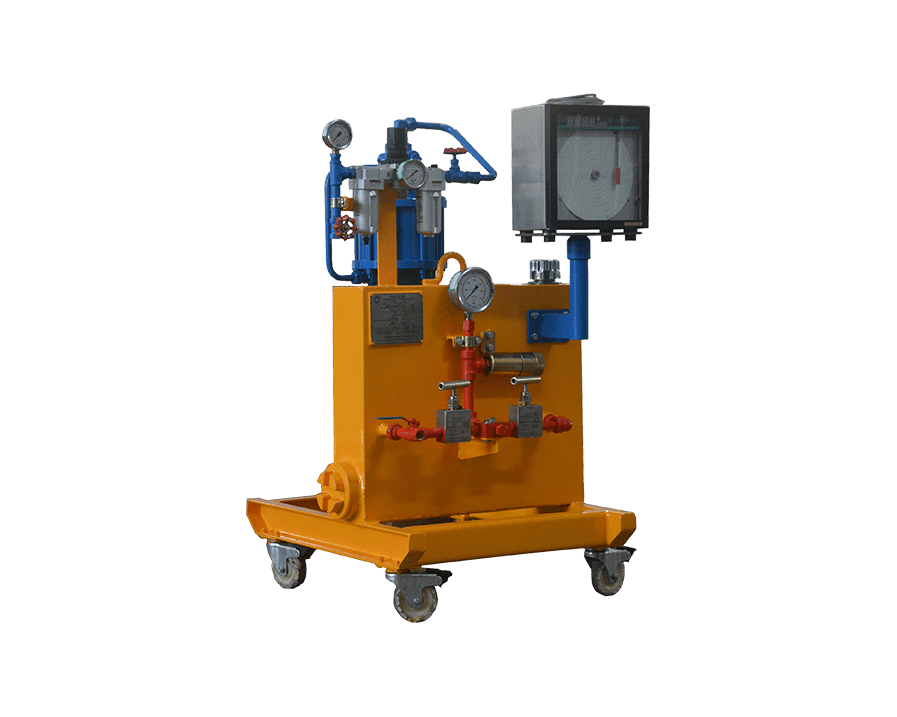
Sensors and digital meters should be checked regularly to ensure that the displayed information remains accurate.
The manufacturer recommends regular cleaning of the control panel, inspection of component connections and operating status, and calibration and checking of sensors and control systems.
Hydraulic hoses, pumps, valves, accumulators, and the oil reservoir should also be inspected according to the applicable maintenance procedure.
Any leakage, damaged connection, abnormal pressure response, or sensor problem should be addressed before continued operation. Regular inspection helps maintain the reliability of the control system during drilling activities.
Its main function is to control the hydraulic choke manifold and support well pressure control. Depending on the configuration, the panel can also monitor pressure, temperature, flow, valve status, and other operating information.
The applicable specification depends on the project and equipment requirements. The manufacturer states that its choke manifold control panels meet or exceed the design specification of API 16C.
Pneumatic control uses a pneumatic control arrangement, while electric control uses an electric control configuration. The choice should be based on the available site infrastructure, operating requirements, and project specification.
Yes. The product information states that some configurations support remote control of the choke manifold system, allowing operators to control and monitor the equipment from a location away from the wellhead.
A suitable choke manifold control panel should match the required API 16C specification, control method, monitoring functions, and remote operation requirements. Buyers should also confirm testing and maintenance requirements before finalizing the equipment configuration.
For project specific requirements, specifications, or customization, Contact DONGSU to discuss the required choke manifold control panel configuration.
By continuing to use the site you agree to our privacy policy Terms and Conditions.