In the drilling industry, primary well control is crucial for preventing uncontrolled releases of formation fluids, commonly known as blowouts. A blowout can result in catastrophic accidents, environmental damage, and loss of life, as seen in the Macondo (Deepwater Horizon) disaster in 2010. Understanding the equipment used for primary well control is essential for every drilling operation to maintain safety and efficiency.
Primary well control refers to the measures and equipment used to maintain pressure in the wellbore and prevent formation fluids such as oil, gas, or water from entering the borehole. The goal is to control a kick, which is the initial influx of formation fluid into the well. While a kick can be managed, a blowout is an uncontrolled situation that can lead to serious accidents. Primary well control is closely linked to drilling fluid management and the use of blowout preventers (BOPs).
Drilling fluid, also called mud, is the primary tool in preventing formation fluids from entering the wellbore. It serves two main functions: exerting hydrostatic pressure to counteract formation pressures and forming an impermeable filter cake along the wellbore walls. Proper mud density ensures that pressure in the well exceeds formation pore pressure, minimizing the risk of a kick.
However, primary well control can be compromised if the mud weight is insufficient, lost circulation occurs, or improper mud replacement happens during tripping operations. Maintaining the correct drilling fluid properties is critical for effective primary well control.
The Blowout Preventer (BOP) is the centerpiece of well control systems. BOPs are hydraulically operated valves designed to seal the wellbore in emergency situations. They are stacked on the wellhead, either onshore beneath the rig floor or offshore on the seabed, to isolate the subsurface and maintain control.
BOPs work together to ensure rapid response to kicks, providing multiple layers of protection and redundancy in critical drilling operations.
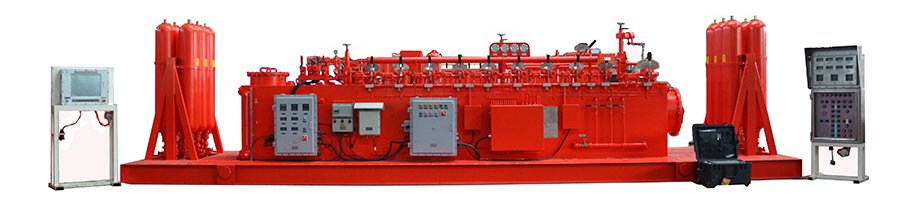
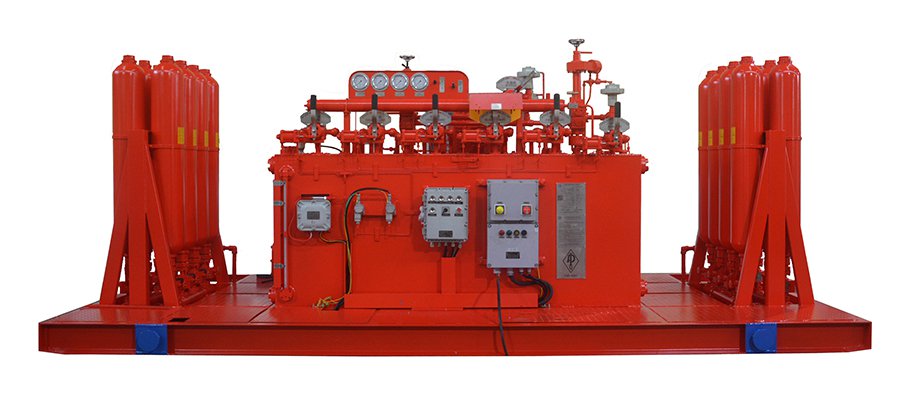
Accumulators are essential to the functionality of hydraulic BOPs. They store pressurized hydraulic fluid and non-explosive gas, providing the energy required to operate BOPs even if the rig’s power system fails. By ensuring instant activation, accumulators are crucial for maintaining well control in emergency situations.
Early detection of kicks is vital for primary well control. Indicators include:
Proactive measures include monitoring mud properties, maintaining proper circulation, and observing pressure and flow changes to prevent a small influx from escalating into a blowout.
If a kick occurs, operators follow well-specific procedures to prevent a blowout:
Daily safety meetings reinforce these procedures, ensuring all crew members are aware of the current well status and any critical safety considerations.
Primary well control relies on the careful combination of drilling fluids, BOPs, and accumulators to prevent formation fluids from entering the wellbore. Properly maintained equipment, vigilant monitoring, and adherence to well-specific procedures are essential to controlling kicks and preventing blowouts. Both onshore and offshore drilling operations benefit from the reliability and rapid response of these systems.
For reliable hydraulic BOP systems and primary well control solutions, contact Dongsu, a trusted BOP control system supplier that provides high-quality equipment and expert support for your drilling operations.
By continuing to use the site you agree to our privacy policy Terms and Conditions.