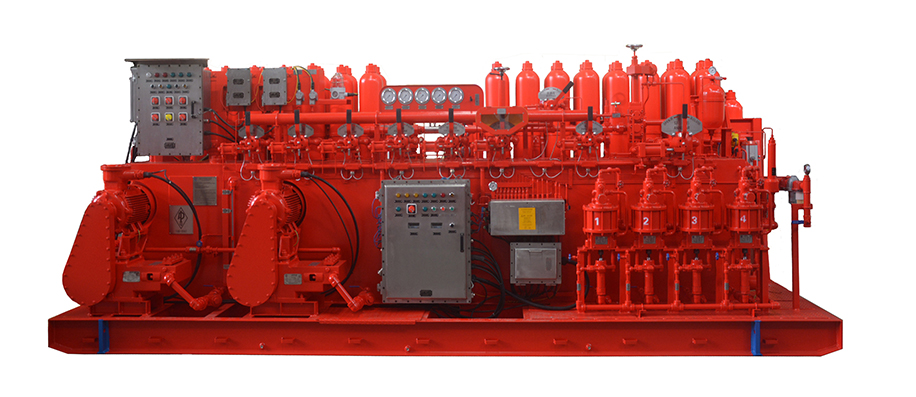
Maintaining Blowout Preventers (BOPs) is essential for ensuring safe and efficient oil and gas drilling operations. These critical safety devices prevent uncontrolled releases of formation fluids, protecting both personnel and the environment. Proper Blowout Preventer maintenance not only reduces operational risks but also minimizes downtime, extends equipment lifespan, and ensures regulatory compliance. In this article, we will explore effective strategies for maintaining BOPs and maximizing their performance.
A Blowout Preventer is a vital safety device designed to control wellbore pressure and prevent blowouts in oil and gas wells. Blowouts occur when high-pressure formation fluids, such as oil, gas, or water, escape uncontrollably from the well. BOPs seal, control, and monitor the wellbore, providing critical protection during drilling operations.
There are two main types of BOPs. Annular BOPs use a rubber-like sealing element to close around drill pipes or casing. Ram BOPs employ steel rams to seal the wellbore and can be further categorized into pipe rams, blind rams, shear rams, and variable bore rams. Understanding the types and functions of BOPs is the first step toward effective maintenance and safe well control.
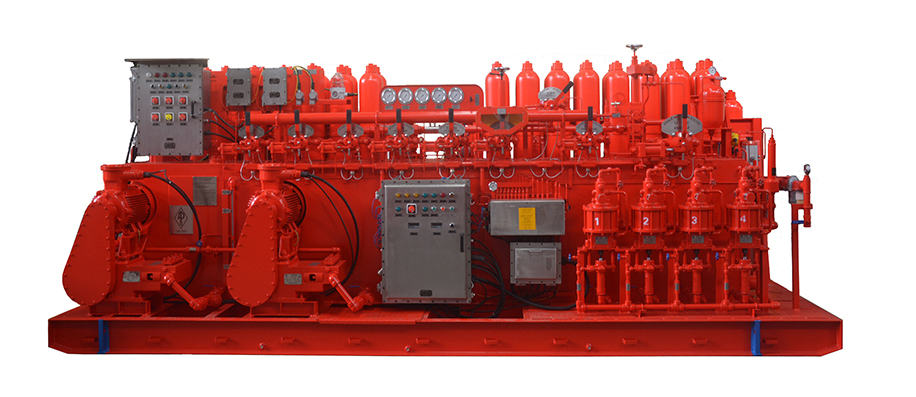
Regular BOP maintenance is crucial for several reasons. First, safety is paramount: well-maintained BOPs reduce the risk of blowouts and protect both personnel and the environment. Second, compliance with industry regulations is required, and proper upkeep ensures adherence to these standards. Third, maintenance is cost-effective, preventing expensive breakdowns and extending the life of the equipment. Finally, operational efficiency is enhanced by reducing downtime and supporting smooth drilling operations.
A structured maintenance schedule forms the backbone of BOP longevity. Regular visual and functional inspections help identify wear, leaks, or other potential issues early. Preventive maintenance, such as cleaning, lubrication, and part replacement, ensures optimal performance. Detailed documentation of all inspections and maintenance activities also allows drilling teams to track equipment history and plan future maintenance effectively.
Incorporating advanced monitoring systems can greatly enhance BOP reliability. Real-time monitoring provides continuous data on BOP performance, while predictive analytics can anticipate potential issues before they escalate. Remote diagnostics allow experts to assess conditions off-site and provide guidance, improving both safety and efficiency. These technologies are crucial for modern drilling operations seeking to maintain BOP reliability and minimize downtime.
Using high-quality replacement components is essential for maintaining BOP integrity. Whenever possible, choose OEM parts that are designed specifically for the BOP model. Implement strict quality control procedures to verify component performance, and maintain an organized inventory of critical spare parts. This approach reduces delays caused by part shortages and ensures that the BOP operates safely and efficiently.
A well-trained team is vital for optimal BOP operation. Comprehensive training programs should cover both the operation and maintenance of BOPs, ensuring staff understand all procedures. Regular recertification helps personnel stay up-to-date with evolving technology and industry standards. Hands-on training scenarios further enhance operator competence and readiness for emergency situations.
Strict adherence to manufacturer guidelines and industry standards is key to maintaining BOP performance. Regular pressure and function testing confirm that the equipment operates within recommended parameters. Additionally, emergency response plans should be well-practiced, enabling teams to act quickly and effectively in case of BOP failure. Following these guidelines ensures both equipment longevity and operational safety.
Environmental conditions can affect the lifespan of a BOP. Implement measures to prevent corrosion and erosion, monitor temperature ranges, and maintain clean hydraulic systems to reduce the risk of contamination. Adapting maintenance practices to the operational environment supports consistent BOP performance and extends equipment life.
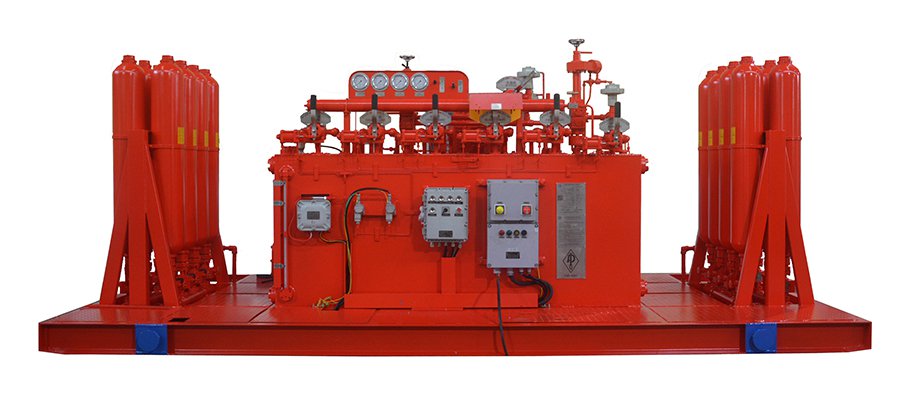
Routine inspections help identify when maintenance is required. Warning signs include unusual noises during operation, reduced pressure-holding capacity, visible wear or damage, and abnormal readings from monitoring systems. Early detection of these issues through BOP inspections prevents serious malfunctions and ensures safe drilling operations.
Maintaining Blowout Preventers in excellent condition requires consistent attention, advanced monitoring, high-quality parts, and trained personnel. By implementing a comprehensive maintenance schedule, adhering to operational guidelines, and adapting to environmental conditions, operators can significantly enhance BOP performance, safety, and lifespan. Partnering with a reliable BOP supplier can further improve operational efficiency by providing access to premium components, expert support, and professional maintenance solutions.
For professional solutions and high-quality components for Blowout Preventer maintenance, contact Dongsu, a trusted BOP supplier, to optimize the lifecycle of your equipment and ensure safe, efficient drilling operations.
By continuing to use the site you agree to our privacy policy Terms and Conditions.