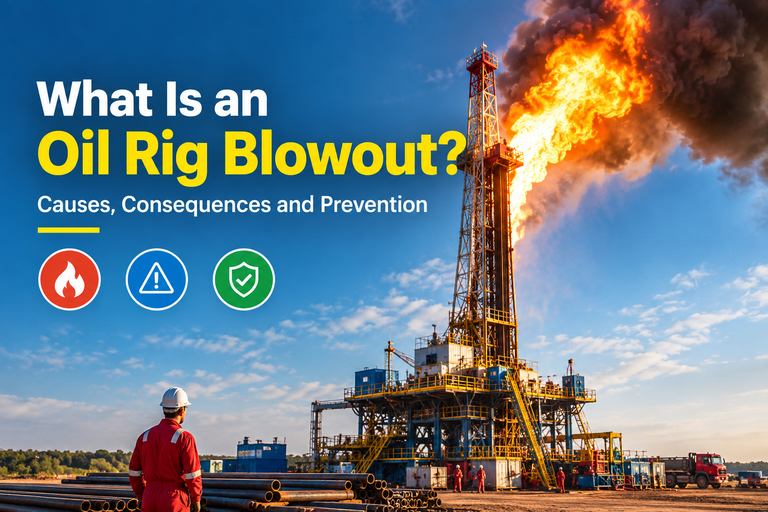
An oil rig blowout is a serious well-control incident that can escalate rapidly when formation fluids escape without control. Understanding the conditions that lead to a blowout helps drilling teams identify risks, maintain equipment readiness, and reduce the likelihood of a major incident.
An oil rig blowout occurs when oil, natural gas, or other formation fluids flow out of a well in an uncontrolled manner. It usually follows a loss of well control, when formation pressure overcomes the pressure balance and the available barriers fail to contain the influx.
A well kick is an initial influx of formation fluids into the wellbore. A kick does not automatically become a blowout; timely detection and appropriate well control procedures can prevent escalation.
A blowout preventer in an oil rig is a critical mechanical barrier designed to seal the well under specified operating conditions. Its effectiveness depends on suitable equipment selection, reliable actuation, regular testing, and correct operating procedures.
A surface blowout releases formation fluids at or above ground level or a drilling platform. If the released hydrocarbons ignite, the resulting fire can threaten personnel and damage nearby equipment.
A subsea blowout occurs below the water's surface. Containing the release can be more difficult because the wellhead is underwater, and escaping hydrocarbons may spread through the marine environment. Both types can cause severe safety, environmental, and operational consequences.
Drilling fluid provides hydrostatic pressure to help balance formation pressure. If the fluid density is too low, the fluid level drops, or excessive fluid loss occurs, formation fluids may enter the wellbore.
The drilling fluid must maintain sufficient pressure to contain formation fluids without exceeding the pressure limits of the surrounding rock. An unsuitable balance can allow a kick to develop and increase the risk of losing well control. Continuous monitoring of fluid levels and drilling conditions helps crews identify potential problems before they escalate.
Early warning signs of a kick include unexpected increases in mud pit volume, abnormal flow from the well, and changes in drilling fluid returns. Failure to recognize these indicators can allow formation fluids to continue entering the wellbore.
Gas influxes present additional challenges because gas expands as pressure decreases while moving toward the surface. This expansion can displace drilling fluid and reduce the hydrostatic pressure supporting well control. Prompt detection and action are therefore essential.
Equipment problems can undermine the barriers needed to contain formation fluids. Potential issues include malfunctioning BOP components, unreliable hydraulic controls, damaged seals, and inadequate inspection or testing.
Incorrect equipment configuration and procedural errors can also compromise well control. Prevention requires suitable equipment, documented maintenance, and personnel trained to follow approved response procedures.

A blowout can expose workers to high pressure fluid releases, fires, explosions, and flying debris. If hydrogen sulfide is present, escaping gas can also create a serious toxic exposure hazard. Emergency response plans must address the specific risks associated with the well and drilling location.
Uncontrolled hydrocarbon releases can contaminate soil, groundwater, and marine habitats. Offshore incidents may affect wildlife, coastal ecosystems, and fisheries. The extent of the damage depends on the released substances, discharge volume, incident duration, and effectiveness of containment and cleanup.
Blowouts can damage drilling equipment, interrupt operations, and require costly well intervention and environmental remediation. Operators may also face regulatory investigations and legal liabilities. Total losses vary according to the severity of the incident, the location, and the resources needed to regain control.
Maintaining appropriate drilling fluid density and fluid levels helps prevent formation fluids from entering the wellbore. Drilling teams should monitor pit volumes, flow rates, and returning fluids according to the well program. Unexpected changes require prompt investigation.
A blowout preventer provides a secondary barrier when primary well control is compromised. Its operation depends on suitable control equipment, adequate hydraulic capacity, and regular inspection and testing.
A properly configured BOP control system operates surface mounted BOP stacks and associated hydraulic equipment. Selection should account for the well configuration, required control functions, operating conditions, and applicable standards.
When a kick occurs, trained personnel must follow approved shut in and well control procedures. Circulating formation fluids out of the well requires coordinated control of pressure, fluid circulation, and the relevant well control equipment.
A choke manifold control panel controls the hydraulic choke manifold and supports pressure monitoring, depending on its configuration. Correct operation helps manage pressure during well control operations and must form part of an integrated response plan.

Preventive maintenance should cover critical valves, hydraulic connections, accumulators, seals, alarms, and other components specified in the equipment maintenance plan. Functional and pressure tests must follow applicable standards and approved procedures.
Regular emergency drills help crews recognize warning signs, understand their responsibilities, and respond consistently. Reliable equipment and trained personnel are both essential to effective well control.
Preventing oil rig blowouts requires reliable pressure management, early kick detection, and properly maintained well control equipment. For BOP control solutions tailored to your drilling requirements, contact DONGSU to discuss your project.
By continuing to use the site you agree to our privacy policy Terms and Conditions.