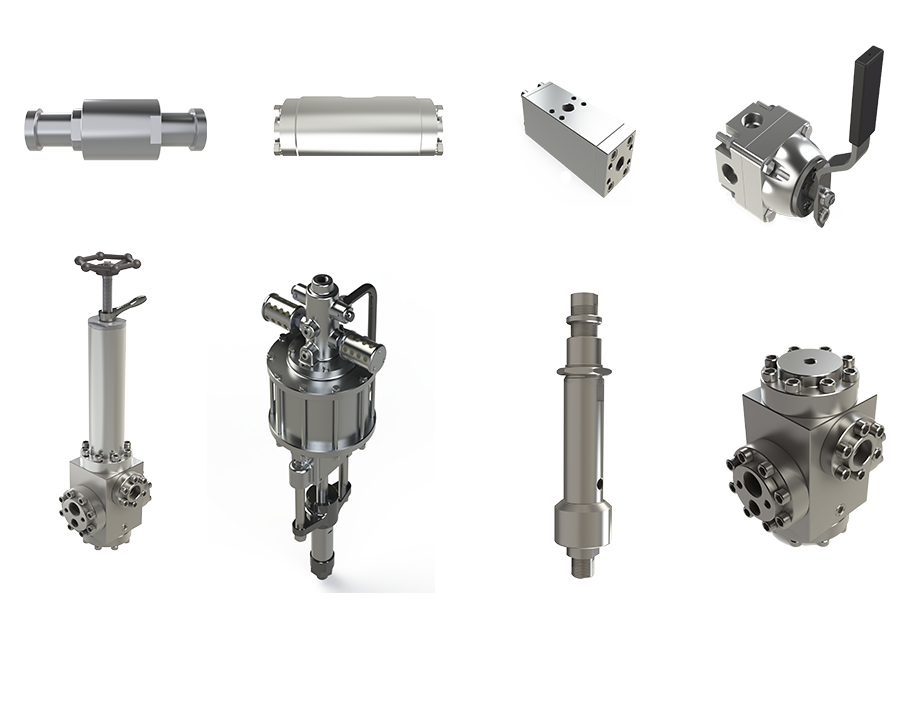
Choosing a rotary valve manufacturer involves more than comparing product prices. The selected supplier must provide a valve that fits the intended hydraulic circuit and operating conditions. Understanding the key selection criteria helps buyers make a more informed procurement decision.
A manufacturer's industry experience can indicate its familiarity with oilfield hydraulic equipment. Experience with surface BOP control systems and related components is particularly relevant to buyers sourcing valves for drilling equipment.
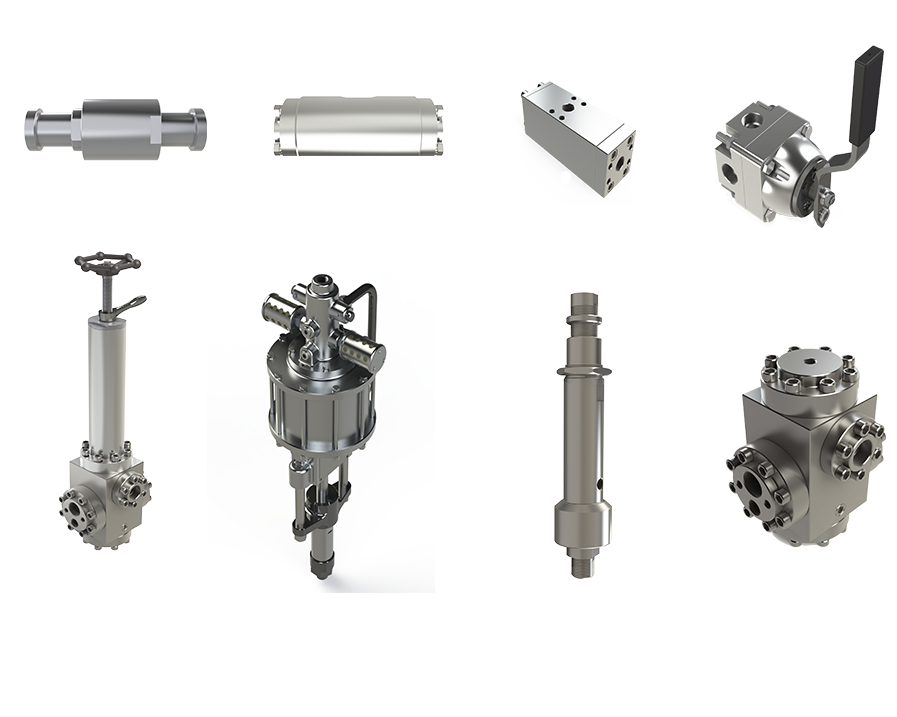
Machining equipment, production facilities, and inspection resources affect component accuracy and product consistency. DONGSU has worked in oilfield equipment manufacturing since 1980, with a 20,000 m² production and assembly base and more than 300 sets of processing equipment. Its 35MPa Pump and Valve range includes rotary valves and other hydraulic components.
The manufacturer should be able to review hydraulic drawings, confirm valve configurations, and assess application requirements. This is especially important when replacing an existing valve or integrating a new component into an established control circuit.
A three position four way rotary valve has three operating positions and four hydraulic ports. The configurations shown on the product pages include Center, Left, and Right positions, with P, T, A, and B ports. P is the pressure oil port, T is the return oil port, and A and B are working ports. Check the flow paths against the hydraulic circuit diagram before selecting a model.
The valve must meet the system's required working pressure. Buyers should confirm the rated pressure of the specific model and its suitability for expected operating conditions. Do not assume that a product category rating applies to every valve listed in that category.
The selected valve should accommodate the hydraulic flow required by the system. Insufficient capacity may cause excessive pressure loss or affect actuator response. Request the applicable flow data for the proposed model.
The sealing structure affects leakage control and operating reliability. The listed rotary valves use a shear type design. A wave spring applies preload to the sliding sleeve to support sealing at low pressure, while pressure oil provides additional sealing assistance at higher pressure. The stainless steel rotary valve is one example of this design.
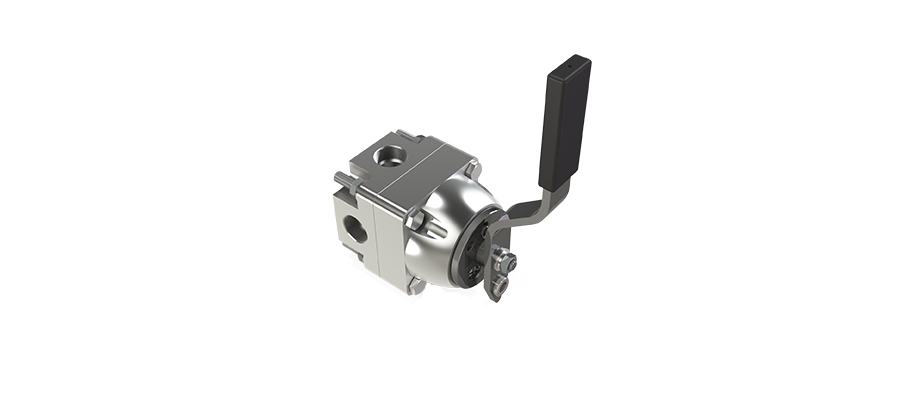
Material selection should account for the hydraulic medium, operating environment, and service conditions. Stainless steel may be suitable where corrosion resistance is required, but buyers should confirm the exact material grade rather than rely on a general material description.
Sealing materials must be compatible with the hydraulic fluid and operating temperature. Confirm the seal specifications to reduce the risk of premature deterioration or leakage.
Port dimensions and connection types must match the existing hydraulic circuit. Provide interface dimensions and technical drawings before ordering to avoid installation issues.
Some applications require different pressure ratings, connection types, materials, or sealing configurations. The three position four way rotary valve is used in oilfield hydraulic control systems, particularly surface BOP control units. Its product page also identifies customization options for different application requirements.
Check whether the manufacturer inspects critical dimensions and assembled components. These procedures help verify that the supplied valve matches the approved drawings and specifications.
Ask for test documentation identifying the model, test conditions, and acceptance criteria. Confirm that the records correspond to the actual valve configuration being purchased.
Review the technical drawings, material specifications, product identification, and inspection records before accepting the order. Keeping these documents also supports future maintenance and replacement.
Price depends on material selection, pressure requirements, port dimensions, sealing configuration, customization, and order quantity. Additional testing or documentation requirements may also affect the quotation. Provide the intended application and technical specifications to obtain a project specific quotation.
Customization may be available depending on the valve design and application. Buyers should provide circuit drawings, connection dimensions, and operating requirements for technical review.
Prepare the hydraulic circuit diagram, required port configuration, working pressure, flow requirements, hydraulic fluid details, and connection dimensions. This information helps the manufacturer assess compatibility and recommend a suitable configuration.
Selecting a rotary valve manufacturer requires matching the valve design and specifications to the hydraulic system. Review the product details and application requirements before ordering. For technical evaluation or a quotation, contact the engineering team.
By continuing to use the site you agree to our privacy policy Terms and Conditions.