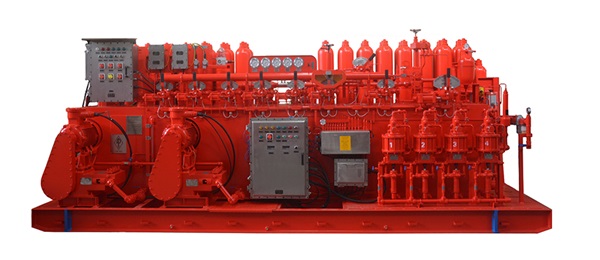
Blowout preventer (BOP) testing verifies whether well control equipment can contain pressure and perform its intended functions.
Proper testing helps operators identify defects, confirm equipment readiness, and maintain records required for maintenance and regulatory compliance.
A blowout preventer provides a secondary barrier when primary well control measures cannot contain formation pressure. Depending on the configuration, annular and ram preventers seal around drill pipe or close the wellbore.
Pressure testing evaluates designated sealing interfaces and pressure containing components under specified conditions. Detecting leakage or unacceptable pressure loss helps operators address defects before drilling operations continue.
A BOP stack includes preventers, valves, hydraulic controls, and associated connections. Pressure testing verifies containment, while functional testing checks whether designated components respond correctly to operating commands. Both are necessary because passing one test does not automatically confirm satisfactory performance in the other.
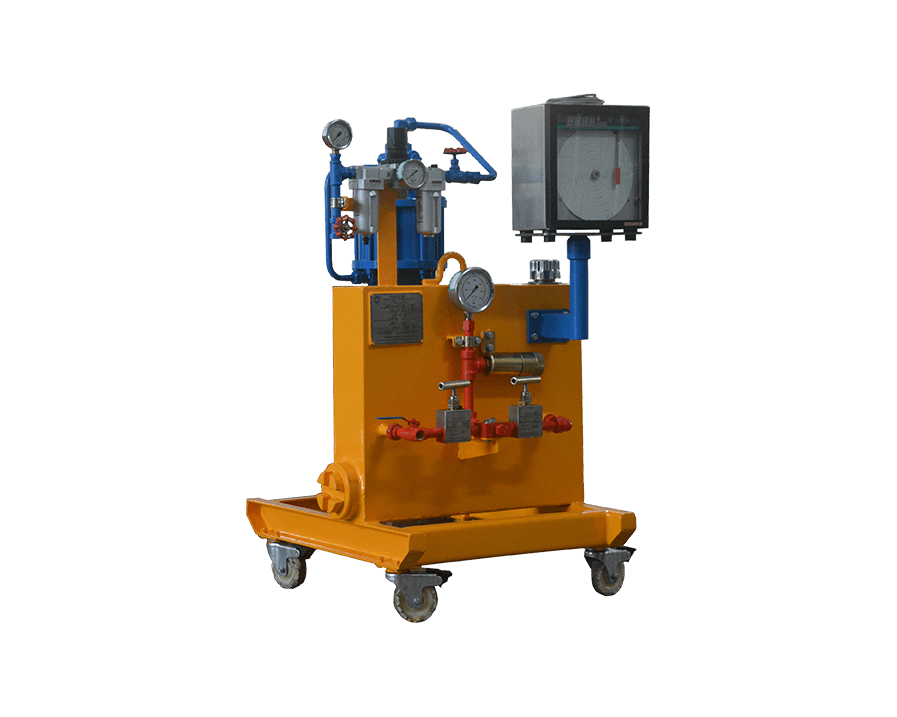
Hydrostatic testing applies controlled fluid pressure to the designated equipment or pressure containing section. Operators monitor pressure readings and inspect accessible connections for leakage or other abnormalities.
Test pressure, pressure stages, hold duration, and acceptance criteria depend on equipment ratings, applicable standards, approved procedures, and regulatory requirements. A single set of pressure values should not be applied to every BOP configuration.
Appropriate high pressure test units help operators apply and monitor pressure during testing. Selection should account for the required pressure range, test volume, connections, and measurement accuracy.
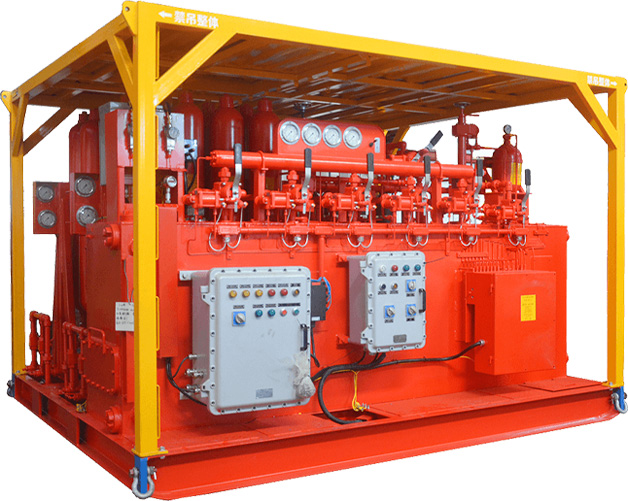
Functional testing confirms that designated preventers and control components operate as intended. Depending on the system design, checks may include opening and closing preventers, verifying valve operation, and evaluating operating response times.
The BOP control system provides the operating interface for relevant preventer functions. Its hydraulic response and control functions should be assessed according to the approved procedure and system specifications.
Shear ram capability requires particular attention. Routine opening and closing checks alone do not demonstrate that a shear ram can cut the designated tubular and achieve the required sealing performance.
Operators should monitor pressure readings throughout the test and inspect accessible seals, connections, and test fittings. Temperature changes, equipment movement, and instrument errors can affect pressure readings, so any variation must be evaluated against the approved acceptance criteria.
Records should identify the equipment tested, procedure, pressure readings, hold periods, observations, defects, and final results. These details support troubleshooting and future maintenance.
API Standard 53 addresses well control equipment systems for drilling wells, including relevant installation and testing requirements. API Specification 16A covers drill through equipment and applicable manufacturing and testing requirements.
The standards have different scopes. Operators should consult the applicable editions alongside equipment specifications, approved procedures, and governing regulations to determine the correct test criteria.
Pressure and functional testing may have different required intervals. Schedules depend on equipment type, operating conditions, jurisdiction, and applicable regulatory provisions.
Testing may also be necessary after installation, repairs, or work affecting pressure containing components. The required checks should be determined from the relevant procedure and regulatory requirements rather than a universal schedule.
Traceable records should demonstrate that required tests were completed and acceptance criteria were met. Documentation should include identified defects, corrective actions, retesting results, and required approvals. Complete records also help operators review equipment history and investigate recurring problems.
Worn sealing elements, damaged connections, incorrect assembly, and debris can compromise pressure containment. Pretest inspections should focus on components relevant to the procedure and the equipment's service history.
If a test fails, operators should follow approved troubleshooting procedures to identify the cause before retesting. Repeated pressurization without investigating the failure can introduce additional risks.
Temperature variations can influence test pressure, while unsuitable gauges, poor calibration, and unstable readings can affect result interpretation. Operators should use appropriately rated, calibrated instruments and evaluate results against the specified acceptance criteria.
Digital data acquisition can improve traceability when supported by the testing equipment. However, recorded data still requires technical review to determine whether the test meets the applicable requirements.
Contaminated hydraulic fluid, restricted lines, worn seals, and malfunctioning valves can interfere with preventer operation. Inspection and maintenance should follow the manufacturer's instructions and the requirements for the specific control system.
For further guidance on test preparation and pressure monitoring, consult DONGSU's guide to high pressure BOP testing.

Operators should stop the test as required by the approved procedure, make the system safe, and investigate the cause. Checks may cover the test setup, instruments, connections, and sealing components. Corrective work and retesting must follow applicable requirements, with results documented.
Pressure testing evaluates containment under specified conditions. Functional testing verifies that designated components and controls operate as intended. Both may be required to assess overall equipment readiness.
Test pressure must be based on applicable standards, equipment ratings, approved procedures, and regulatory requirements. Operators should verify suitability before testing and must not exceed permitted equipment ratings.
Reliable BOP testing depends on suitable equipment and procedures tailored to specific drilling requirements.
If you need help selecting high pressure testing equipment for your application, contact DONGSU to discuss your project needs and equipment requirements.
By continuing to use the site you agree to our privacy policy Terms and Conditions.