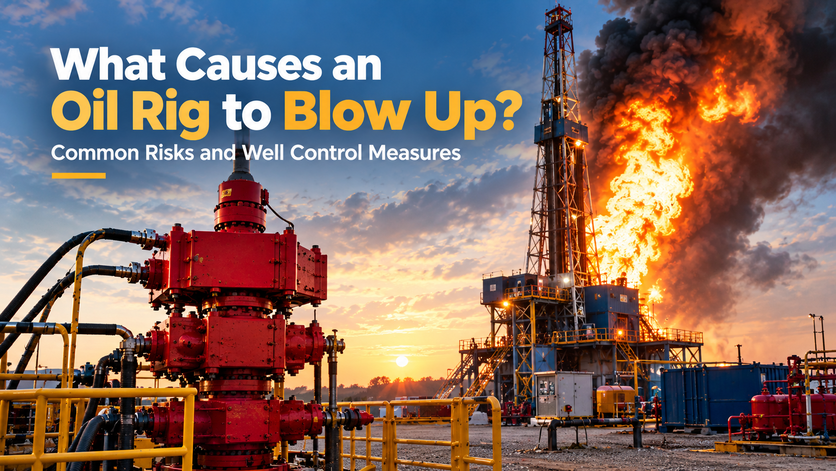
An oil rig explosion can have serious consequences for workers, equipment, and the surrounding environment. Understanding how these incidents develop is essential for drilling operators who need to evaluate operational risks and maintain safe drilling practices.
Drilling mud creates hydrostatic pressure that helps prevent formation fluids from entering the wellbore. If this pressure becomes insufficient to balance formation pressure, oil, gas, or water can enter the well. This event is known as a well kick.
A kick does not automatically lead to a blowout. Early detection and the correct well control response can help contain the influx before it escalates.
If a kick is not controlled, formation fluids may continue entering the well until the well control barriers can no longer contain them. This can develop into a blowout, allowing fluids to escape uncontrollably.
Gas released at the surface may accumulate in poorly ventilated areas and mix with air. If the mixture encounters an ignition source, such as unsuitable electrical equipment or hot surfaces, a fire or explosion may occur.
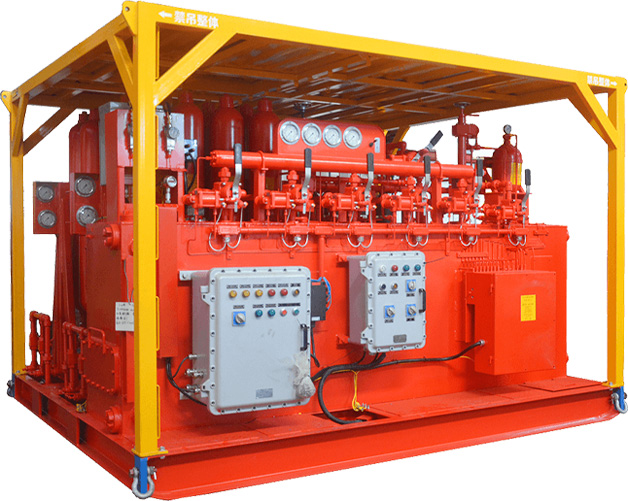
A blowout preventer (BOP) is a critical secondary well control barrier. Its effectiveness depends on the condition of the preventer, its hydraulic control system, and associated components.
Damaged seals, hydraulic leaks, insufficient accumulator pressure, or malfunctioning control valves can interfere with BOP operation. Regular inspection and functional testing help identify these problems before they compromise well control.
Una configuración correcta sistema de control de balanza de pagos provides the hydraulic control needed to operate compatible BOP equipment. The system must be selected, maintained, and tested according to the well conditions and applicable requirements.
Incorrect mud weight, inadequate monitoring of pit volume, and failure to recognize unexpected flow can delay kick detection. Inappropriate pressure management during well control operations may also damage casing or surface equipment.
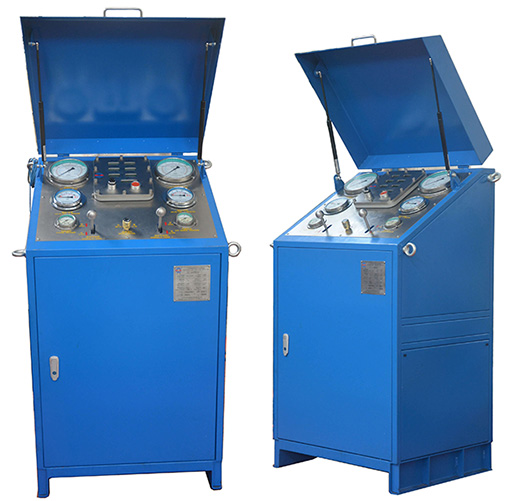
A choke manifold control panel allows operators to control the hydraulic choke manifold and monitor relevant pressure readings. Appropriate panel de control del colector de estrangulamiento equipment supports controlled pressure management during kick and well control operations.
Human factors can turn a manageable kick into a serious incident. Inadequate training, unclear communication, incorrect interpretation of drilling data, and delays in following established procedures can all increase the consequences of an influx.
Drilling crews need clear responsibilities, reliable communication, regular training, and well rehearsed emergency procedures. Equipment alone cannot compensate for delayed decisions or incorrect operating practices.
Crews should continuously monitor drilling indicators, including pit volume, flow rate, drilling fluid returns, and relevant pressure readings. Unexpected changes may indicate an influx or another developing well control problem.
Prompt recognition allows the crew to follow the approved well control procedure before the situation deteriorates. Monitoring systems should be maintained, and readings should be interpreted in the context of actual drilling conditions.
Pressure containing equipment must be inspected and tested according to its design, operating limits, applicable standards, and approved maintenance program. Testing can help identify leaks, damaged seals, and components that do not maintain the required pressure.
Una adecuada unidad de prueba de alta presión can perform hydraulic pressure tests on BOP stacks, choke manifolds, casing heads, valves, and other compatible well control equipment.
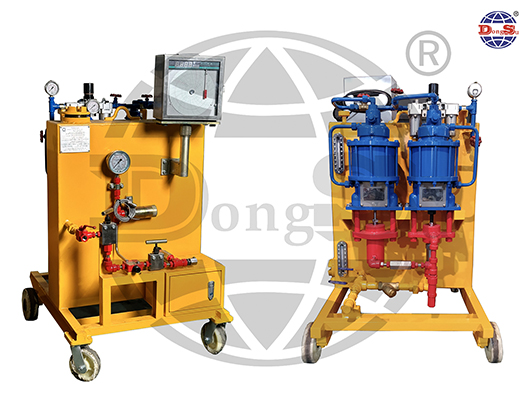
Test pressure, duration, acceptance criteria, and frequency should follow the applicable procedures and equipment specifications. Testing must be conducted with appropriate isolation, barriers, and personnel safety measures.
Preventing a blowout is only one part of explosion prevention. Drilling sites also need gas detection, suitable electrical equipment for hazardous areas, effective ventilation where applicable, ignition source controls, and emergency response arrangements.
If a hydrocarbon release occurs, personnel should follow the site's emergency procedures. Evacuation, shutdown, and isolation actions must be coordinated according to the established response plan rather than improvised during an incident.
A well kick occurs when formation fluids enter the wellbore because formation pressure exceeds the effective pressure provided by the drilling fluid. A blowout occurs when those fluids escape without effective well control. An oil rig explosion occurs when released combustible material ignites under suitable conditions. A blowout does not always result in an explosion.
No. A BOP is a critical well control barrier, but its effectiveness depends on equipment condition, correct operation, pressure ratings, and the overall well control system. Failures involving the preventer, control system, casing, or other well barriers can still create serious risks.
Testing frequency depends on applicable standards, equipment type, operating conditions, manufacturer recommendations, and the approved well control program. Operators should verify the current requirements for their specific equipment and operation rather than relying on a single interval for every installation.
Preventing oil rig explosions requires reliable well control equipment, early kick detection, and effective emergency procedures. For assistance selecting suitable equipment or evaluating pressure testing requirements, Contactar con DONGSU to discuss your drilling application.
Al continuar utilizando el sitio, usted acepta nuestra política de privacidad y nuestros Términos y Condiciones.